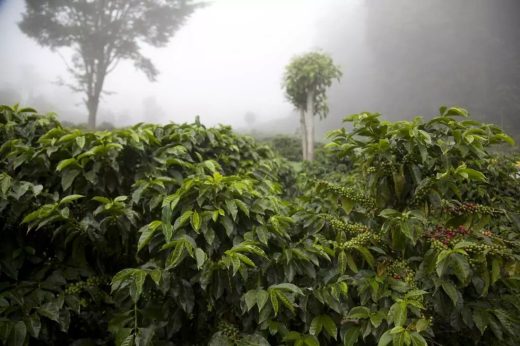
Geisha Coffee Beans Explained: Price, Flavor and Origins
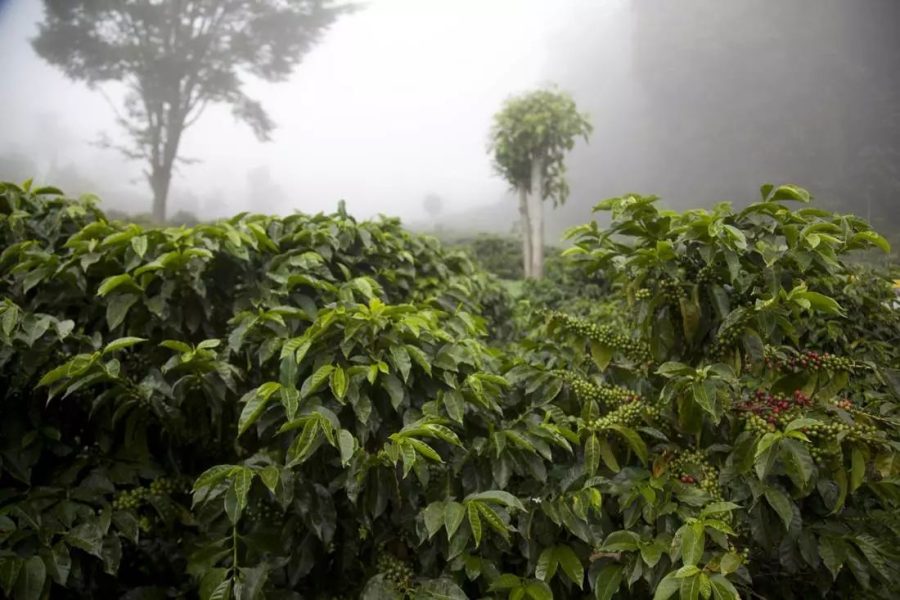
Introduction: From wild Ethiopian coffee forests to Panama auction champions, how did Geisha coffee become a legend in the specialty coffee world? This article explains the history of its variety divergence, the flavor differences between producing regions, and includes authoritative flavor descriptions and market price references to help you identify truly high-quality Geisha coffee beans.
Geisha coffee is commonly called Guixia in China. It belongs to the Ethiopian lineage of Arabica coffee and was first discovered in southwestern Ethiopia, Africa. Although this variety originated in Ethiopia, its astonishing flavor potential was uncovered in Panama, making it an object of pursuit for specialty coffee lovers worldwide.

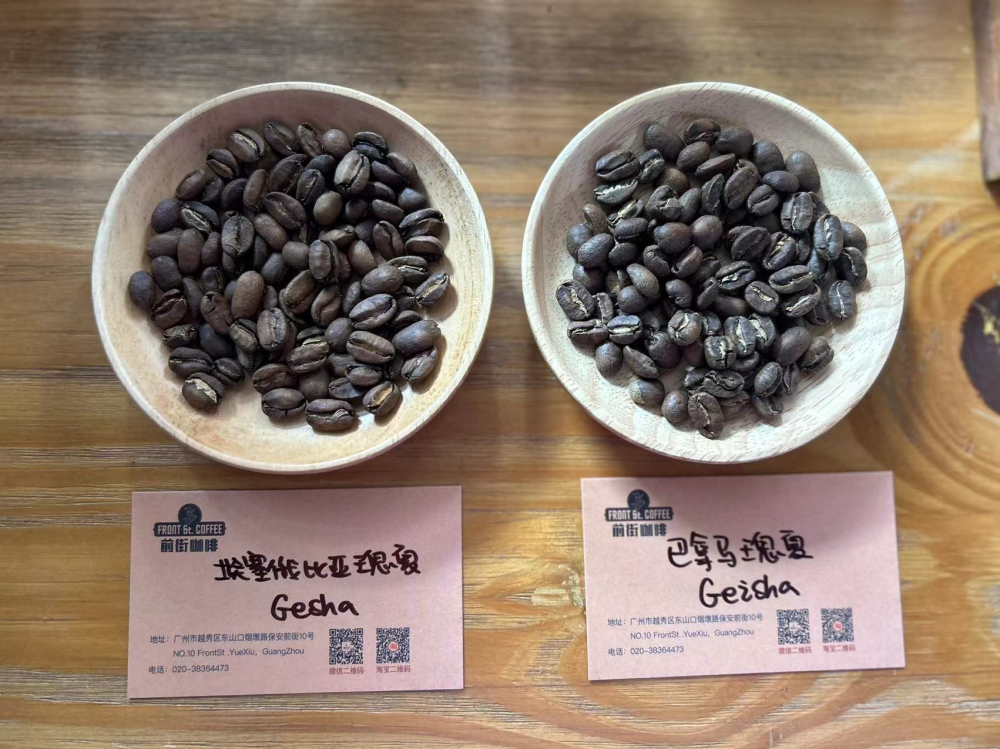
It is worth noting that Geisha grown in Panama and Central/South America and the native Geisha of Ethiopia are actually two different varieties. Comparisons show that Geisha from Central and South American regions typically presents bright fruit acidity, layered floral aromas and distinct caramel sweetness, with a tea-like mouthfeel; while Ethiopian Geisha is dominated by citrus notes, almond flavors and a soft tea sensation, with slightly less overall flavor complexity.

This difference stems from the combined influence of varietal genetics and growing environment. So how exactly was the Geisha variety discovered? And what little-known stories lie behind its naming?
In the 1930s, after World War I ended, East Africa became a colony of European powers. To find coffee varieties suitable for commercial cultivation, the British agricultural official then stationed in Kenya ordered a systematic survey of wild coffee resources in Ethiopia. The task was led by Colonel Richard Whalley of the border garrison, who went deep into the Kaffa forests of southwestern Ethiopia to collect samples.
Near the Kaffa forest, in a pristine woodland called Gesha, the local coffee was famous for its unique flavor. The colonel collected coffee seeds from several areas including this one and sent them back through military channels to research institutions in Kenya and Tanzania for cultivation. In the related records, the collection site of these seeds was misspelled as "Geisha", and this misspelling was eventually used for a century, becoming the common name of the variety.

According to archival records, the collection was carried out three times: the first collection in 1931, and another in 1936 in which several superior lines were selected, including those numbered Geisha1, 9, 11, 123 and others, sent to the Lyamungu research station in Tanzania for further cultivation. The station selected high-quality breeding lines numbered VC496 to VC500 from them.
In 1953, the Tropical Agricultural Research and Higher Education Center (CATIE) in Costa Rica obtained this batch of Geisha seedlings of Ethiopian origin from Tanzania, and in the 1960s introduced some of them, including the number T2722 later used by the famous Hacienda La Esmeralda, to the Boquete region of Panama to combat coffee leaf rust. After decades of natural adaptation and artificial selection, this variety finally made a stunning debut at the 2004 BOP competition.

So what exactly is the relationship between Panama Geisha and Ethiopian Gesha? In fact, they are two varieties with different genetic origins. In official literature, Central and South American producing regions usually use the spelling "Geisha", while the Ethiopian region retains the original spelling "Gesha". This letter difference is not a typo but an intentional distinction.
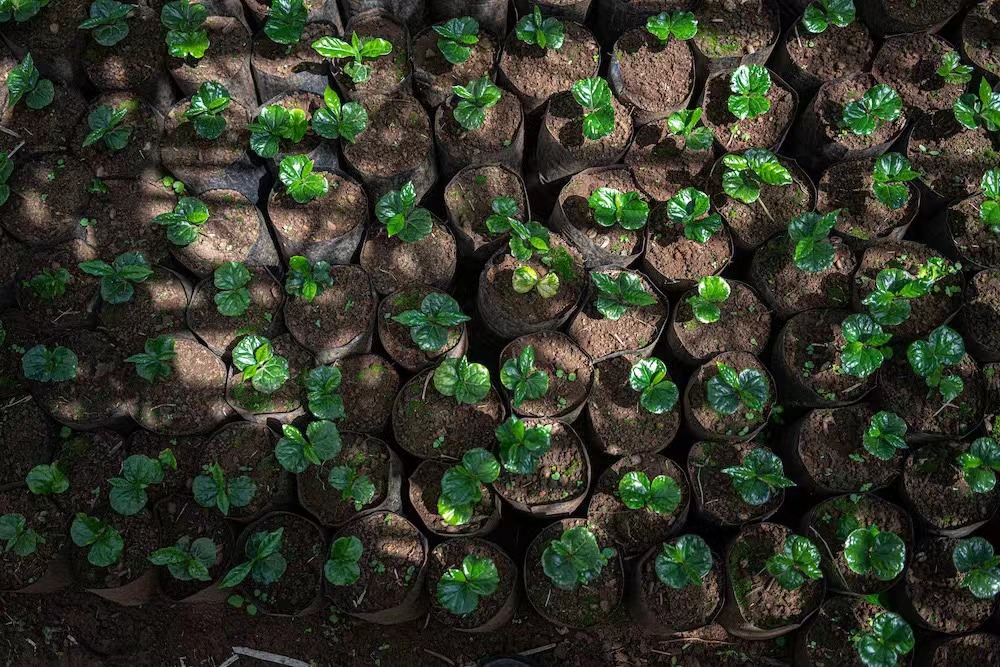
The rise to fame of Panama Geisha began with the seedlings introduced by CATIE. After decades of natural selection and artificial cultivation, farms such as Hacienda La Esmeralda finally uncovered its unique flavor potential through meticulous cultivation and processing. Number T2722 in particular has become a star variety in today's international auction market.
By contrast, Ethiopia's local Gesha variety did not receive renewed attention until the past decade or so. In order to find alternative varieties with flavors similar to Panama Geisha, researchers returned to the original Gesha forest and, through field selection and flavor comparison, rediscovered wild Geisha germplasm resources with unique flavors.

Among them, the most representative Ethiopian Gesha Village Gold Label uses the Gesha1931 variety from the Oma region and often carries berry, chamomile, muskmelon and tea notes; the Red Label uses the Geri Gesha variety and is known for citrus, plum, cream and tropical fruit aromas; Chaka blends multiple lines, presenting layers of lemon, berry, honey and oolong tea flavors.

On the Panama side, Hacienda La Esmeralda's natural-process Red Label comes from the Mario plot and is known for full berry sweetness and acidity, rose floral aroma, tropical fermented fragrance and a black tea finish; the washed Green Label shows white floral notes such as jasmine and ginger lily, fresh citrus acidity and a honey aftertaste; Geisha from the Boquete region features citrus acidity, roasted sweet potato sweetness and a green tea-like finish.

As for price, winning lots in international specialty coffee competitions or limited Geisha from renowned estates can reach several hundred US dollars per pound of green beans, and retail roasted beans usually cost around 150 to 300 RMB per cup, depending on roast level, processing method and origin. Entry-level Geisha or blend products are relatively affordable, but their flavor performance is usually rather mediocre.

Overall, whether you choose native Ethiopian Gesha or Panama Geisha, only by understanding its varietal origin, processing method and flavor characteristics can you better appreciate the unique charm of this "queen of the coffee world".