Yunnan Baoshan Coffee Brands and Lincang Natural-Process Pour-Over Guide
Introduction: As an important region for Chinese specialty coffee, Yunnan has in recent years, thanks to its unique geography and climate, produced many high-quality coffee beans. This article takes an in-depth look at the growing characteristics of major Yunnan regions such as Baoshan, focuses on the flavor profile of natural-process medium-roast coffee beans from Lincang, and offers professional pour-over parameters and practical brewing advice to help coffee lovers better experience the unique appeal of Yunnan coffee.
When coffee is mentioned, many people first think of the Blue Mountain coffee that appeared in Hong Kong dramas of the 1980s and 1990s. Coffee culture was not yet widespread at that time, but the satisfaction adults showed when tasting coffee in films and television planted seeds of curiosity about coffee in many people. Over time, the domestic coffee market has gradually matured, and consumers' tastes have shifted from simply chasing foreign brands to paying attention to quality domestic regions—especially the rise of Yunnan arabica, which is winning over more and more coffee lovers.
With its exceptional natural conditions, Yunnan has become an important specialty coffee region in China. It has high forest coverage, fertile soil, a mild climate year-round, and lies near the Tropic of Cancer at moderate altitude, providing an ideal environment for coffee growing. Besides the well-known Pu'er, Baoshan, Dehong, Lincang and other areas are also important coffee-growing regions in Yunnan; the microclimate and soil differences of each region create a diversity of coffee flavors.
Among Yunnan's many coffee regions, Pu'er Municipality grows coffee in nine counties and districts including Simao, Ning'er and Mojiang, with coffee farms mostly distributed at altitudes of 700 to 1,600 meters and an average annual temperature of 17 to 20 degrees Celsius, suitable for coffee tree growth. Baoshan Municipality's Longyang, Longling and three other counties and districts mainly grow Baoshan arabica, with growing areas at 1,000 to 1,500 meters and an average annual temperature of about 21 degrees Celsius; the Lujiang coffee produced here received a first-class rating on the London market as early as the late 1950s, a clear indication of its quality.
Dehong is one of the earliest regions in China to introduce coffee; arabica was brought in from Myanmar as early as 1914, and over years of development a unique growing tradition has formed. The area has no severe cold in winter and no extreme heat in summer, a marked day-night temperature difference, plus fertile soil and ample rainfall, allowing coffee cherries to accumulate abundant sugars and flavor compounds. Lincang Municipality, with its location near Myanmar, significant day-night temperature difference, ample rainfall and mild climate, has become a hotspot for coffee companies, and some plantations have begun trying coffee varieties with regional character.

Most Yunnan coffee beans on the market today are of the Catimor variety, a relatively young hybrid within the arabica branch that contains some robusta genes. Early Yunnan plantings were mainly Typica, one of the oldest and most elegant-flavored varieties in the arabica family. However, because Catimor performs better against leaf rust and in yield—its yield can be three times that of Typica—many farmers have gradually switched to Catimor for economic reasons. The introduction of robusta genes, though, also brings flavor challenges, and some Catimor coffees may carry a noticeably bitter finish.
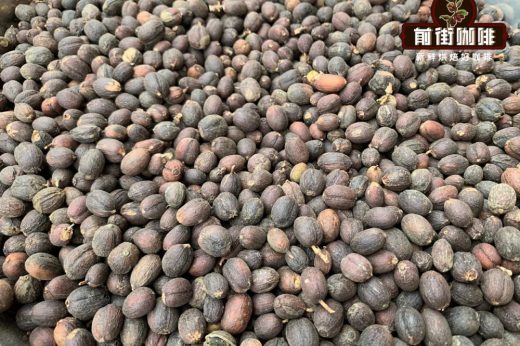
In Yunnan's coffee growing and processing, some producers insist on traditional methods to express the regional character of the coffee. Among these, the natural process is a classic method that highlights fruity flavors: fully ripe red coffee cherries are spread evenly on drying beds and slowly dried under natural sunlight. This process requires strict control of humidity and temperature and regular turning of the cherries to avoid over-fermentation or mold; it usually takes longer but plays an important role in preserving the coffee's natural sweetness and complex flavors.

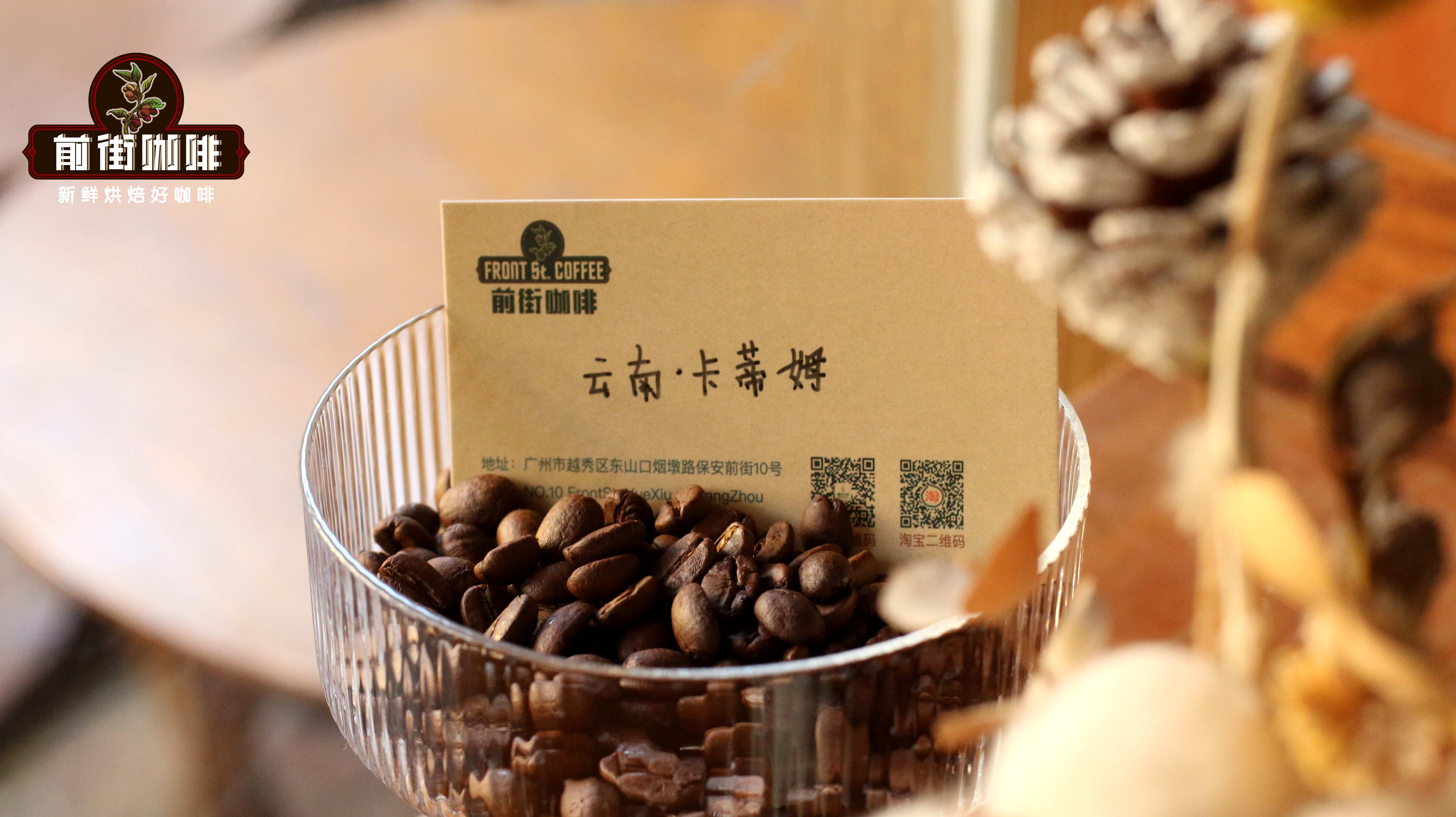
Taking the Lincang region of Yunnan as an example, beans from some high-altitude plantations show a distinctive regional flavor. These coffee trees grow at about 1,300 meters, use the Typica variety and are processed by the traditional natural method; the resulting beans have a pronounced dried-fruit sweetness, a soft plum acidity and a rich nutty aroma. The finish hints faintly at the sweetness of brown sugar and the depth of black tea, with an overall balanced and layered flavor.
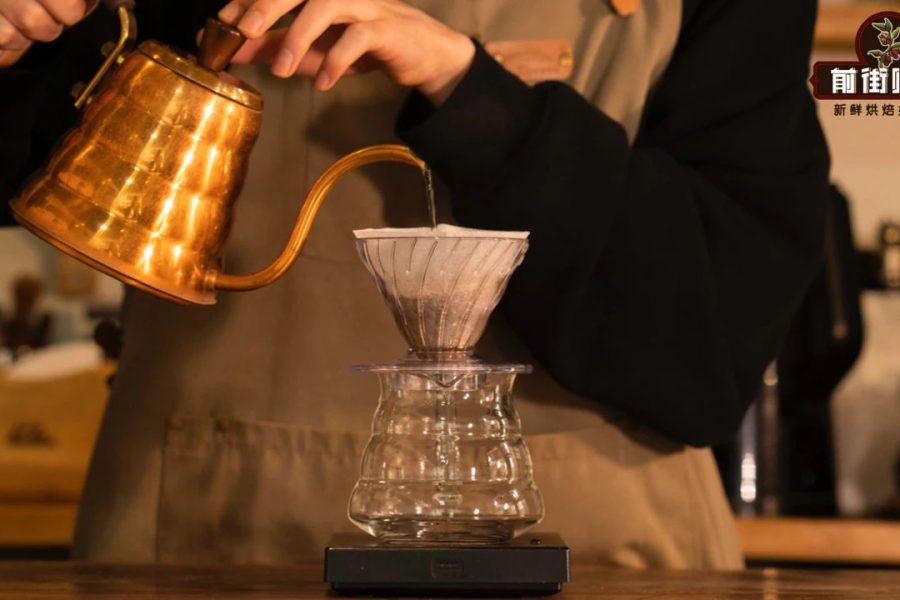
To fully experience the flavor of such natural-process medium-roast beans, sensible brewing parameters are essential. Freshly roasted beans are recommended (ideally within 5 days of roasting), with a resting period of 4 to 7 days to let internal gases escape and reach peak flavor. A Hario V60 dripper can be used, with water at about 90 degrees Celsius, about 15 grams of coffee and a coffee-to-water ratio of 1:15. In practice, first pour 30 grams of water for a 30-second bloom, then slowly pour in a thin stream in circles from the center to 125 grams, and when the water level is about to expose the bed, continue pouring to 225 grams, keeping the whole extraction to about 2 minutes.

For grind size, a medium-coarse grind with 75% passing a Chinese standard No. 20 sieve is recommended, similar to granulated sugar. Note that once beans are ground, flavor compounds volatilize faster, so the best flavor is usually found in grinding and brewing fresh. If using pre-ground coffee, use it as soon as possible and store it sealed to slow flavor loss.
The diversity and distinctive flavors of Yunnan coffee are gradually changing consumers' perceptions of domestic coffee. From Baoshan's geographical indication product to Lincang's high-altitude plantations, each region is working through meticulous management and traditional methods to present Yunnan coffee at its best. Whether you prefer the fruity sweetness of natural-process beans or the balanced taste of a medium roast, consumers can find a Yunnan coffee to suit their personal taste.