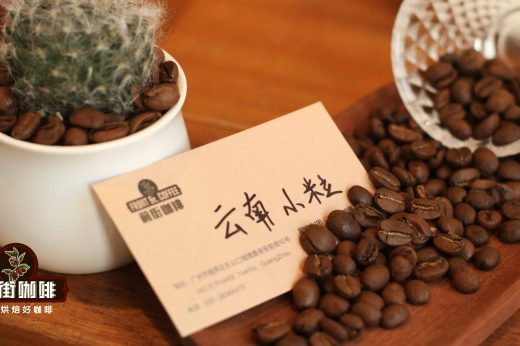
Yunnan Small-Bean Coffee Guide: Flavor, Terroir, and Pour-Over Parameters
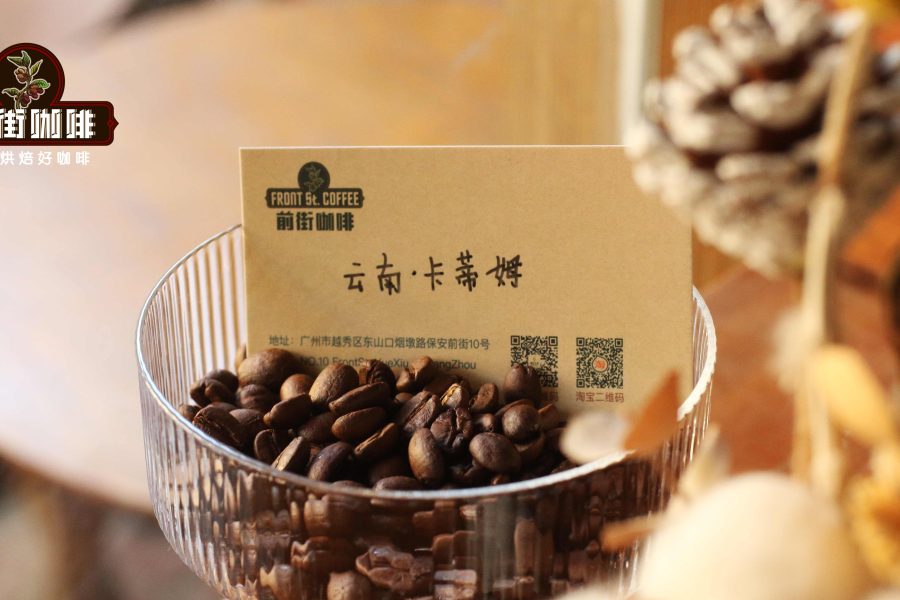
Introduction: Yunnan small-bean coffee, with its unique terroir and quality arabica varieties, has become a representative of domestic specialty coffee. This article examines the terroir conditions of Yunnan's core growing regions, the origins of the small-bean coffee variety, compares common processing methods, and provides professional pour-over recipes and flavor descriptions, helping you fully understand the key points of selecting and brewing this high-value specialty coffee bean.

As a representative of China's domestic coffee, Yunnan small-bean coffee has drawn increasing attention from coffee enthusiasts in recent years. Its distinctive regional flavor and relatively high value for money have led more and more consumers to try domestic specialty coffee. Starting from the terroir and climate of Yunnan's main growing regions, this article explains the varietal background of "small-bean" coffee, introduces differences among mainstream processing methods, and offers practical pour-over suggestions and flavor references to help you better understand and brew this distinctive coffee.

Coffee cultivation in Yunnan is concentrated mainly in the mountainous areas of the western Yunnan plateau, and the Baoshan region is one of the earliest areas to develop coffee cultivation. Centered on Lujiangba, it is not only one of the country's largest coffee-growing bases but also home to XINZHAI Village, known as "China's No. 1 Coffee Village." The area is frost-free year-round, with a warm, humid climate; the dry-hot river valley where Lujiangba lies, in particular, has a pronounced day-night temperature difference that helps coffee cherries ripen slowly and accumulate richer flavor compounds. In addition, the region's fertile soil and moderate rainfall ensure the coffee trees' water needs while avoiding the risk of disease caused by excessive moisture. Thanks to these natural conditions, coffee beans from Baoshan usually have less pulp and a fresh flavor with natural sweetness.

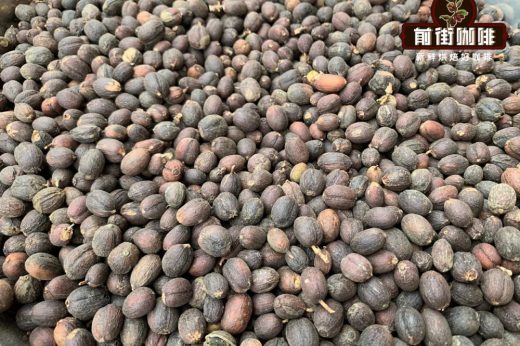
Coffee in Yunnan is mostly grown on hillsides with considerable elevation changes, making mechanical harvesting difficult, so picking is still mainly done by hand. The main harvest season runs from November to March of the following year, when coffee cherries gradually turn red and ripen; farmers move through the hills, selecting ripe fruit to pick. In terms of varieties, "small bean" generally refers to arabica coffee beans that are relatively small in size, in sharp contrast to the medium-bean robusta grown in places such as Hainan. The Typica and Bourbon varieties introduced early in Yunnan are both classic arabicas; Typica is known for its elegant aroma and complex flavor, but because of its low yield and susceptibility to leaf rust, farmers gradually abandoned it. The widely planted Catimor, though classified as arabica, carries 25% robusta genes; it is highly disease-resistant and high-yielding, but its flavor often has a fairly pronounced "herbal" or "earthy" base note that must be refined through careful processing and roasting.

As for the processing methods of Yunnan small-bean coffee, because most growing regions lack expensive processing equipment, washed and natural methods are the two most commonly used. Washing removes the mucilage layer, effectively reducing defect rates and making the coffee cleaner and fresher while reducing off-flavors such as earthiness. Natural processing, by contrast, can give the coffee richer sweetness and complexity, but it places higher demands on weather conditions and operator skill. For enthusiasts who want to experience the original flavor of Yunnan coffee, the washed method is usually the safer choice, as it preserves regional character while offering a more consistent drinking experience.

Yunnan small-bean coffee is mostly roasted to a medium level, a strategy aimed at balancing the multiple layers of acidity, sweetness, and bitterness. Medium roasting brings out roasted aromas such as chocolate and nuts while retaining some fruit acidity and floral-fruity notes, making the overall mouthfeel rounder and more harmonious. In practice, such coffees often display diverse flavors including nuts, herbs, sweet potato, melon, brown sugar, cream, plum, and caramel, with a clean finish and a slight sweetness.

For home brewing, a V60 dripper with a medium-fine grind and moderate water temperature is recommended to highlight the balanced mouthfeel of Yunnan small-bean coffee. Specifically, use 15 grams of coffee grounds, extract with 90°C water and a medium-fine grind with 75% passing a No. 20 sieve, and set the water-to-coffee ratio at 1:15. A three-stage pour is recommended: first bloom with a small amount of hot water (about twice the weight of the coffee grounds) for 30 seconds, then pour in a thin stream in circles from the center outward until reaching 125 grams and pause briefly; when the bed has dropped to the middle of the dripper, continue pouring to 225 grams to complete extraction, with a total time of about 2 minutes. These parameters help balance acidity and bitterness and present a clear, bright regional flavor.

For users who prefer darker roasts, the water temperature can be raised to 87–88°C with a medium-coarse grind to highlight body and low acidity; if using light-roasted beans, such as certain high-altitude hard beans, the temperature can be raised to 91–93°C with a medium-fine grind to further bring out floral, fruity, and citrus notes. Note that the optimal parameter combinations differ with the processing method and roast level of the beans, so it is advisable to adjust flexibly according to the actual drinking experience.

Overall, Yunnan small-bean coffee, with its unique terroir, gradually optimized variety selection, and diverse processing methods, has become a highly representative category of domestic coffee. Whether you are a pour-over enthusiast seeking a balanced cup or a coffee newcomer hoping to explore the potential of domestic specialty coffee, you might start with a carefully roasted Yunnan small-bean coffee and experience the distinctive charm this land gives to coffee.