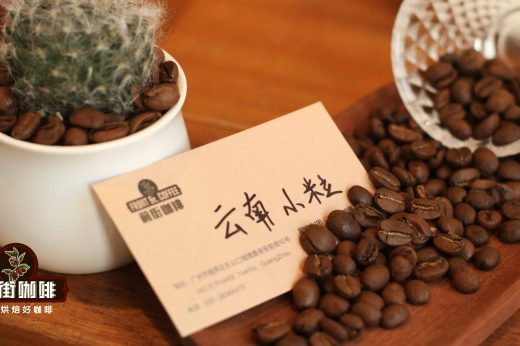
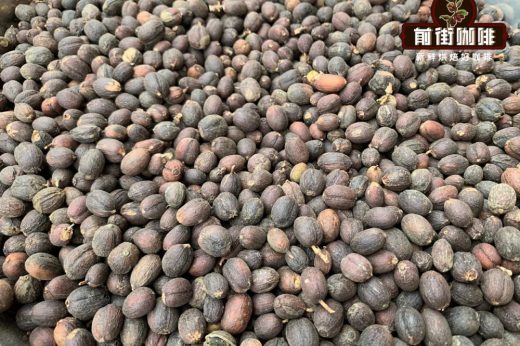
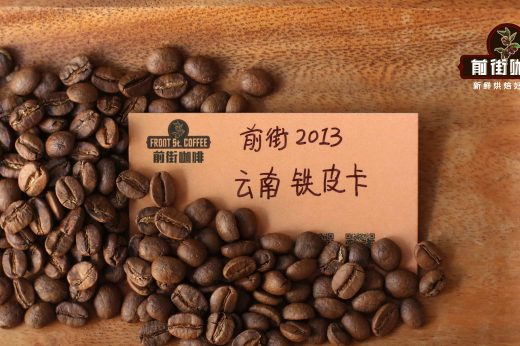
Yunnan's Four Coffee Regions: Baoshan, Pu'er, Lincang and Dehong Flavor and Brand Guide
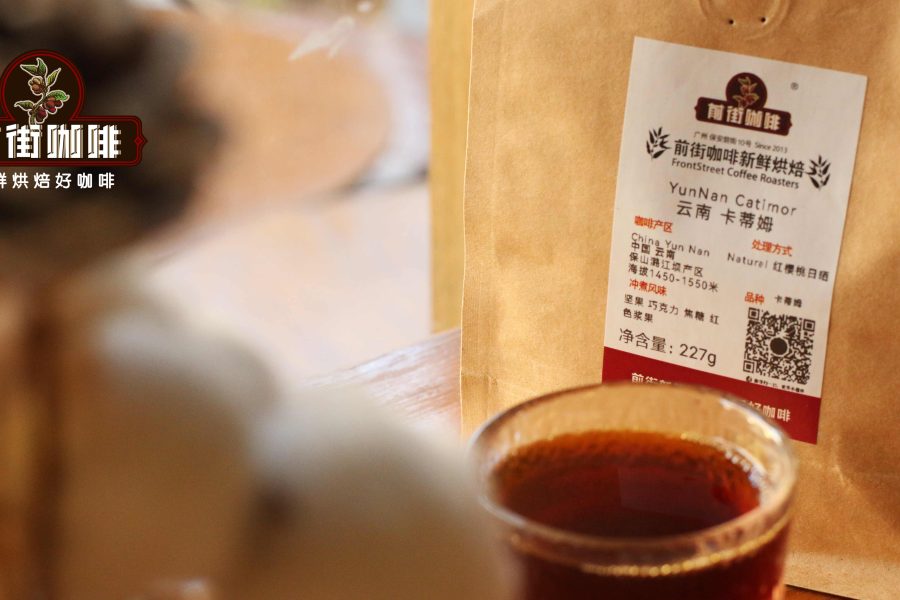
Introduction: Yunnan is China's largest coffee-producing region, and its specialty coffee is attracting attention from the global market. This article takes an in-depth look at the geographical advantages and representative varieties of four core regions—Baoshan, Pu'er, Lincang and Dehong—compares the flavor differences between Typica and Catimor, explains the key points of washed processing, and provides professional brewing parameters. Whether you are a coffee enthusiast or a professional, you will find practical guidance on choosing regions and assessing quality.
In 1904, the French missionary Tian Deneng introduced Yunnan's first coffee trees from Vietnam; they took root in Zhukula Village, Dali, beginning the history of coffee cultivation in China. After more than a century of development, Yunnan, with its unique geographical conditions, has become an important specialty coffee region globally.

Yunnan's coffee-growing areas are concentrated in the southwest between 21° and 25° north latitude, right within the world's coffee golden belt—between the Tropics of Cancer and Capricorn. Elevations in this area are generally 1,000–2,000 meters, and the terrain is mostly mountainous; hillside planting aids drainage, and fertile red soil combined with average annual temperatures of 18–25°C and a day-night temperature difference of more than 10°C gives the coffee beans bright acidity and rich floral and fruity aromas.

The Lincang region borders Myanmar to the west, and the Lancang River flows through it. Elevations of 1,300–1,800 meters bring distinct dry and wet seasons. The rainy season, lasting 3–4 months from June each year, provides ample water, and with more than 12 hours of sunshine per day on average, the coffee cherries accumulate sufficient sugar. The region's typical Typica variety, after natural processing, often shows a complex flavor of blueberry and caramel, with fuller body than flatland regions.
Baoshan, the earliest area in Yunnan to grow coffee commercially, has a history dating back to the 1950s. The Bourbon variant brought back from Southeast Asia by the patriotic overseas Chinese Liang Jinshan was improved over decades to form a unique small-bean coffee system. Baoshan small-bean coffee, which received national geographical indication certification in 2010, is known for being "strong without bitterness, acidic without astringency." Washed processing better highlights its nutty notes and soft citrus acidity, and its crema thickness can reach 1.5 times that of a Ristretto-class espresso.
Pu'er city actually accounts for more than 40% of Yunnan's coffee-planting area. It is not only a famous tea hometown but also an important origin of Arabica beans worldwide. The agricultural technical service center set up by Nestlé in the 1990s, through breeding disease-resistant varieties and promoting standardized cultivation, reduced the defect rate of local coffee beans from 8% in 1995 to below 2% today. The Catimor variety from the Pu'er region, after honey processing, often has layers of dark chocolate and tropical fruit.
Dehong Prefecture is known as "China's Coffee Hometown," and the Ruili Coffee Germplasm Repository of its Department of Agriculture preserves more than 200 native coffee species. The Typica introduced in 1951 remains a characteristic variety of the region. Compared with ordinary commercial beans, traditionally grown Dehong Typica has a longer black tea finish. The region's distinctive red acidic soil increases the conversion efficiency of malic acid in the coffee beans by about 15%.
 The Catimor variety currently mainly planted in Yunnan has inherited disease-resistance genes from Robusta, but hybridization has significantly improved its flavor. Its early-maturing characteristic (harvested 30 days earlier than Typica) and yield of more than 2 tons per hectare have made it the first choice for coffee farmers. Notably, Catimor's Brazilian lineage gives it a natural nutty base, and with good processing it can show caramel sweetness.
The reason washed processing is widely used in Yunnan is closely related to the climate: A rainy season with average humidity above 70% makes sun-drying prone to mold, while the washed process, through the three-stage flow of depulping and fermentation, washing with clean water, and drying on raised beds, can reliably keep moisture content within the safe range of 11–12%. Professional processing plants usually use mountain spring water to reduce mineral interference, and fermentation time is precisely controlled at 18–24 hours to balance acidity.
For home brewing, a V60 dripper with water at 91–93°C is recommended. Specific parameters: grind size equivalent to fine granulated sugar (80% passing a No. 20 sieve), 15 grams of coffee to 225 milliliters of water, using a three-pour method: "30 grams of water for a 30-second bloom → pour in the center to 125 grams → pause → final pour of 100 grams." Keep the water flow vertical downward for the first two pours to avoid disturbing the coffee bed.
 The flavor trajectory of high-quality Yunnan small-bean coffee is usually: obvious roasted almond and brown sugar sweetness on entry, plum-like fruit acidity emerging in the medium-temperature range (60–50°C), and a full finish reminiscent of Darjeeling black tea. For storage, use aluminum foil bags with one-way degassing valves, keep them away from light at 15–20°C, and drink within 30 days of opening to maintain the best flavor.