Yunnan Typica Espresso Brewing Guide and Regional Bean Profile
Introduction: As an important coffee-growing region in China, Yunnan's Typica variety is difficult to cultivate but has a unique and elegant flavor. This article not only details the history of Typica coffee from its introduction to Yunnan to the present day, but also analyzes in depth the growing environments and flavor differences between Baoshan and Lincang. More importantly, we will teach you step by step how to use Typica beans to make a balanced, full-bodied espresso, and share pour-over extraction parameter suggestions, so you can experience the charm of Yunnan specialty coffee at home.
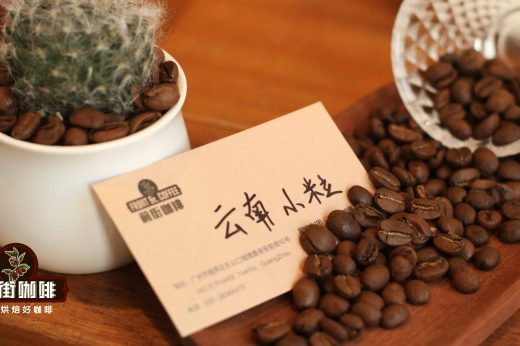
When people mention Yunnan coffee, many first think of “small-bean coffee.” As early as the beginning of the 20th century, Yunnan began growing coffee, and the most representative small-bean variety is Typica. This ancient Arabica variety not only gave rise to world-famous coffees such as Blue Mountain and Hawaiian Kona, but also took root in Yunnan, developing a distinctive regional flavor.

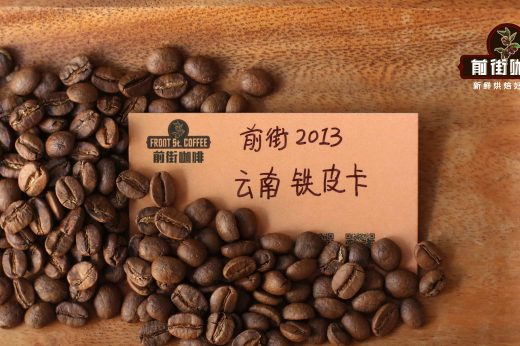
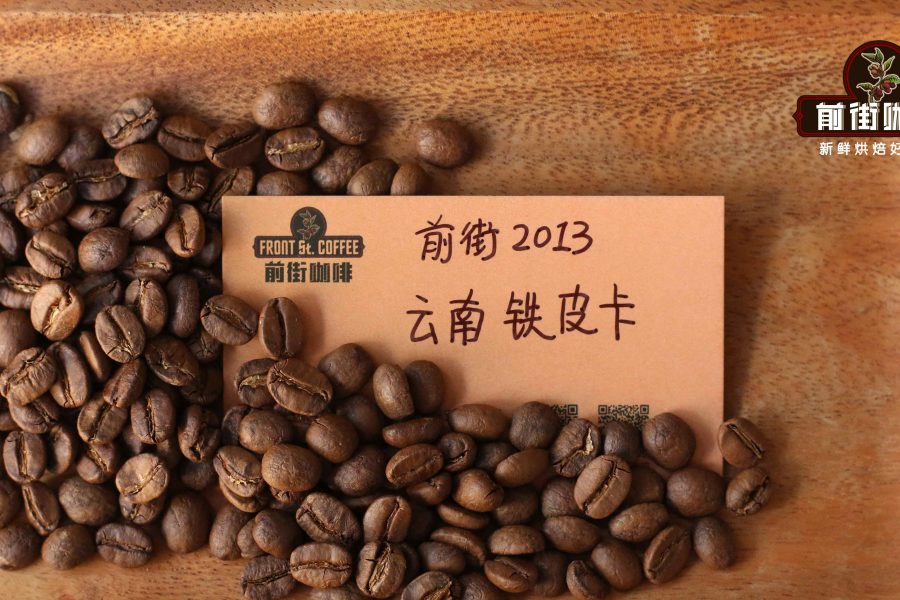
Typica was first introduced to Yunnan in 1904 by a French missionary, and was initially trial-planted successfully in Zhukula Village in the Nujiang River basin. Before the 1980s, the coffee varieties planted on a large scale in Yunnan were mainly the two classic small-bean varieties, Typica and Bourbon. They differ significantly in flavor and plant size from the medium-bean Robusta widely grown in Hainan and other places. Typica is known for its delicate mouthfeel and rich fruity acidity, but it also has the drawbacks of a tall tree, low yield, and weak disease resistance. It is especially sensitive to leaf rust and coffee berry disease, so field management requirements are very high.

For this reason, although Typica has excellent flavor potential, many Yunnan coffee farmers have gradually switched to higher-yielding varieties such as Catimor after weighing economic returns and disease resistance. However, some growers still insist on planting this classic variety, purely in pursuit of more elegant and complex flavor layers. For example, in Baoshan and Lincang in Yunnan, quite a few farms have retained the tradition of growing Typica.

Baoshan is one of the earliest regions in China to develop coffee cultivation, and Xinzhai Village in Lujiangba enjoys the reputation of “China's No. 1 Coffee Village.” There is no frost all year round, sunshine is abundant, and rainfall and soil conditions are excellent, providing an ideal growing environment for coffee. Local coffee trees grow vigorously and the fruit develops fully; the coffee beans have less pulp, and the flavor tends toward clean sweetness and softness. The main harvest period is from November to March of the following year, when the coffee cherries gradually turn red and farmers are busy harvesting on the hills, creating a unique rural scene.
In terms of processing methods, constrained by terrain and infrastructure, most Yunnan coffee is still primarily washed and natural. The washed method relies heavily on water resources but can bring higher cleanliness, making it especially suitable for areas with a distinct rainy season like Baoshan. Take washed Baoshan Typica as an example: after pulping, fermentation, washing, and drying, it clearly displays Typica's distinctive fresh floral aroma and rounded fruity acidity, with a smooth mouthfeel and a finish with bright citrus and stone-fruit notes.

Now let's look at Lincang, a region with more diverse geography and climate. Influenced by warm, moist air currents from the Indian Ocean, it has distinct dry and wet seasons and a moderate average annual temperature; some areas even have no frost all year round, making it an ideal growing belt for Arabica coffee. Although Typica has low yields and is difficult to manage here, some farmers still insist on growing it. For example, some plots have carried out small-scale trial planting of Typica, and after 5 to 6 years of patient cultivation, they only achieved their first harvest in recent years.
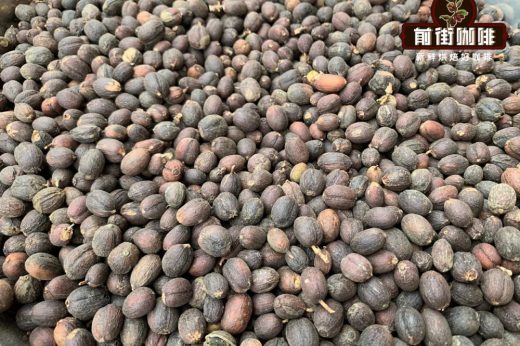
Typica from the Lincang region mostly uses the natural process. This method is highly dependent on the weather, but if controlled properly, it can give the coffee richer fermented aromas and sweetness. During the natural process, the coffee fruit slowly dehydrates in the sun, and the mucilage layer fully integrates with the seed, bringing richer caramel, berry, and black tea flavors, a full-bodied mouthfeel, and prominent sweetness.


In terms of roasting, to balance the existing acidity and body of Yunnan Typica, a medium roast is recommended. This better highlights its balanced character, without being overly sour or astringent, and without masking its delicate flavor through over-roasting. For everyday brewing, whether pour-over or espresso extraction, it can show its clearly layered characteristics.
For pour-over, a V60 dripper is recommended, with a medium-fine grind (similar to fine sugar granules), water temperature controlled at 90–93°C, a recommended coffee-to-water ratio of 1:15–1:16, and extraction time kept at 2.5 to 3 minutes. These parameters help highlight Typica's flavor layers and avoid over-extraction that brings out bitterness.

So, is Yunnan Typica suitable for espresso? The answer is yes. Especially medium-roasted Typica not only performs elegantly as a single-origin coffee, but is also excellent as an SOE (single-origin espresso). Its crema is moderate, with chocolate, nut, and slight caramel aromas on the palate, balanced acidity and bitterness, and an overall mild yet full-bodied mouthfeel.
If you want to make a cup of Yunnan Typica espresso at home, it is recommended to use a commercial or home espresso machine (pressure ≥9 bar) with a double basket (about 18–20 g of grounds). A coffee-to-water ratio of 1:2 (i.e., 20 g of grounds extracting 40 g of coffee liquid) is recommended, with extraction time best controlled at 28–30 seconds. Too short an extraction leads to a thin flavor, while too long easily produces burnt bitterness.


In practice, first dry the basket, grind an appropriate amount of coffee and distribute it evenly, then tamp the puck firmly with a tamper to ensure uniform density. Before extraction, you can run a little hot water through the group head to flush out residual coffee grounds and preheat it. Then insert the portafilter and start extraction; when the coffee liquid reaches 40 g at around 30 seconds, stop—and a cup of balanced Yunnan Typica espresso is complete.


This espresso is soft on the palate, with chocolate and nut aromas interwoven, delicate rather than sharp acidity, and a clean finish with a faint black tea sensation. If you want to further enrich the drinking experience, you can add hot water at a 1:4 ratio to make an Americano; the fruit aromas of plum and dried apricot become more obvious, and the overall flavor is softer and smoother, suitable for everyday enjoyment.