Yunnan Coffee Farming Guide: Varieties, Flavors, and Pour-Over Parameters
Introduction: Explore the farming history, key variety characteristics, and terroir of coffee beans from Yunnan, China, with a full breakdown of the flavor performance and cultivation challenges of mainstream varieties such as Catimor. The article analyzes in detail how washed and natural processing methods affect flavor and offers professional pour-over parameter suggestions to help you better experience Yunnan coffee's nutty, chocolate, and brown sugar base notes.
The story of Chinese coffee begins, to a large extent, in Yunnan. As early as 1904, a French missionary planted the first coffee tree in Yunnan, opening a century of coffee cultivation in China. By the 1950s and 1960s, to meet demand from the Soviet Union and Eastern European markets, China's first arabica coffee export base was established in Lujiangba, Yunnan. But in the early years, limited by cultivation techniques, processing, and roasting standards, Yunnan coffee was long exported at low prices as commercial beans or instant coffee material.

The real turning point came in 1988, when international coffee companies began investing in Yunnan, especially introducing the disease-resistant, high-yielding Catimor variety; only then did the region's coffee industry gradually move toward scale and standardization. In 1992, a dedicated coffee agriculture department was established to guide farmers in scientific cultivation and to purchase at international market prices. During the same period, the Yunnan government included coffee cultivation in key biological resource projects, driving rapid growth in planted area and output.
Catimor (7963) is currently the main coffee variety in Yunnan, accounting for more than 90 percent. It is a hybrid developed by the Portuguese Tropical Research Institute, combining the rust-resistant genes of Timor with the dwarf characteristics of Caturra, while carrying about one-quarter Robusta ancestry. This coffee tree is compact and short, with dense branching and short internodes between fruit, and it not only has strong rust resistance but also high yield and relatively simple management, making it widely popular among farmers.Note, however, that the Robusta ancestry also makes Catimor prone to heavier bitterness and an earthy, musty sensation, and its flavor is often described as "low" or even with an "unclean finish."

Although Catimor has many cultivation advantages, its arabica genes account for only 75 percent, which also limits its performance in flavor finesse. With the spread of specialty coffee concepts, more and more growers are trying to introduce new varieties, such as the famous Geisha, in an attempt to raise the overall flavor complexity of Yunnan coffee. At the same time, traditional varieties such as Typica and Bourbon are also returning on a small scale, injecting new vitality into the diversity of Yunnan coffee.
Typica is a traditional arabica variety with elegant flavor and bright acidity, often with fruit-toned character, but it is difficult to grow, low-yielding, weak in disease resistance, and demanding in terms of altitude and management. In places such as Lincang, Yunnan, some growers have successfully cultivated Typica coffee with a unique flavor through high-altitude planting and meticulous management, offering another possibility for specialty Yunnan beans.

When discussing the flavor of Yunnan coffee, its processing methods cannot be ignored. Most Yunnan coffee on the market currently uses the economical and practical washed and natural methods. Washed processing removes the skin and pulp, ferments to remove the mucilage, then washes and dries, which can effectively improve the coffee's cleanliness and consistency and reduce the defect rate. The general process includes: removing the pulp, placing the beans in a fermentation tank, using microbial action to break down the mucilage, then rinsing several times with clean water, and finally drying in the sun for 1 to 2 weeks.
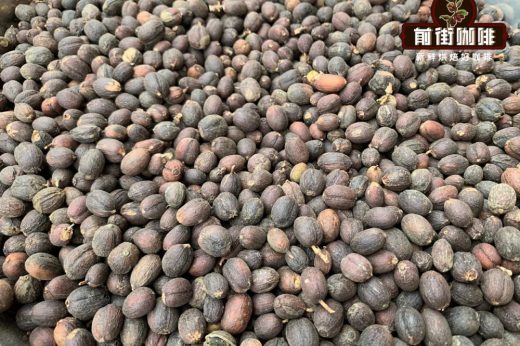
By comparison, natural processing is more traditional: the whole coffee cherry with its parchment is dried directly in the sun, retaining more fruit sugar and thereby giving the coffee a richer sweetness and complex fruit tones. But this method is highly dependent on the weather, and improper handling can easily produce overripe or fermented off-flavors. Therefore, natural processing usually requires more meticulous manual management and turning.

For ordinary consumers who want to experience the real flavor of Yunnan coffee, it is worth starting with beans from the two conventional processing methods, washed and natural. Washed Yunnan beans often show clear nutty, herbal, and brown sugar aromas, with moderate acidity and a clean, balanced body; natural beans, because more sugar is retained, often bring chocolate, tropical fruit, and even black-tea-like finish, with higher body and rich layers.
In terms of roast level, medium roast is a common way to showcase the characteristics of Yunnan coffee. This roast level can bring out the roasted aromas of chocolate and nuts while retaining some acidity and fruit tones, with overall flavor harmony and high cleanliness. Many coffee lovers report that Yunnan beans under medium roast present surprising brown sugar, nuts, and faint fruit acidity, suitable for daily drinking and single-origin pour-over.

So how can you better brew Yunnan coffee at home? Below is a set of practice-verified pour-over parameter suggestions, suitable for most washed or natural Yunnan arabica coffees:
Dripper: Hario V60
Dose: 15 g
Water temperature: 90°C
Grind: 75% passing a No. 20 sieve (medium-fine grind, close to the texture of fine granulated sugar)
Water-to-coffee ratio: 1:15
Brewing method: three-pour technique
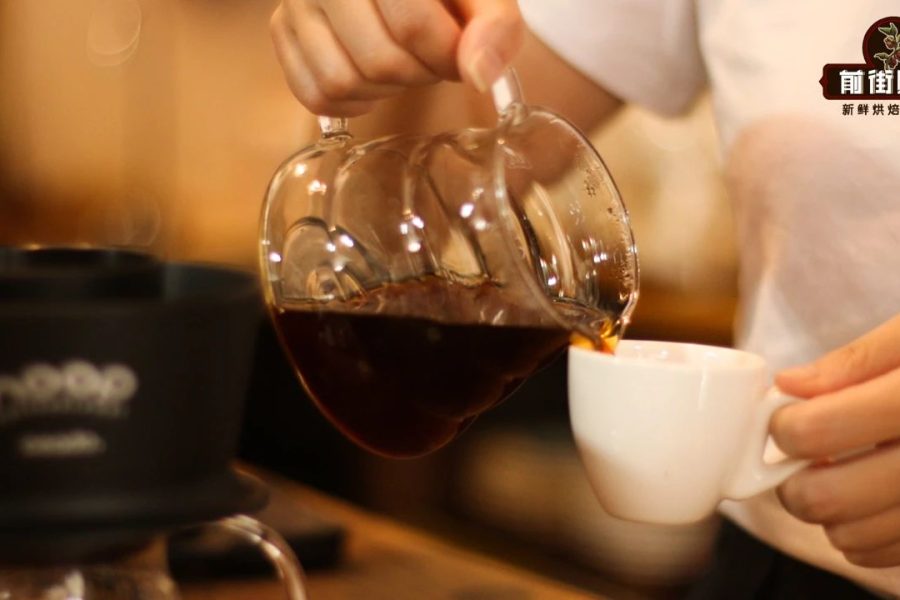
Specifically: first use twice the dose of water (about 30 g) for a 30-second bloom to awaken the coffee grounds; then pour in a small stream in circles from the inside out to 125 g, pausing briefly; finally continue pouring to 225 g, with total extraction time controlled at about 2 minutes. These parameters help balance acidity, sweetness, and bitterness with extraction efficiency, fully bringing out Yunnan coffee's nutty and caramel base notes.

In terms of flavor performance, washed Yunnan everyday beans often have obvious nutty aromas, with clear herbal and chocolate flavors on the palate, accompanied by moderate caramel sweetness and a slight plum-like acidity, clean and balanced overall with a refreshing finish. Naturally processed Typica beans, meanwhile, show caramel and citrus in the dry aroma, with chocolate and berry tones prominent at high temperatures, gradually revealing plum acidity and a soft finish of black tea and sugarcane as they cool, with medium-high body and rich layer changes.
Overall, Yunnan coffee is gradually shedding its past single impression as "commercial beans" and, driven by variety improvement, processing upgrades, and deeper market recognition, showing ever richer flavor possibilities. Whether you seek balanced, clean medium-roast washed beans or love the full sweetness of natural flavors, Yunnan can offer quality choices with regional character. By understanding varieties, terroir, and processing methods, you will be able to taste more accurately the unique charm of every coffee bean produced on this land.