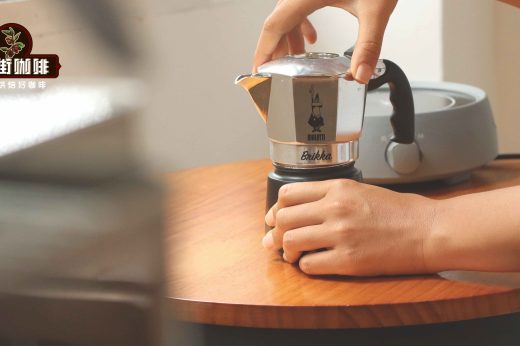
Moka Pot Safety Guide: Aluminum Material and Cleaning Care
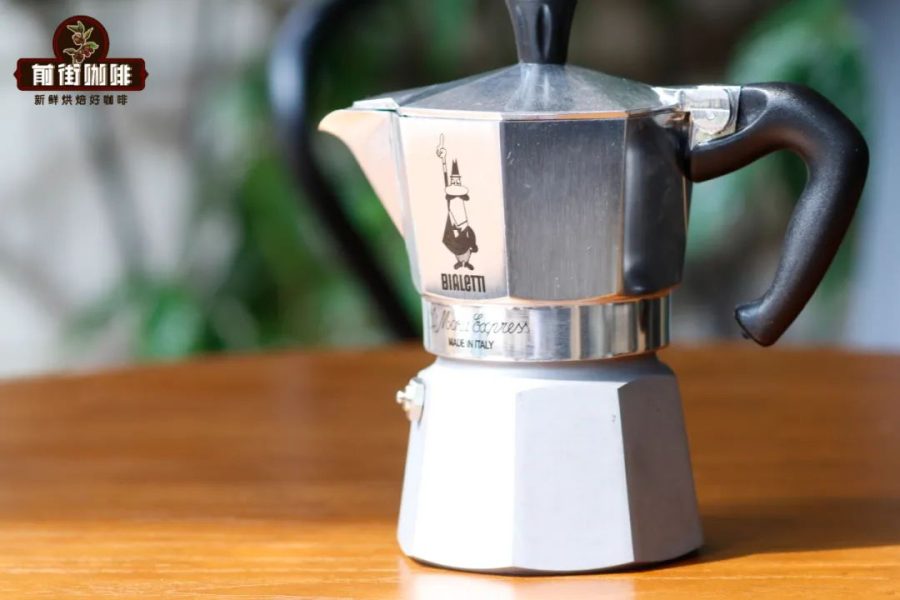
Introduction: As a classic choice among home espresso coffee equipment, the moka pot's aluminum material safety and daily maintenance often spark discussion. This article takes an in-depth look at the safety controversy surrounding aluminum moka pots, explains correct operating parameters and cleaning taboos in detail, and offers practical advice covering the whole process from first use to long-term maintenance, helping coffee lovers use this traditional device safely and efficiently.
Controversy over the moka pot has never ceased, and the most common question is: is this device, which has been around for nearly a century, really safe? The health risks and usage rules of aluminum models in particular are a focus for beginners. In fact, as long as you master the correct methods of use and maintenance techniques, the moka pot not only consistently produces quality coffee, but its classic design remains the first choice of many coffee lovers to this day.

Concerns about moka pot safety mainly come from two aspects: the operating threshold and material characteristics. Its precise extraction depends on the coordination of multiple parameters—from grind size (medium-fine recommended, close to the texture of granulated sugar), dose filling (usually 18-20 grams per cup), heat control (medium-low heat to maintain a steady boil) to heating duration (turn off the heat about 30 seconds after the water starts rising); a mistake at any step can lead to over-extraction or splattering. More importantly, if the traditional aluminum body is exposed to acidic substances for a long time or cleaned improperly, its service life may be affected.

The core structure of a moka pot consists of an aluminum alloy/stainless steel body, a middle filter basket and a sealing system. The lower chamber holds water and is fitted with a pressure relief valve (usually located at the bottom edge, with a safety threshold of about 1-1.5 atmospheres); when heated, the water temperature rises to boiling point and produces steam pressure, pushing hot water through the layer of coffee grounds in the basket, and after filtration the coffee is extracted into the upper container. This process requires strict coordination of all parts: the coffee layer should be loosely piled (about 1-1.5 cm high, avoid tamping which blocks water flow), the filter screen and basket should fit tightly, and when screwing the upper and lower chambers together, make sure the gasket is intact.

Regarding safety concerns about aluminum material, modern processes have improved corrosion resistance through anodization, but daily use still requires attention: before using a new pot for the first time, it is recommended to boil it empty twice (add clean water to below the pressure relief valve, boil and discard to remove processing residue); after each use, clean it promptly (do not soak or use a dishwasher, to prevent high temperature and pressure from damaging the sealing structure); when not in use for a long time, thoroughly dry the inner wall of the lower chamber (it can be inverted to dry to avoid oxidation). Special reminder: aluminum models are only compatible with open flame (for gas stoves/induction cookers, confirm the base diameter fits) and electric ceramic stoves, while stainless steel models support multiple heat sources such as induction cookers.

Key details in operation directly affect safety and extraction results. When adding water, the level must be below the lower edge of the pressure relief valve (usually about 1 cm from the bottom mark); too much water will cause loss of pressure control; after filling with coffee grounds, there is no need to tamp hard (a naturally loose state is best; if using a filter paper, cut it slightly smaller than the basket opening); during heating, it is recommended to observe throughout (preheat on low heat at first, then switch to medium-low heat to maintain a steady boil once obvious bubbles appear in the lower chamber); the timing to turn off the heat is when the flow of coffee slows to a drip interval of 3-5 seconds. If liquid splatters (commonly caused by too-high heat, insufficient coffee dose or a blocked pressure relief valve), immediately move the heat source away and check the basket assembly.

Daily maintenance should focus on the sealing system and cleaning taboos. If the silicone gasket at the connection between the upper and lower chambers (service life about 6-12 months; with frequent use, replacement every six months is recommended) becomes hard or cracked, replace it promptly, otherwise there is a risk of steam leakage or water leakage. When cleaning, do not use steel wool or strongly alkaline cleaners (they damage the oxide layer on the aluminum surface); it is recommended to wipe the inner wall with a soft cloth and thoroughly rinse residue from the filter screen; for stubborn coffee stains, soak in warm water with a neutral detergent (no more than 5 minutes), but must avoid the moving parts of the pressure relief valve. Special note: assemble and store only after all parts are completely dry (especially the inner wall of the lower chamber); a damp environment easily causes metal corrosion.

Solutions to common problems: if the body is stuck when unscrewing (mostly due to thermal expansion and contraction or the gasket sticking), pour a small amount of hot water into the upper chamber, let it sit for 1-2 minutes, then shake gently to loosen; if the coffee flows too fast (thin taste), check whether the dose is insufficient or the grind is too coarse (adjust to a particle size slightly finer than pour-over); if the pressure relief valve keeps venting and makes a sharp noise (over-pressure warning), immediately turn off the heat and investigate the cause—commonly due to an overly dense coffee layer, water exceeding the limit or incorrect assembly of parts. New users are advised to first practice with clean water to familiarize themselves with the process, then proceed to actual extraction once proficient.

When choosing the material for an aluminum moka pot, consider the usage scenario: traditional aluminum alloy models conduct heat quickly and retain heat well (suitable for users seeking fast extraction), but avoid storing acidic drinks (such as lemon juice) for long periods to prevent corrosion; upgraded anodized aluminum or stainless steel models are more corrosion-resistant (the latter is compatible with induction cookers, suitable for modern kitchens). Regardless of material, regularly checking the function of the pressure relief valve (press to test elasticity) and the condition of the gasket (stretch to check elasticity) are necessary maintenance steps.

Final reminder: moka pots must never be put in a dishwasher (high temperature and pressure will damage the sealing structure and oxide layer), and chlorine-containing cleaners are not recommended (they damage the metal surface). After each use, disassemble and clean promptly and dry thoroughly (especially the water accumulation area at the bottom of the lower chamber); when storing, keep the body parts separated for ventilation and moisture protection. Master these basic rules, and this classic device will continue to stably produce richly layered espresso—full-bodied crema and balanced acidity and bitterness are the best reward for correct operation.