Home Coffee Brewing Guide: Choosing Gear and Techniques from Pour-Over to Moka Pot
Introduction: Making coffee at home is not complicated; the key is finding the brewing method and gear that suit you. This article covers pour-over coffee, AeroPress, moka pot and other common home coffee equipment, including their features, who they suit, how to use them and key parameters, helping coffee lovers choose the most suitable brewing tool based on personal taste preference and budget, and improve the home coffee experience.
Brewing coffee at home is actually quite simple; the choice depends on personal needs and budget. Coffee is like tea: many people go to cafés just to enjoy the experience of a good cup of coffee. So, do you need to buy expensive equipment to make coffee at home? And how should you choose a brewing method that suits you? Below are several common and practical home coffee brewing methods for your reference.

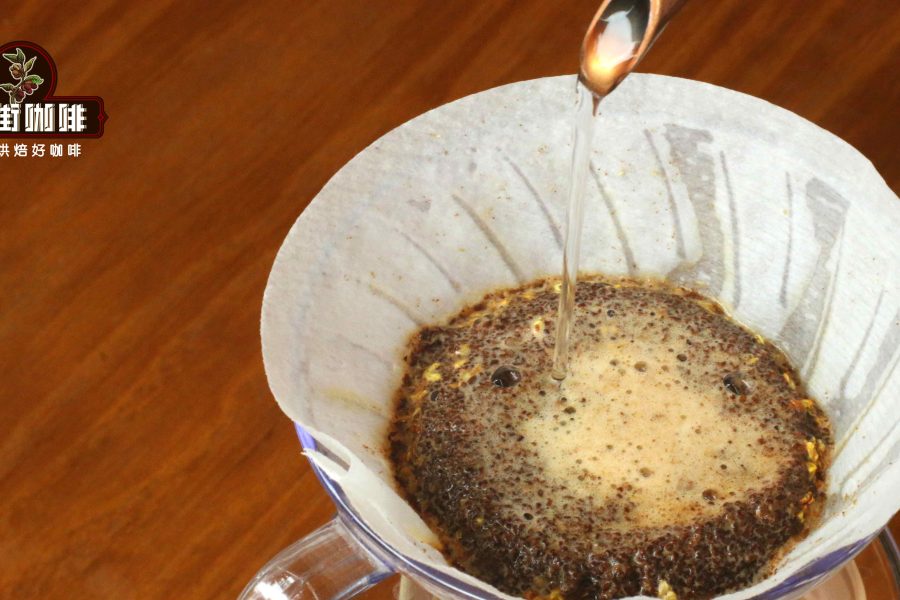
Pour-over coffee suits users who like exploring coffee flavors. Basic equipment includes a pour-over kettle, a dripper and filter paper. The charm of pour-over is that each brew can present slightly different flavors, and this variation is exactly what many coffee lovers enjoy. Many factors affect pour-over flavor, including water temperature, bloom time, water flow control, pouring technique, number of pours and coffee grind size.

The Hario V60 dripper is one of the most popular pour-over devices; its name comes from its 60-degree cone shape. It delivers a clean cup with rich layers of flavor. By adjusting water temperature, grind size and coffee-to-water ratio, you can bring out different coffee flavors. When trying it for the first time, it is recommended to use medium-fine ground coffee, bloom for 30 seconds first, then pour with a thin stream in concentric circles.

The Kalita cake-style dripper looks similar to the V60 but works differently. Its bottom is flat with three small round holes; this design lets water pass through the coffee bed more evenly, making extraction more stable and the cup more balanced. The method is similar to the V60: medium-fine grind is also recommended, and after blooming, pour in concentric circles, keeping the stream thickness consistent and avoiding washing the edge of the filter paper. You can also try multi-stage pouring, that is, pouring small amounts several times to extract.

The Clever Dripper suits people who want convenience and a balanced cup. This device, designed in Taiwan, borrows the principle of brewing tea; it is simple to use and has fewer variables. To use it, first put filter paper in the dripper and preheat the cup, then add coffee grounds; you can choose whether to rinse the filter paper. Pour in a small amount of hot water and stir or not; after blooming, pour hot water according to the coffee-to-water ratio, with no restriction on pouring method. It is recommended to give it a brief stir after pouring to help extraction. When the set steeping time is reached, place the dripper on the server and the internal valve opens automatically to complete extraction. For this device, medium-roast coffee beans often bring a more balanced cup.


The AeroPress is a brewing device born for convenience, with many ways to use it, and it suits users who like full-bodied coffee. It has its own world brewing championship, encouraging users to explore different brewing methods. Coffee made with the AeroPress is usually rich in mouthfeel and has a low barrier to entry, making it suitable for beginners. Positive pressure and inverted pressure are the two main brewing methods; the inverted method better preserves the integrity of the coffee flavors. A water temperature of 84±2°C is recommended for a softer, more balanced cup, avoiding over-extraction or under-extraction caused by water that is too hot or too cold.

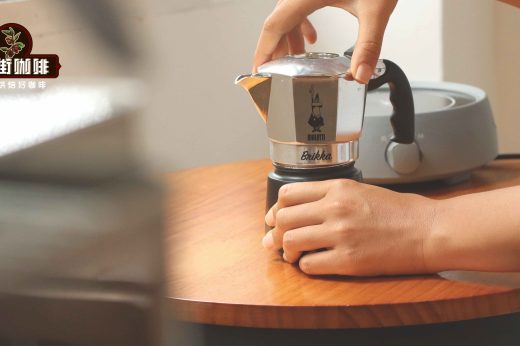
The moka pot suits users who are passionate about espresso. Also called an "Italian drip pot," it has a three-layer internal structure: the bottom holds water, the middle holds coffee grounds, and the top collects the coffee liquid. When heated, steam from the water in the bottom creates pressure that pushes water through the coffee bed in the middle, finally forming espresso in the top. Although the pressure (1.5–3 atmospheres) is far lower than that of a professional espresso machine (9 atmospheres), it can still make relatively aromatic, rich coffee with crema. Freshly roasted medium-to-dark roast coffee beans work better and better preserve the coffee crema.

The French press is arguably the simplest and easiest-to-use coffee brewing device, widely known and affordable. Its large capacity suits making coffee for several people; the cup is full-bodied but cannot fully express the delicate flavors of the coffee beans. The French press uses immersion extraction and does not filter out coffee oils the way pour-over filter paper does, so the aroma and mouthfeel are distinctive. Operation is extremely simple: just mix coffee grounds with hot water, steep for a while, then press down the filter screen.

The Chemex suits users who pursue an artistic style or want to brew coffee for several people at once. Its feature is the specially made thick filter paper, which retains more coffee oils. The Chemex's deep V shape makes consistency harder to control; medium-coarse ground coffee is recommended. Although the flavor is clean and bright, some practice is needed to achieve stable extraction. A large Chemex can brew up to 8 servings at a time.

For home coffee machines, the market is mainly divided into fully automatic espresso, semi-automatic espresso, drip (fully automatic American) and capsule coffee machines. Fully automatic espresso machines are convenient to operate, completing everything from grinding to extraction with one button; they suit users who pursue convenience, but their structure is complex and maintenance costs are relatively high. Semi-automatic espresso machines require manual dosing and tamping, placing slightly higher demands on the operator, but extraction control is more precise, making them suitable for users who want to experience the coffee-making process in depth. It is recommended to use dedicated espresso beans, such as products with nut, cocoa, chocolate or caramel flavors, for the best taste.

Drip coffee machines, also called fully automatic American coffee machines, are the simplest to operate, completing brewing in 5–8 minutes, and suit home and office use. However, because they use normal-pressure hot water, they cannot extract coffee oils, so the coffee is lower in strength; they suit users who do not seek espresso but are not satisfied with instant coffee.