Iced Americano Guide: Ice-to-Water Ratio, Acidity, and Flavor Balance
Introduction: Iced americano is a daily go-to for coffee lovers, both refreshing and invigorating, and suited to many occasions. But how should the ratio of ice to water be set? Why does some iced americano taste sour? How can it be adjusted to achieve a balanced taste? This article explains the science behind iced americano ratios and the causes of flavor differences, and offers practical brewing advice to help you find your ideal taste.
Whether in blistering summer or freezing winter, iced americano wins over many coffee lovers with its refreshing taste. Compared with hot drinks, iced americano not only quickly awakens the mind but also brings a unique cooling experience. Yet many people trying it for the first time are often puzzled by the amount of ice, the ratio of water, and the occasional sourness.

As for the origin of iced americano, the widely circulated story relates to the experience of American soldiers in Europe during World War II. At the time, U.S. soldiers, unaccustomed to the intensity of southern European dark-roast coffee, diluted espresso with water, and locals jokingly called this mild drink "americano." However, some documented sources show that as early as the late 1920s, the writer Somerset Maugham mentioned americano in his works, though without detailing how it was made.

Although some espresso lovers consider americano too mild in flavor, it remains an indispensable part of coffee culture. Traditionally, coffee is often associated with bitterness, but some consumers find that certain iced americanos taste sour on the palate, and even suspect the coffee is of poor quality.
In fact, this sourness usually stems from the characteristics of the coffee beans themselves, not from spoilage. The beans' growing region, processing method and roast level all significantly affect the final flavor. For example, dark-roasted beans, having undergone prolonged high-temperature processing, have more prominent bitterness and caramel notes while masking the original regional flavors; medium-light roasts better preserve fruity notes, sweet-tartness and elegant aromas.

With the rise of the specialty coffee wave, more and more cafés are using medium-light roasted beans or single-origin beans (such as SOE) to make americano. Single-origin beans, with their distinct flavors, may highlight the unique acidity of a specific region—Ethiopian beans, for instance, often carry bright citrus or berry-like acidity. In addition, if a blend includes coffee beans from African regions, the iced americano may also taste sour. So there is no need to be surprised by a sour iced americano; it is often simply the nature of the bean variety.
It is worth noting that sourness is not a defect. High-quality acidity is like the fresh tartness of fruit, fundamentally different from the sharp, throat-stinging acidity of poor quality. To judge whether the sourness is normal, observe whether it comes with layered complexity and balance.

So how much ice and water should an iced americano have? Taking a common recipe as an example, it is recommended to use larger ice cubes (about 25 grams each), mixing espresso : ice : water in a ratio of 1:2.5:3. This ratio slows the melting of the ice, preventing premature dilution that would weaken the strength, while ensuring a refreshing and harmonious flavor on the palate. If using ordinary ice cubes from a standard ice tray (about 10-15 grams each), you can appropriately increase the number to a total weight of 50-60 grams, while adjusting the water to 35-40 milliliters.

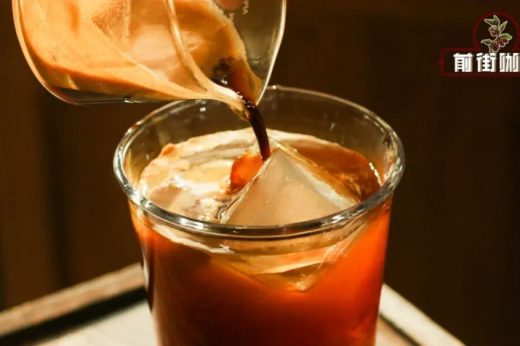
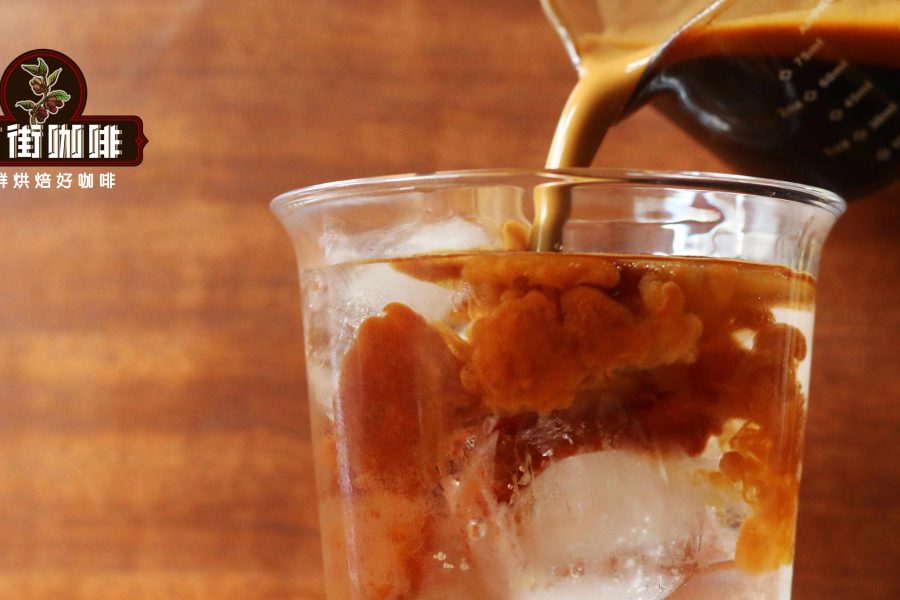
When making it, note: first put enough ice in the glass, then pour in the espresso (usually about 30-40 milliliters for a single shot), and finally slowly add cold water to the target mark. For a more consistent taste, you can chill the water to 4-8°C in advance to reduce the effect of overall temperature fluctuations on flavor.
As for flavor preferences, iced americano made with dark-roasted beans usually has pronounced bitterness, with caramel, chocolate or nutty notes, suited to those who prefer a rich taste; versions made with medium-light roasts or single-origin beans have more prominent acidity, with citrus, berry or floral notes, suited to those who like fresh flavors. If trying a sour iced americano for the first time, it is advisable to take a small sip first to sense whether its acidity is clean and bright, then decide whether to continue enjoying it.

In summary, the charm of iced americano lies in its flexible adjustment. By controlling ice cube size, ratios and bean selection, everyone can find the perfect balance that suits their personal taste. Next time you order or make one yourself, try fine-tuning the parameters according to the suggestions above and explore your ideal iced americano flavor.