Hot, Iced, or Room Temperature Americano: Flavor Comparison and Brewing Guide
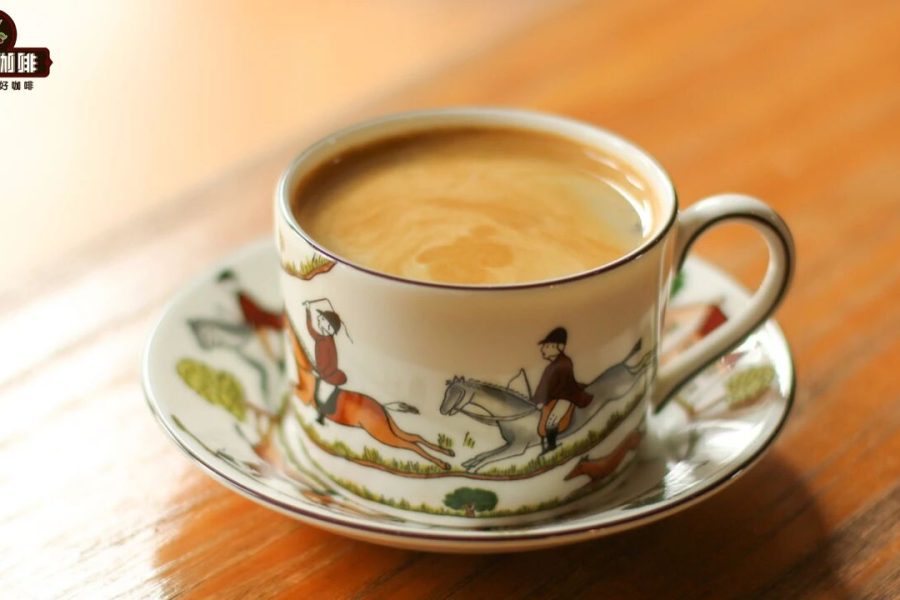
Introduction: Coffee enthusiasts have long debated whether Americano should be enjoyed hot, iced, or at room temperature. In fact, each of these three methods has its own unique flavor expression. Through practical comparison, this article analyzes in detail the differences in aroma, acidity, and body among iced Americano, hot Americano, and room-temperature Americano, and provides the golden ratio of espresso to water along with key brewing points, helping you make the best choice based on your taste preferences.
Should Americano be drunk hot, iced, or at room temperature? This question, like whether tofu pudding should be sweet or savory, always sparks heated discussions among coffee lovers. Some think that since it's all just espresso plus water, how much difference can temperature make? In reality, at different temperatures, the aroma release, acidity balance, and mouthfeel of Americano all show noticeable differences.

The origin of Americano can be traced back to World War II. At that time, American soldiers stationed in Europe found it hard to accept the high concentration and bitterness of espresso, so they began diluting it with water, gradually forming what we know today as Americano. This drinking method was initially to cater to American consumers' taste preferences, and later, as Italian coffee culture spread globally, Americano—espresso diluted with water—also became widespread.
In terms of preparation, the traditional method is to first pour espresso into the cup, then add water. This order is not only for convenience but also implies the idea of "diluting strong coffee." Modern Americano preparation no longer strictly follows this order, but the flavor expression at different temperatures is still worth exploring in depth.

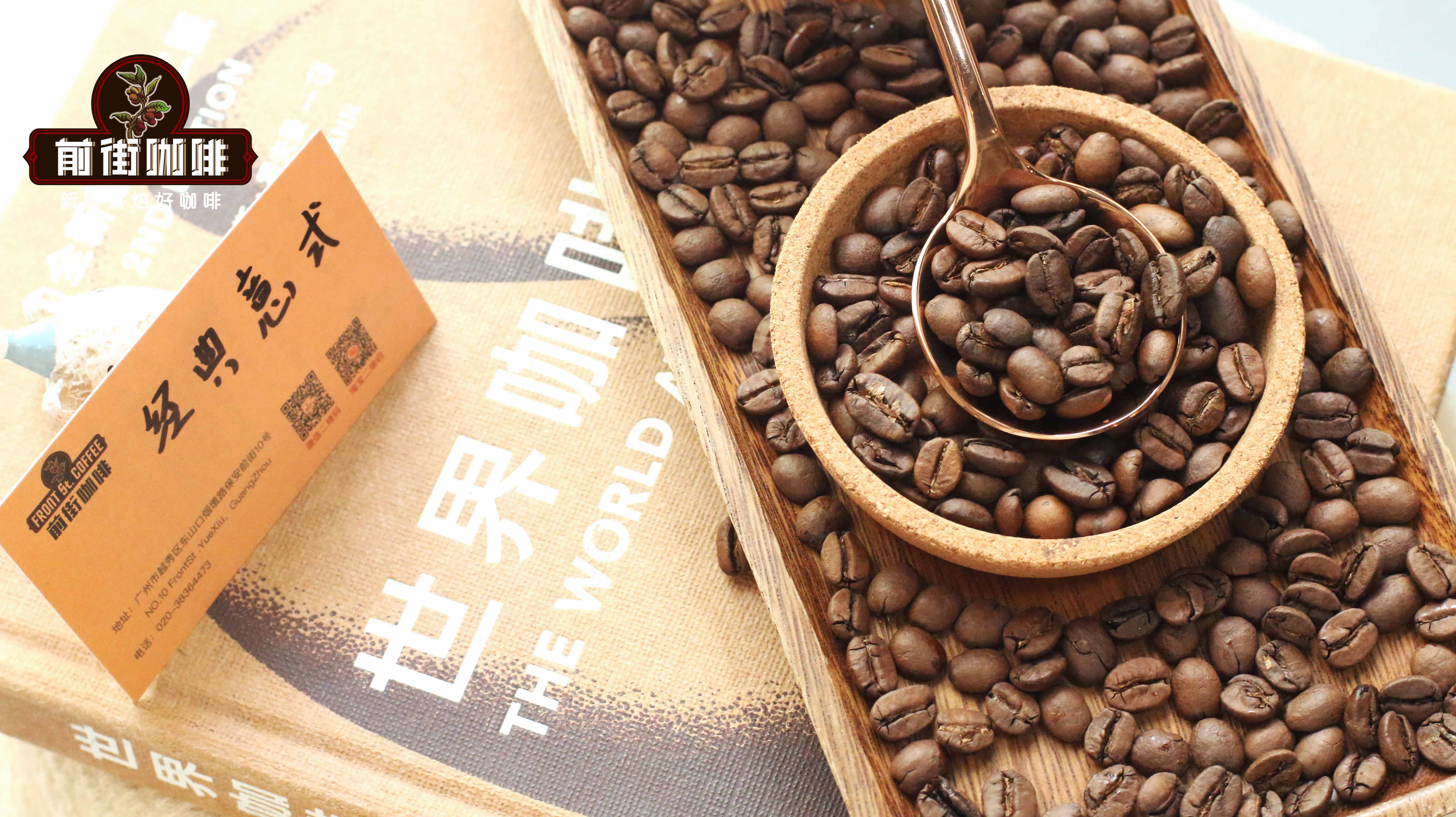
To intuitively demonstrate the effect of temperature on Americano, we selected a dark-roasted Italian blend coffee bean for testing. This blend combines beans from multiple regions and, after dark roasting, presents rich crema and a full-bodied mouthfeel, making it very suitable for making various types of Americano.
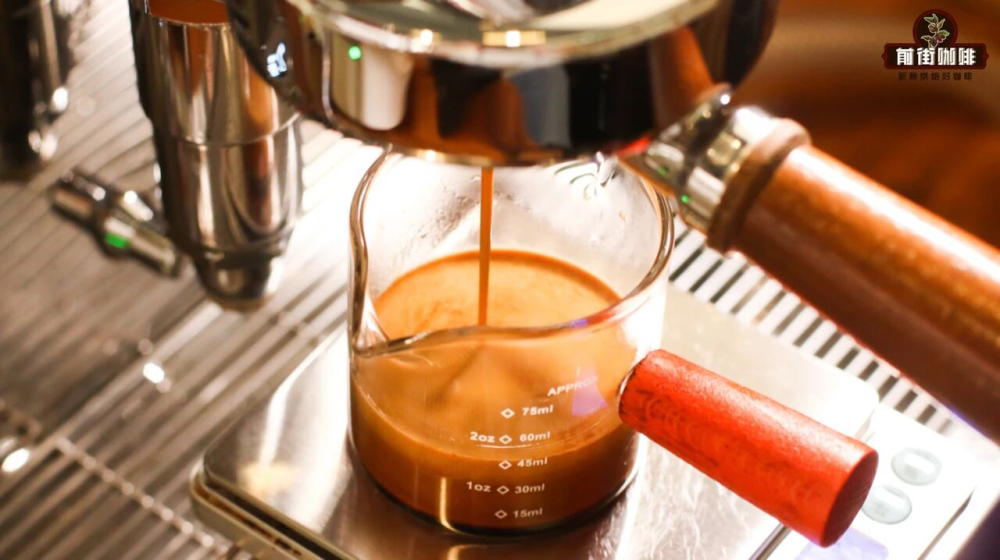
The experiment used uniform espresso extraction parameters: a professional semi-automatic espresso machine with a medium-fine grind (about 1.9), 20 grams of coffee powder per serving, extracting 35 grams of espresso liquid in 27 seconds. The resulting espresso has distinct whiskey aroma, milk chocolate and vanilla cream flavors, soft acidity, and a caramel-like sweetness in the finish.
The standard ratio for Americano is 1 part espresso to 6 parts water (by weight). Based on this ratio, we prepared iced Americano, room-temperature Americano, and hot Americano for comparative evaluation.
The method for iced Americano: first mix 110 grams of ice cubes with 100 grams of room-temperature water to make an ice-water mixture, then pour in 35 grams of freshly extracted espresso. Note that the ice will continue to melt during drinking; it is recommended to stir gently before drinking to distribute the coffee flavor evenly.
Room-temperature Americano is relatively simple: pour 35 grams of espresso into a cup, then directly add 210 grams of room-temperature water. This method better preserves the coffee's original flavor characteristics without affecting the flavor profile due to excessively high or low temperatures.
The key to hot Americano is controlling the water temperature: pour 35 grams of espresso into a cup, then add 210 grams of hot water at about 88°C. Special reminder: the water temperature should not exceed 90°C; too high a temperature can easily cause the coffee to develop a burnt bitterness and disrupt the original flavor balance.
The three temperatures of Americano exhibit completely different flavor characteristics. Hot Americano has the most active whiskey aroma, mild acidity, mainly presenting hazelnut and caramel sweetness, with a relatively high body, suitable for those who prefer rich mouthfeel.
Room-temperature Americano has a relatively restrained aroma, but softer acidity and a smooth, delicate mouthfeel. Because the espresso's crema is not destroyed by high temperature, it brings a smoothness similar to vanilla cream, with a finish of nuts and caramel.
Iced Americano has the weakest aroma among the three but the most vivid acidity. On the palate, you can feel a distinct whiskey aroma, accompanied by berry-like sweet acidity and a finish of hazelnut chocolate; the overall mouthfeel is refreshing and pleasant, especially suitable for summer drinking.

The influence of temperature on taste perception cannot be ignored. When drinking hot coffee, we can experience the layered changes in flavor as the coffee goes from hot to cool; while iced coffee reduces the sensitivity of taste buds to bitterness and sweetness, relatively highlighting acidity. Therefore, which temperature of Americano to choose ultimately depends on your personal taste preference at the moment.
For enthusiasts trying to adjust the temperature of their Americano for the first time, it is recommended to start with room temperature and gradually explore the drinking method that suits you best. Remember, high-quality coffee beans and the proper espresso-to-water ratio (1:6) are the foundation for ensuring that Americano at any temperature presents good flavor.