Moka Pot Guide: Single vs Double Valve, Pressure and Grind
Introduction: Want to brew professional-level coffee with a moka pot? This article takes a deep look at the core differences between single-valve and double-valve moka pots, reveals how extraction pressure affects flavor, and provides a complete operating guide from grind size selection to bean pairing. Whether you are a beginner or an advanced enthusiast, you can master the key techniques for making coffee richer and fuller-bodied.
The essential difference between single-valve and double-valve moka pots
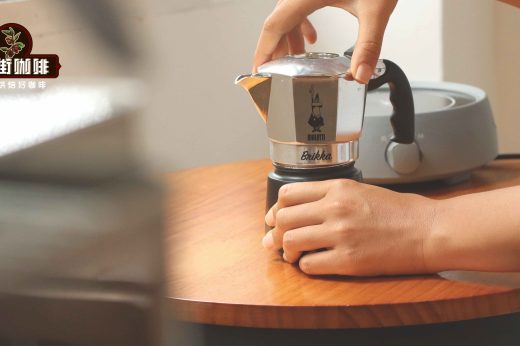
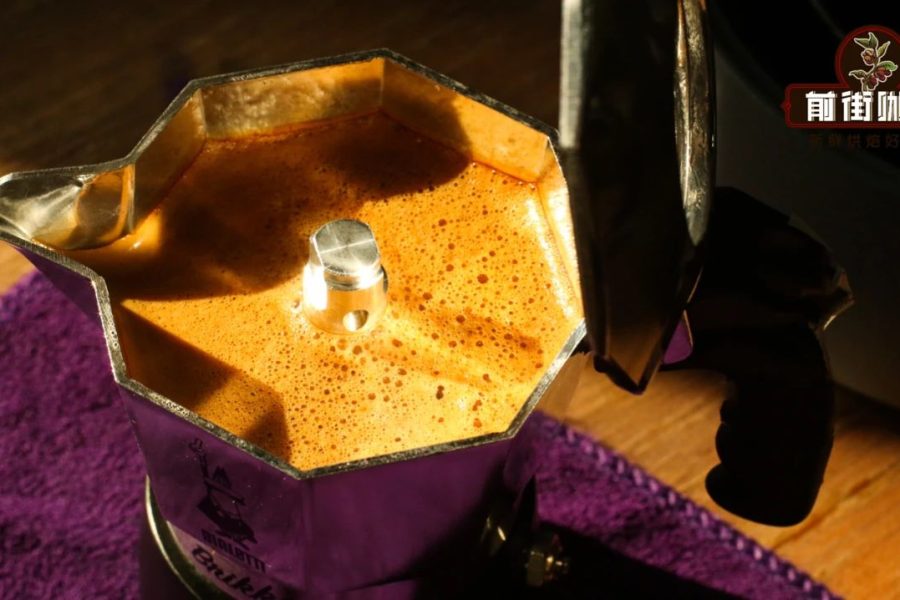
Common moka pots on the market fall mainly into two structural types: single-valve and double-valve. Single-valve pots have an open outlet design and operate at about 1Bar; the coffee they brew is dark, thick and dense but has a thin layer of crema. The upgraded double-valve pot adds a pressure valve at the outlet, raising pressure to 2-3Bar. This pressure difference extracts the coffee more fully, producing not only a thicker body but also a fine, rich crema layer. For users seeking a mouthfeel close to commercial espresso, the double-valve pot is the better choice.

The practical advantages and limitations of the moka pot
Compared with espresso machines, moka pots are simple to operate, easy to carry, and usually more affordable. Note, however, that their operating temperature can reach the 100°C boiling point (espresso machines run at 90-94°C); the high heat readily extracts bitter compounds, resulting in a scorched, bitter taste. Although the pressure performance (2Bar maximum) falls far short of professional machines' 9Bar or more, in a home setting it still delivers a coffee experience far richer than ordinary drip brewing, and quickly.
Precise control of grind size
Moka pots require a special grind size: finer than pour-over, slightly coarser than espresso. If the grounds are too coarse, extraction will be insufficient, the water will flow too fast, and it may even sputter and scald; if the grind is too fine, excessive resistance will cause pressure buildup and risks cracking the pot body. We recommend using an EK-43s grinder at the #3-3.5 setting, or visually checking the gaps in the filter basket to make sure coffee grounds cannot leak through. Actual testing shows that this range balances extraction efficiency and safety.
Choosing a suitable coffee bean roast
Medium-dark roasted beans suit the characteristics of the moka pot better.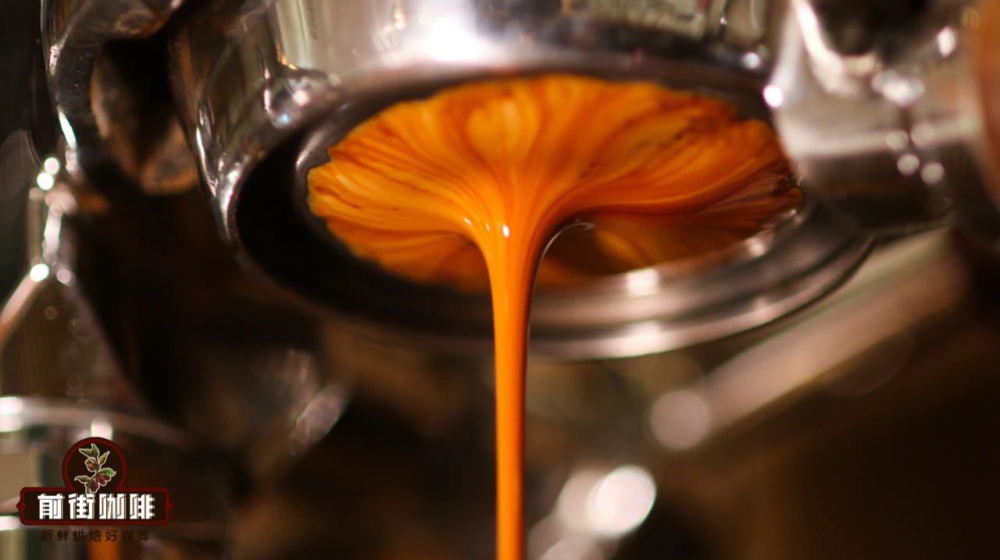 Light-roasted beans are hard in texture and require an extremely fine grind, and under high temperature and pressure they easily produce a sour, astringent sensation and struggle to bring out crema; medium-dark roasts (such as Mandheling and Brazilian beans) better express mellow flavors like caramel and nuts. We suggest choosing beans roasted within the past 5 days, when aromatic compounds are most active. Pay special attention when dosing: fill the filter basket only to nine-tenths full and gently level it—over-tamping will affect the water flow channels.

Key points of the professional-level procedure
Standard operating procedure for a three-cup pot: 1. Fill the lower chamber with purified water to 0.5cm below the safety valve (the safety threshold); 2. Use 18g of coffee ground at the #3-3.5 setting (adjust by pot size), spread it evenly and lightly scrape the surface flat; 3. When assembling the pot, make sure the gasket is properly seated; 4. For open-flame heating, keep the flame from extending beyond the base of the pot; on an induction cooktop, use medium-low heat. When you hear a hissing sound, lower the heat; when the coffee has flowed out to half the pot, turn off the heat source and let the residual pressure finish the final extraction.

Daily maintenance notes
After each use, disassemble and clean promptly, focusing on removing coffee residue from the filter plate, gasket, and extraction channels. Residual coffee stains not only cause off-flavors but can also clog the channels over time. Special reminder: the safety valve area must be kept dry; if it is blocked by coffee grounds or water, it may pose an explosion risk. We recommend regularly checking rubber parts for aging and replacing them in time when necessary.