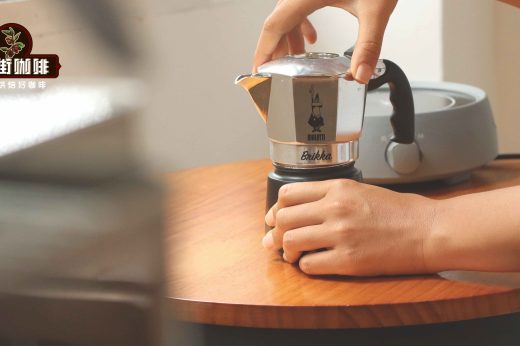
Moka Pot Beginner's Buying Guide: Single vs. Double Valve and Dark Roast Extraction Tips
Introduction: Moka pots are a classic home espresso tool, and single- vs. double-valve designs directly affect extraction. This article explains how the two valve types work, recommends the easier single-valve pot for beginners, analyzes suitable parameters for dark roast coffee beans, and offers bean recommendations for three typical roast styles to help you quickly master the essentials of home espresso.
After a century of evolution, the modern moka pot has developed into two mainstream types: single-valve and double-valve. Early single-valve pots relied solely on steam pressure to naturally push coffee out, while the double-valve pots popular in recent years add a pressure valve at the outlet, requiring higher pressure to open the flow channel. This structural difference directly determines their ease of use and flavor performance.

For users new to moka pots, single-valve models offer significant advantages. They are more forgiving in operation and produce consistent results with only basic parameters controlled. In contrast, double-valve pots require precise adjustment of grind size, dose, and heat, demanding more hands-on experience. Beginners are advised to start with a basic model and try advanced models after mastering the fundamentals.

When using a single-valve moka pot, pay special attention to three key points: first, the water level must not exceed the pressure relief valve in the lower chamber (usually located at the threaded joint of the pot body); second, use an extra-fine grind for the coffee, with particles that pass smoothly through the filter holes of the basket; finally, make sure the upper and lower chambers are tightly closed when assembling. When you see coffee begin to drip, immediately remove the pot from the heat and use a wet cloth to help cool it, using a rapid temperature change to prevent over-extraction.

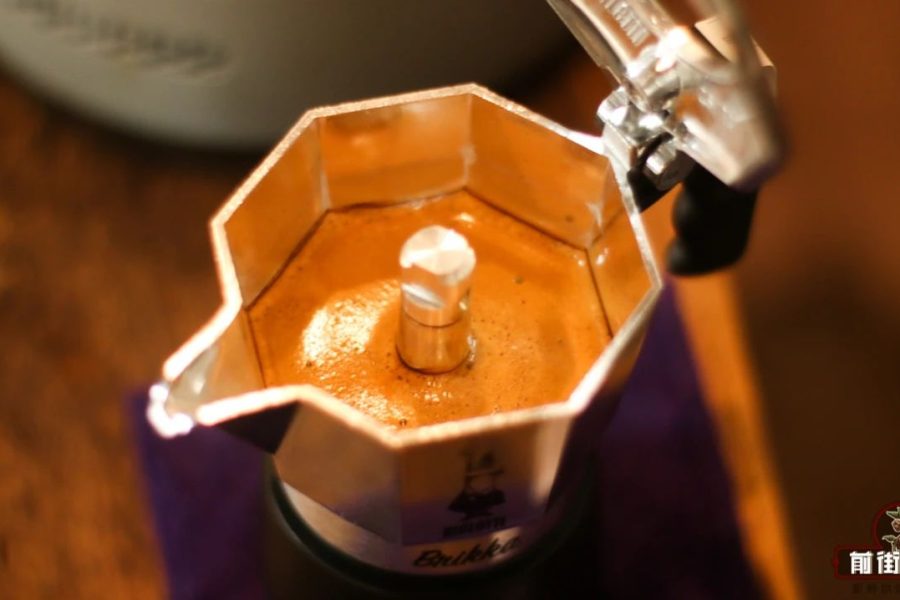
Recommended standard procedure: fill the basket with 20 grams of finely ground coffee and pour hot water close to the pressure relief valve into the lower chamber. After assembling, preheat the pot, then turn off the heat decisively once the water boils and extraction begins steadily. The entire extraction should finish within 25–30 seconds, and the coffee should be poured out promptly afterward to prevent over-extraction from residual heat. Observe the puck; ideally it should show an evenly extracted honeycomb pattern.

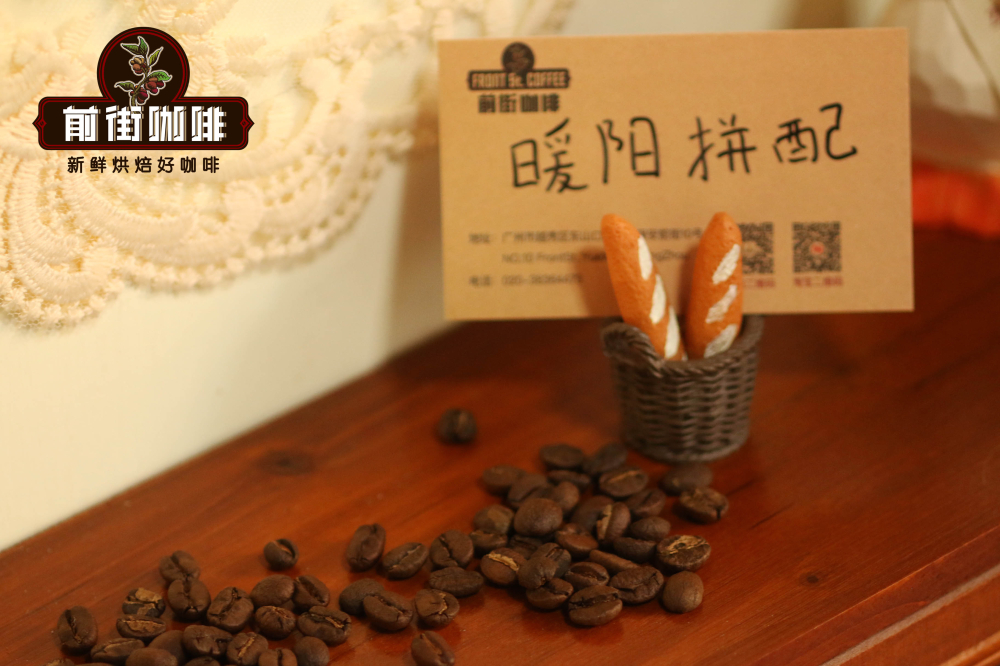
Pairing dark roast coffee beans with a moka pot maximizes the equipment's characteristics. Three typical flavor profiles are recommended: a heavily roasted blend with caramelized aroma, whose rich nutty and chocolate notes enhance body; a medium-dark roasted single-origin bean that balances body and acidity; and a high-quality dark roast that has been hand-sorted more than three times to ensure flavor purity. A grind about 10–15% finer than the standard espresso setting is recommended to increase water flow resistance.
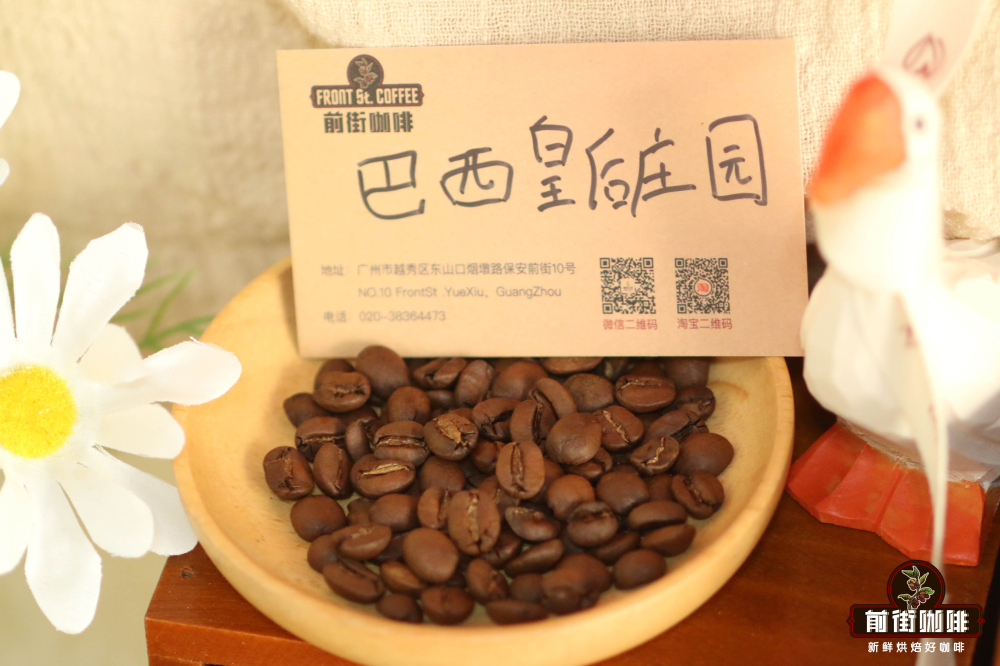
Targeted choices can be made for different preferences: users seeking wine-like aroma and creamy texture can choose a blend with a high proportion of natural-process beans; those who prefer nutty notes should try a Yellow Bourbon variety from a high-altitude region; and for occasions requiring a strong, full-bodied impact, coffee beans from the Sumatra region that have been strictly sorted are suitable. Whichever beans you choose, ensure freshness, ideally within 2 weeks of roasting.
In practice, also note: clean residue regularly to prevent valve clogging, with a deep clean recommended every 5 uses; adjust water temperature according to altitude, raising the heating temperature appropriately in highland areas; and before first use, boil a new pot with clean water 1–2 times to remove metallic taste. Mastering these details will significantly improve the consistency and flavor of every extraction.