Moka Pot Guide: Heat Control, Materials, and Heating Techniques
Introduction: The moka pot is an efficient tool for making espresso-style coffee, suitable for home use with a low barrier to entry. This article explains the optimal heat settings, the characteristics of metal body materials, and safe heating methods, and provides practical tips on coffee bean selection, grind adjustment, dose filling, and extraction timing to help you precisely master the flavor and safe operation of every cup.
The moka pot is the entry point for many coffee lovers: with no complex equipment, you can easily make espresso-style coffee at home with rich crema and a full-bodied mouthfeel. For those new to espresso-style coffee, it is not only affordable but also relatively simple to operate. However, to consistently extract good coffee, understanding the details of using a moka pot is essential.

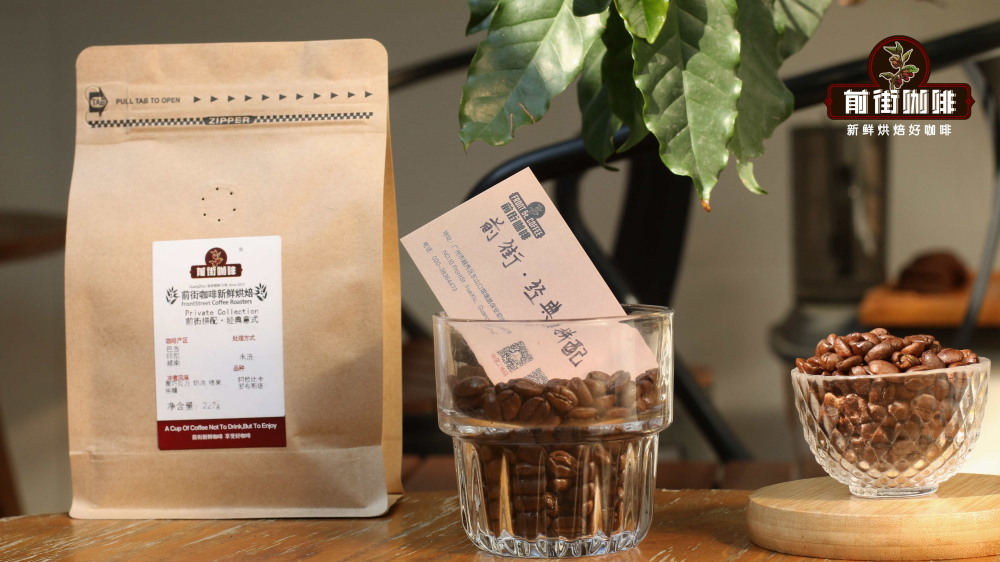
First, many beginners wonder: what kind of coffee beans suit a moka pot? The key is actually roast level and freshness. Beans with a moderate to medium-dark roast can usually better withstand the high-temperature, high-pressure extraction environment of a moka pot, bringing out rich crema and balanced flavor. Choosing freshly roasted coffee beans is especially important; it is recommended to buy products roasted within 5 days for the best aroma and extraction performance.

Structurally, a moka pot consists mainly of three parts: the upper chamber, the filter basket, and the base. The base holds water, the filter basket holds ground coffee, and the upper chamber collects the extracted coffee liquid. Its working principle is to heat the water in the base, turning it into steam and creating pressure that pushes hot water through the coffee bed; the extracted coffee then passes through the filter basket into the upper chamber. This pressure-assisted extraction allows the moka pot to complete extraction in a relatively short time, but it also places higher demands on heat and grind size.

As for the grind size of the coffee grounds, it is recommended to keep it between 0.3 and 0.55 mm, close to the texture of fine granulated sugar or very fine sea salt. Grinding too coarse causes water to flow too fast, so the coffee may flow into the upper chamber before being fully extracted, resulting in a thin body or even sputtering; grinding too fine may cause poor water flow and excessively long extraction, making the coffee prone to over-extraction and bitterness. If you do not have a professional grinder, you can also make fine adjustments by observing the extraction: if the coffee gushes out like a spring, the grind is too coarse; if the water is boiling but no coffee rises for a long time, the grind may be too fine, in which case you should turn off the heat promptly to avoid danger.
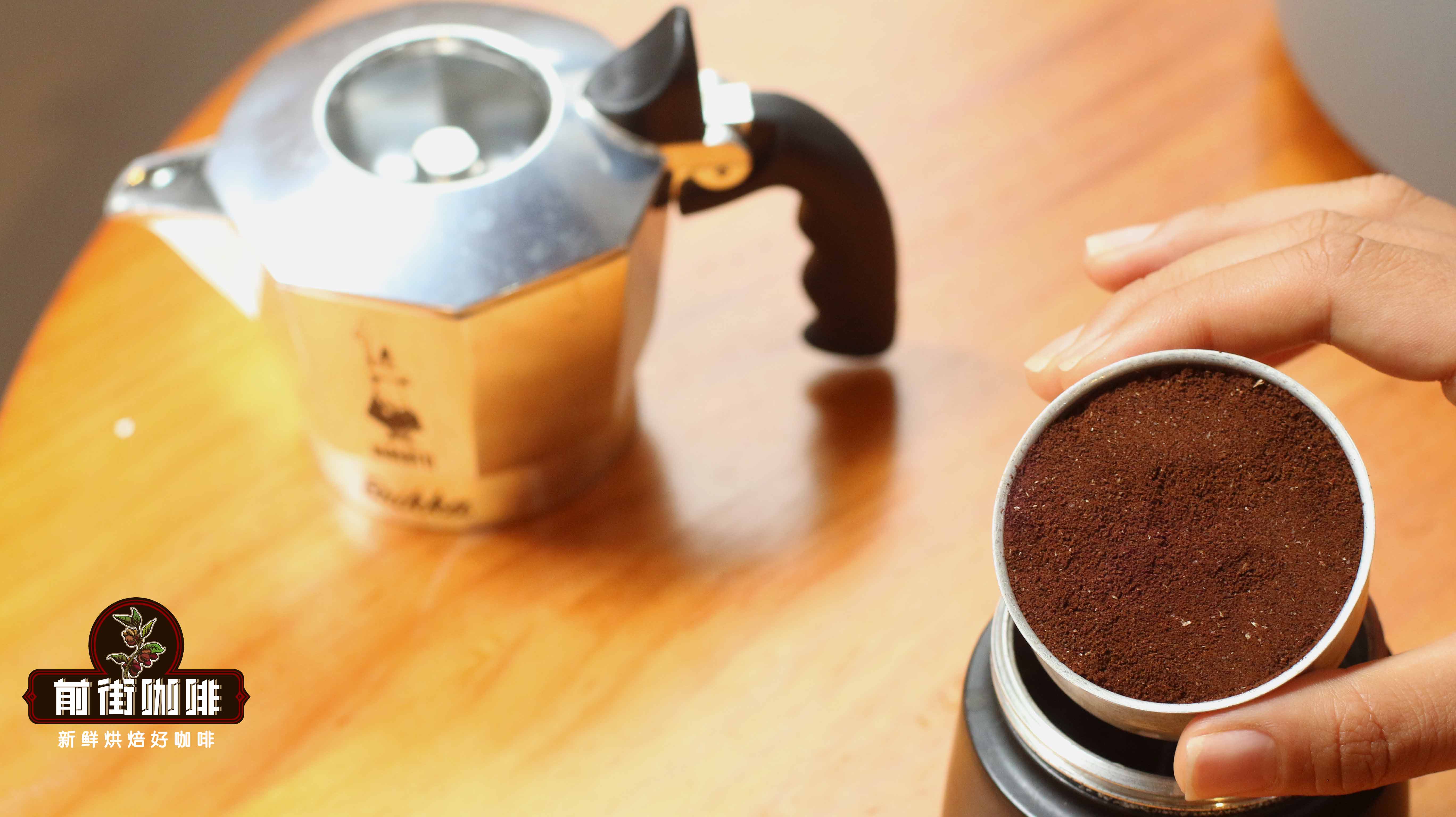
When filling the filter basket, technique also affects extraction. It is recommended to fill the coffee grounds loosely into the basket, forming a small mound slightly higher in the middle, without leveling or pressing firmly. After filling, gently tap the edge of the basket to let the grounds settle naturally, making the particles denser, but avoid compacting too much, otherwise it may block water flow or cause channeling through the puck. After filling, be sure to clean the threads where the basket connects to the upper chamber to prevent residual coffee grounds from affecting the seal.

Water quantity is also key to the coffee's flavor. Usually, the water level should be kept about 0.5 cm below the pressure relief valve; this position ensures the valve is not triggered prematurely during extraction while maintaining a reasonable water-to-coffee ratio. For example, with a common 20 g of coffee grounds, the recommended water amount is about 100 g, i.e., a water-to-coffee ratio of roughly 1:5. If making only half a portion, reduce the dose and water accordingly, such as 15 g of coffee grounds with about 60 g of water, while keeping the water level about 1 cm below the pressure relief valve. Note that too much or too little water may affect extraction balance and even bring risks of over-extraction or burnt bitterness.

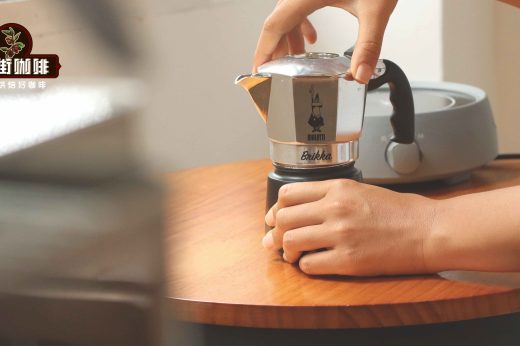
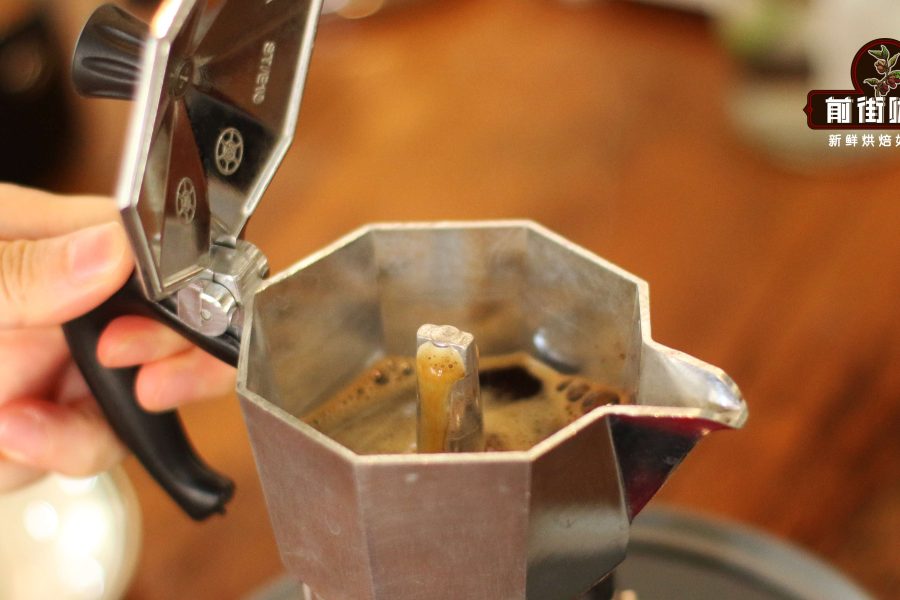
The heating method and heat adjustment directly affect the extraction quality and safety of the moka pot. Medium heat is recommended; a direct-fire gas stove is the most common method, but pay attention to the stability of the pot to avoid tilting or knocking it over. If conditions permit, using a ceramic cooktop or induction cooktop allows more precise heat control and helps stabilize the extraction process. When the moka pot begins to make a steady humming sound, internal pressure is building; you can then open the upper lid to observe, and as soon as you see the first drop of coffee flowing out, turn off the heat immediately to avoid over-extraction that causes burnt or bitter notes.
In addition, moka pots mostly use metal outer bodies with good thermal conductivity, but this also means the pot body becomes extremely hot after heating. Whether during or after extraction, avoid touching the pot body directly with your hands; use a damp cloth or heat-resistant gloves to assist, to prevent burns. Also, if no coffee flows out of the upper chamber after heating but steam can be heard inside, the outlet is likely clogged; in that case, turn off the heat source immediately and check and clean it after it cools, to avoid safety hazards from excessive internal pressure.

Overall, the moka pot is an efficient and convenient tool for making espresso-style coffee; simply master heat, grind size, filling method, and heating techniques to consistently extract coffee with rich flavor and abundant crema. Whether for daily drinking or exploring coffee flavors, it can be a capable helper in your kitchen. Keep safe operation and detail adjustments in mind, and you too can easily enjoy a professional-level coffee experience.