Moka pot guide: filling the basket, tamping, and crema extraction
Introduction: The moka pot is a classic Italian espresso tool, and many beginners wonder: should the coffee basket be filled completely? Does it need tamping like pour-over? How do you extract rich crema? This article answers the most common questions about using a moka pot in detail, covering basket filling techniques, the differences between single-valve and double-valve models, tamping recommendations, and key methods for improving crema performance, helping you precisely master the extraction essentials of a home moka pot.
With the growing popularity of home espresso equipment, the classic pressurized moka pot has once again become a focus of attention for coffee enthusiasts. Nearly a century after its invention, this device is still widely used thanks to its simple structure and concentrated flavor. But in practice, many people still have questions about whether the basket must be filled, whether tamping is needed, and how to extract high-quality crema. Below we break down these key questions one by one.
1. Does the moka pot basket need to be filled?
From an extraction standpoint, it is recommended to fill the basket as much as possible. If the basket is only half or partially filled, the resistance of water passing through the coffee bed drops noticeably, causing extraction time to be too short; hot water rushes through the coffee bed quickly, easily leading to under-extraction and a final cup that tastes weak and lacks the richness it should have.
The principle is that when there is less coffee, hot water tends to take the path of least resistance—a phenomenon also known as "channeling." When the coffee bed is not dense enough, hot water easily bypasses most of the coffee particles and flows directly into the upper chamber, causing uneven local extraction; some coffee may not even be fully extracted, affecting the overall taste.

If you want to use less coffee, you can optimize with the following method: first pour the coffee into the basket, then gently shake it side to side or tap the body so the loose grounds settle naturally and pack closely. Next, use the back of a small spoon or a similar flat tool to gently press the coffee bed so its thickness is halved but evenly distributed. To avoid over-extraction, before adding coffee, pour about half a pot of hot water into the lower chamber and heat it until nearly boiling; this shortens heating time and lets you remove the heat source promptly once the yield reaches the desired volume, finishing extraction with residual heat.
With these adjustments, you can not only avoid sputtering but also obtain a crema layer of some thickness, with noticeably improved overall strength—suitable for making iced milk coffee, with a balanced and full-bodied flavor.



2. Should you choose a single-valve or double-valve moka pot?
Based on structural differences, moka pots are mainly divided into single-valve and double-valve types. The single-valve moka pot has a simpler extraction principle: coffee flows out through a single outlet at the top of the pot, with relatively gentle pressure. It suits beginners, offers greater tolerance for error, and is less likely to over-extract due to operational mistakes.
The double-valve moka pot adds an extra pressure-regulating valve on top of the hollow tube, and extraction requires higher steam pressure to push the coffee out. This design allows the double-valve pot to generate stronger pressure, helping extract richer crema, and the coffee flavor is usually more intense.
Note, however, that because the double-valve pot uses greater pressure, it has stricter requirements for grind size, dose, and operating time; if the parameters are set improperly, over-extraction easily occurs, making the coffee taste bitter. Therefore, for users new to moka pots, it is recommended to start with a single-valve model and gradually try double-valve versions after becoming familiar with the basics.

3. Does a moka pot need tamping? How to do it correctly?
Unlike espresso machines, which require a tamper to press firmly, a moka pot does not need deliberate "tamping". However, to make the coffee bed denser and reduce channeling, it is recommended to gently tap or lightly press after adding the coffee so the bed is distributed more evenly and compactly. Excessive force may make the bed too dense, hindering water flow and affecting extraction balance.
To do this, pour an appropriate amount of freshly ground medium-fine coffee (close to espresso grind) into the basket, level the surface with your finger or a small tool, then tap the pot body so the bed settles naturally. If you want to further optimize bed density, you can press lightly with the back of a spoon, but no great force is needed—just keep the bed even and not overly dense.
4. How can you improve crema performance in a moka pot?
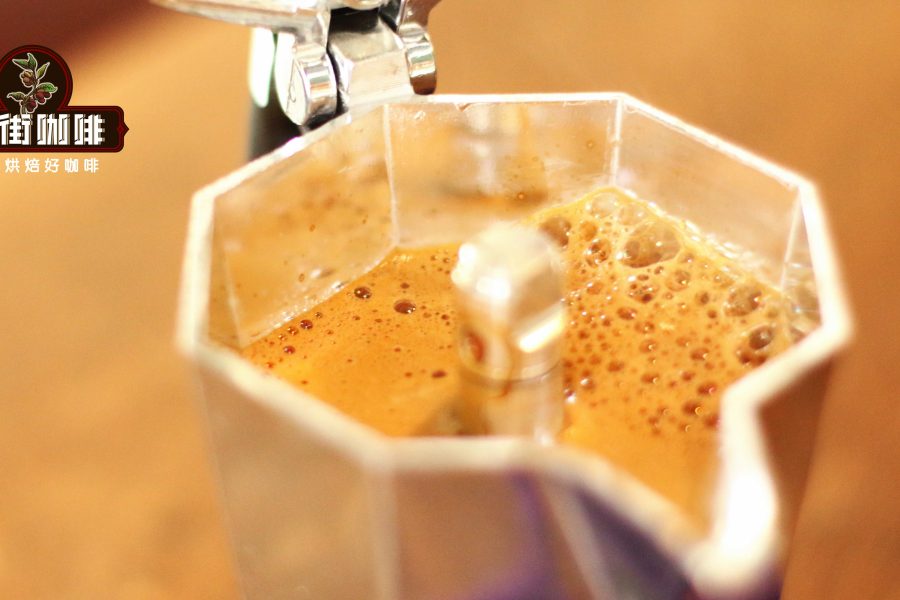
To extract more coffee crema with a moka pot, the key is to control pressure and optimize grind size and the coffee-to-water ratio. When using a double-valve pot, make sure the coffee bed is tight and the dose moderate; the grind should be close to fine sugar or extra-fine, but not too fine, to avoid clogging the valve. When heating, use medium-low heat to avoid overheating the bottom of the pot, which can cause local burnt bitterness.
Also, when the coffee begins to flow, watch the flow rate. The ideal extraction should have a steady, medium-to-slow flow, dark brown in color with a golden sheen. If the flow is too fast, the coffee bed may be too loose or the grind too coarse; adjust the parameters to enhance the crema layer.