Pour-over vs. Americano: Choosing Coffee Beans and Extraction Guide
Introduction: From pour-over to Americano, different brewing methods have very different requirements for coffee beans. This article explains the production principles of Americano, common causes of bitterness, and compares the flavor differences between pour-over and Americano. It also recommends a variety of coffee beans suited to different brewing methods, covering roast level, flavor characteristics and practical parameters, to help you find coffee beans and a brewing plan that suit your taste.
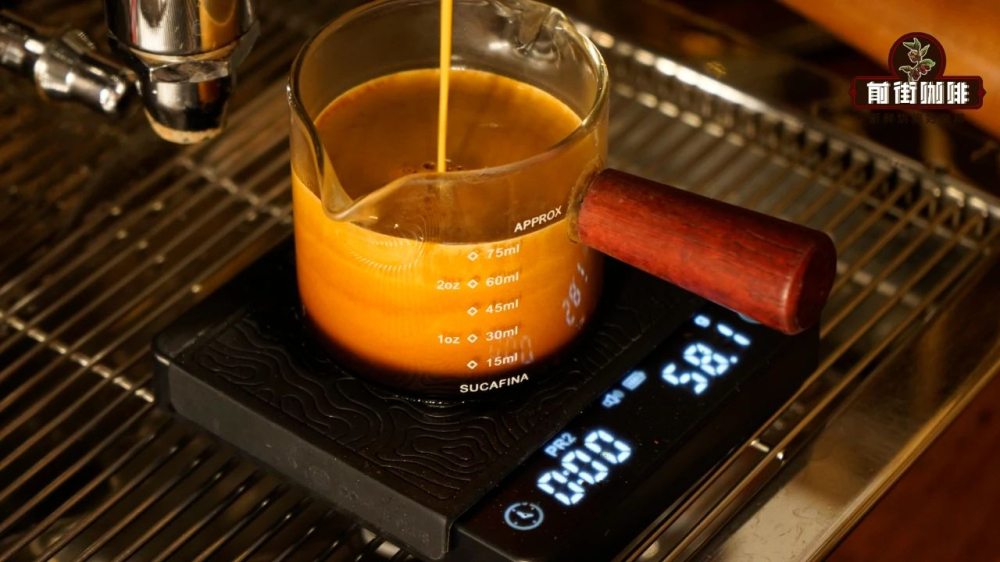
Espresso usually refers to the highly concentrated liquid extracted by an espresso machine. This concentrate is generally not drunk directly, but some customers, seeking a strong coffee sensation or a quick pick-me-up, choose to order it straight. The standard ratio for espresso is 1:2, meaning 20 grams of coffee grounds extract about 40 grams of concentrate, with a rich mouthfeel and concentrated flavor.

When we add hot water to the concentrate, we get the common Americano; if we add different proportions of milk or milk foam, it becomes a latte, cappuccino or other milk coffee. Both Americano and pour-over are black coffee, but their production methods are completely different: Americano is made by diluting concentrate with water, while pour-over directly uses hot water through a dripper to extract coffee grounds, requiring no espresso equipment and skipping the dilution step.

Making Americano seems simple—just mix espresso with water—but it actually places high demands on the barista's extraction skills. Because Americano has no milk to mask it, the coffee's own acidity, sweetness, bitterness and body are presented more directly, so many coffee lovers order Americano in cafés both for a quick drink and to intuitively judge the coffee's quality.

When making hot Americano, it is recommended to preheat the cup with hot water first, then pour in an appropriate amount of hot water, and finally add the espresso. The common ratio range is 1:4 to 1:6; if you like a balanced and rich mouthfeel, choose 1:5, i.e. 40 grams of concentrate with 200 grams of hot water. For iced Americano, first cool the cup with ice cubes, then pour in the ice-water mixture, and finally add the espresso. Due to the diluting effect of ice, iced Americano usually uses a 1:7 ratio, e.g. 40 grams of concentrate with 280 grams of ice-water mixture (about 180 grams of ice and about 100 grams of water).

Many consumers report that Americano can sometimes be too bitter, which is actually related to several factors. First, the roast level and regional characteristics of the coffee beans themselves affect the final flavor. Dark-roasted coffee beans usually have a stronger roasted aroma, chocolate and nutty notes, lower acidity and relatively prominent bitterness.

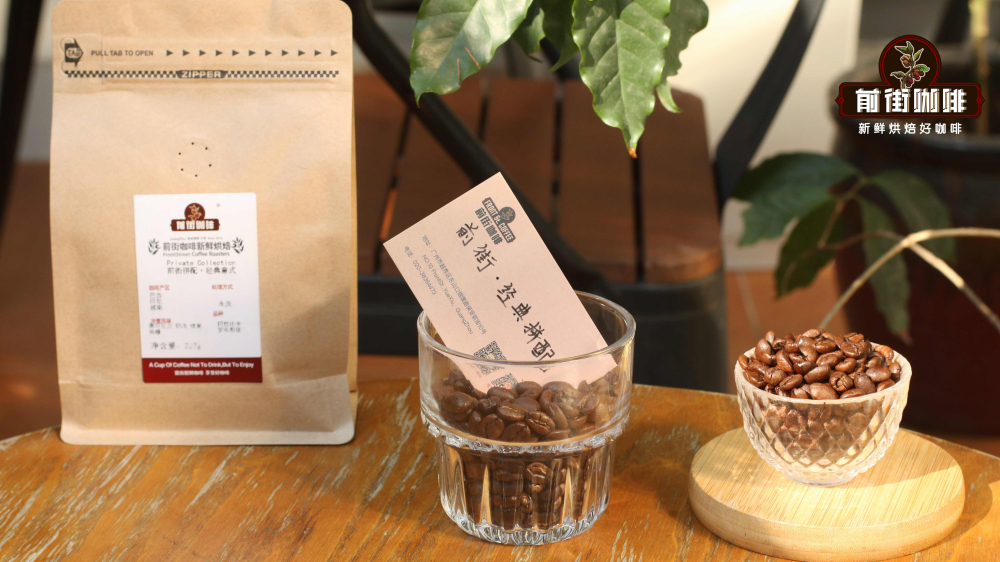
For example, some classic blends use a medium-dark roast, combining the nutty richness of Brazilian beans with the spice and dark chocolate notes of Mandheling, plus a small amount of Robusta to enhance the oily mouthfeel, giving an overall balanced but rather intense result. If you are sensitive to bitterness, you can try medium-roast blends; these usually use beans from Costa Rica, Ethiopia or Colombia, with floral, caramel or almond aromas, more pronounced acidity and sweetness, and a refreshing mouthfeel.
Besides the beans themselves, bitterness in Americano may also come from extraction problems. Common causes include too fine a grind, too long an extraction time, or channeling that causes uneven water flow, leading some coffee grounds to be over-extracted and release too many bitter compounds. Professional baristas usually adjust extraction parameters daily according to the freshness and condition of the beans—for example, controlling dose, extraction time and liquid weight ratio—to avoid the release of bitter compounds in the tail end.
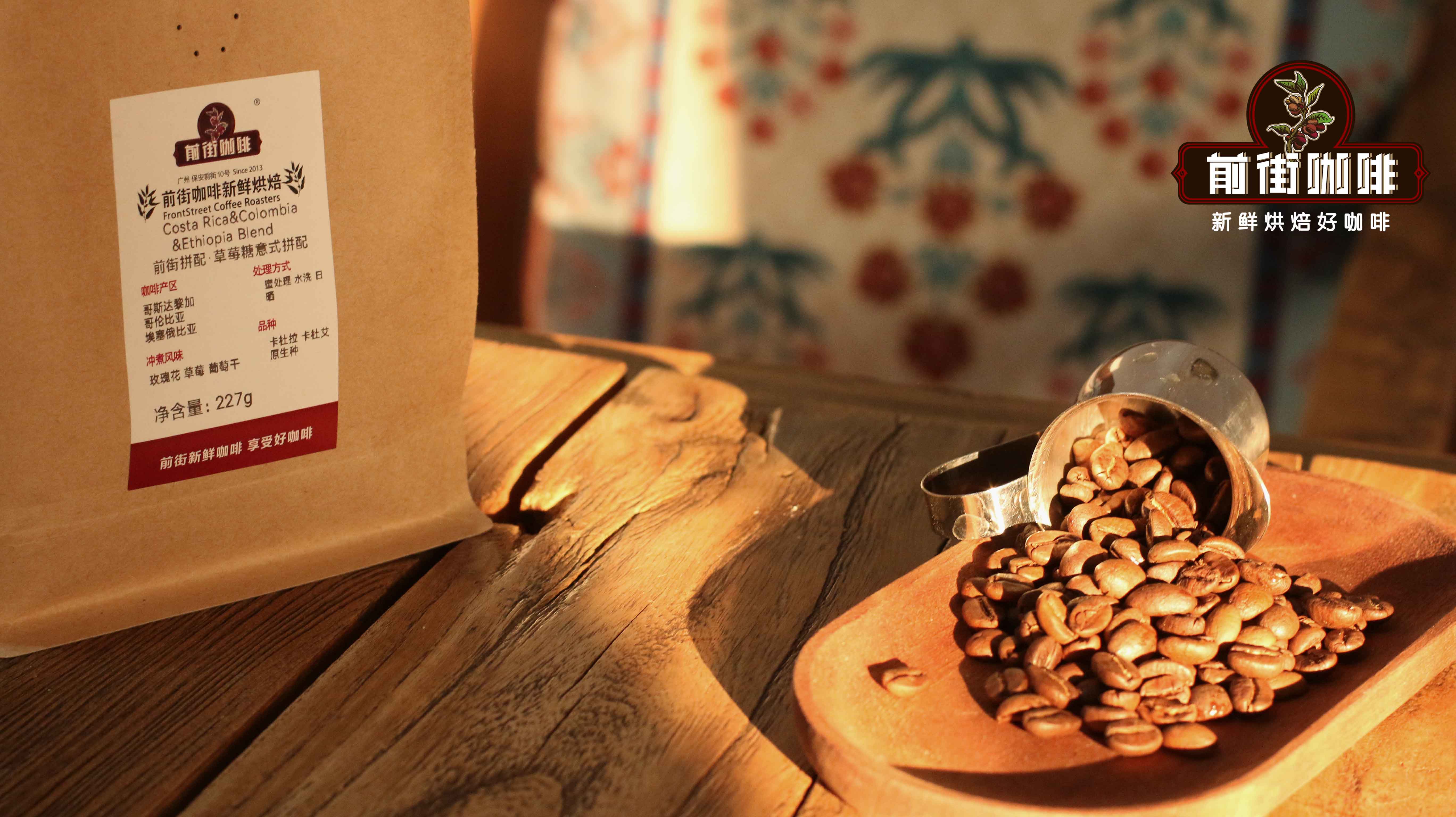
For enthusiasts who want to make café-quality Americano at home, choosing a suitable espresso blend is crucial. A high-quality espresso bean should have good body, a moderate sweet-acid balance and rich crema, so that it retains layers of flavor after water or milk is added.
For different needs, there is a diverse range of choices on the market. For example, some blends combine Brazilian and Colombian beans, bringing nutty, dark chocolate and caramel flavors, suitable for users who like a balanced mouthfeel; there are also blends mainly of Yunnan and Brazilian beans, emphasizing body and oily mouthfeel, with high value for money, suitable for daily drinking; and commercial blends with a small amount of Robusta, which, although not 100% Arabica, can significantly enhance the coffee's aroma and thickness, especially suitable for making latte art.
In summary, whether pour-over or Americano, the flavor performance of coffee is closely related to bean choice, roast level and brewing parameters. Pour-over is better suited to showing coffee's delicate flavors and sweet-acid layers, while Americano focuses more on body and balance. By understanding the characteristics and extraction key points of different beans, you can more precisely find the coffee flavor that suits you.