Drip bag coffee vs. Americano: how to choose beans and brew
Introduction: Drip bag coffee and Americano are both common types of black coffee, but they differ clearly in preparation method, flavor characteristics and drinking occasions. This article starts with their definitions, explains the origin and operation of drip bag coffee, compares the extraction characteristics of Americano, and recommends in detail the types of beans suitable for making drip bag coffee, including bright fruity acidity, rich nutty flavor and multi-layered fruity aromas, to help you find the drip bag black coffee that best suits your taste.
Drip bag coffee is essentially a brewing format of black coffee. Pre-ground coffee is placed in a drip bag with filter paper; hot water is poured in, and the coffee's flavor compounds are extracted by drip filtration, resulting in a pure cup of black coffee. This coffee can be drunk directly or adjusted with milk according to personal preference. A standard drip bag contains about 10 grams of ground coffee and can extract about 130 to 150 milliliters of coffee liquid, making it very suitable for single-serving daily drinking.

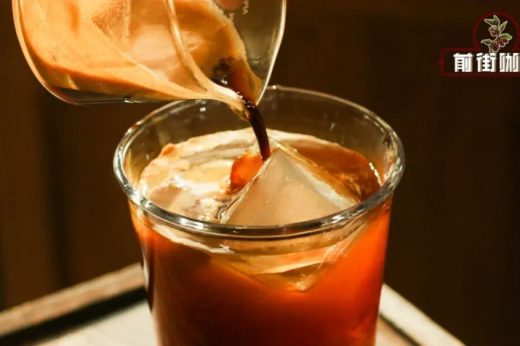
By contrast, Americano is usually made by extracting a high-concentration Espresso base with an espresso machine and then diluting it with hot or iced water. Because medium-dark roasted coffee beans are used in most cases, Americano often presents a more balanced and full-bodied mouthfeel. This method suits consumers seeking quick and consistent flavor, and is especially common in coffee shops or offices.
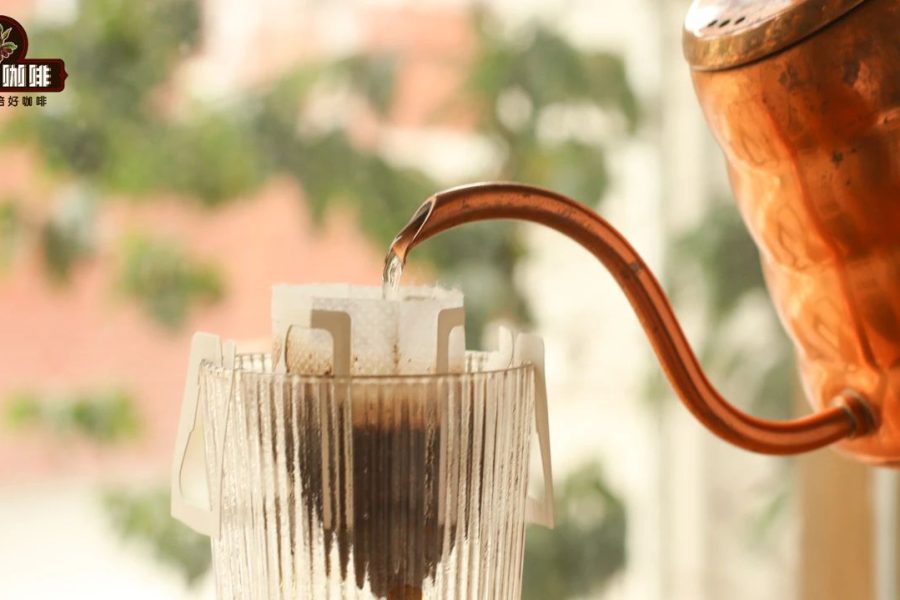
The idea of drip bag coffee originated in Japan in 1990, developed by Yamanaka Sangyo Co., Ltd. Inspired by string-tag tea bags, it aimed to recreate the pour-over coffee experience by putting pre-ground coffee into a non-woven filter bag. The bag has paper structures like "little ears" on both sides that let it hang in the center of the cup rim for even extraction. Because it looks like ears, this coffee format was vividly called "drip bag coffee."
In 2002, the drip bag coffee pack design was patented in Japan and gradually brought to market. It quickly became popular for its convenience and simple brewing, and the concept was later introduced to the Chinese market, becoming a daily choice for many coffee lovers.
Brewing drip bag coffee is very simple. Just prepare a kettle of hot water and a cup, hang the filter bag on the cup rim, and slowly pour in hot water to complete extraction. Afterwards, simply discard the filter bag and coffee grounds, saving the trouble of cleaning complicated equipment. With the spread of specialty coffee concepts, more and more coffee beans from different origins, processing methods and roast levels can be made into drip bag form, offering consumers rich choices and making it easy to enjoy a high-quality cup of coffee at home, in the office or outdoors.

For first-time drip bag coffee users, you can choose drip bags made from beans with different flavors according to personal taste preferences. The following are several common and popular style types:
1. Bright fruity acidity type
Consumers who like fresh fruity acidity or floral aromas can give priority to drip bag coffees whose flavor descriptions mention lemon, citrus, white flowers, tropical fruit and similar characteristics. These coffees usually use light to medium roasting, highlighting the coffee's own bright acidity and fruity layers. They are fresh and pleasant on entry, very suitable for spring and summer or for people who like a light mouthfeel.
2. Rich nutty type
If you prefer coffee with a rich mouthfeel and solid aroma, you can choose medium-dark roasted drip bag coffee, such as styles described with nut, chocolate, caramel or cream flavors. These coffees have lower acidity, balanced bitterness and sweetness, and often come with warm roasted notes. They are suitable for autumn and winter drinking, and also go well with meals or as a daily pick-me-up.
3. Multi-layered fruity type
Consumers pursuing complex flavor layers can try drip bag coffees with fermented notes or special processing methods, such as styles with berry, tropical fruit, fermented wine aroma or sugary sweetness. These coffees often enhance flavor expression through special processing and suit users who like exploring different coffee experiences.

To preserve the coffee's original flavor as much as possible, drip bag coffee usually uses freshly roasted coffee beans ground into powder. It is generally recommended to grind and make drip bags within 5 days after the beans are roasted, so that when they reach consumers they are just at the best stage of flavor release, usually the 4th to 5th day after roasting. It is recommended to brew as soon as possible after receiving them to fully experience their rich aroma and flavor layers. If you want a more complete flavor experience, you can also choose to buy whole beans and grind and brew fresh, which better preserves the coffee's delicate layers and freshness.

Overall, both drip bag coffee and Americano have their own unique advantages. Drip bag coffee, with its convenient operation and diverse flavors, suits many occasions such as home, office or travel; Americano, with its stable and rich flavor, has become a popular choice for quick refreshment or standardized output. Understanding their differences helps you make a more suitable choice based on your own needs and taste preferences.