Moka Pot Guide: Water Volume, Temperature, and Making Americano and Latte
Introduction: The moka pot is the starter choice for many coffee lovers, but many people still have questions about how much water to add, whether to use cold or hot water, and whether it can make Americano or latte. This article explains in detail the water volume control techniques for the moka pot, the choice of water for heating, and how to use the moka pot to make Americano and latte with different flavors. It also provides practical grind size and extraction parameter suggestions to help you easily master this classic device.
The moka pot is a classic Italian coffee device, invented in 1933 by an Italian designer inspired by the working principle of a washing machine. It uses steam pressure to push water through the coffee grounds, thereby extracting espresso, and is simple to operate and widely popular in households around the world.

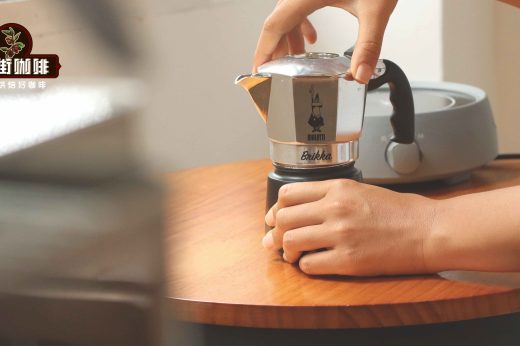
The moka pot mainly consists of three parts: the lower chamber holds water, the middle filter basket holds coffee grounds, and the upper chamber collects the extracted coffee. Its working principle is to heat the lower chamber so that the water heats up and generates steam pressure, pushing hot water up to the filter basket, extracting the coffee and then flowing into the upper chamber. This design allows household users to easily enjoy a rich taste close to that of an Italian coffee machine.

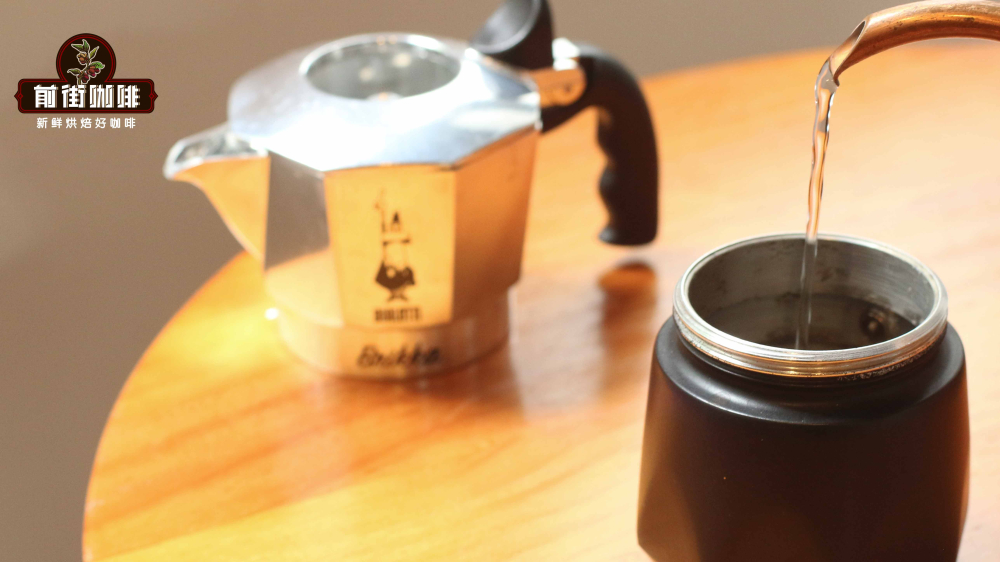
When using a moka pot, adding water is the first step. It is recommended to fill water below the safety valve, and never exceed the safety valve position, otherwise excessive pressure may pose a safety hazard. The best practice is to use hot or warm water, which can shorten the heating time and reduce the loss of flavor and burnt bitterness caused by the coffee grounds being heated for a long time.

Regarding the grind size of coffee grounds, the suitable particle size for a moka pot is between 0.3 and 0.55 mm, slightly coarser than the coffee grounds of a general Italian coffee machine. If you do not have a professional grinder at home, you can adjust by observing the flow rate: if the coffee gushes out quickly like a fountain, the grind is too coarse and the water flow resistance is too small; if you only hear a "whooshing" sound but the coffee does not flow out for a long time, the grind is too fine. At this time, you should immediately move away from the heat source, and after it is safe, adjust the grind coarser.
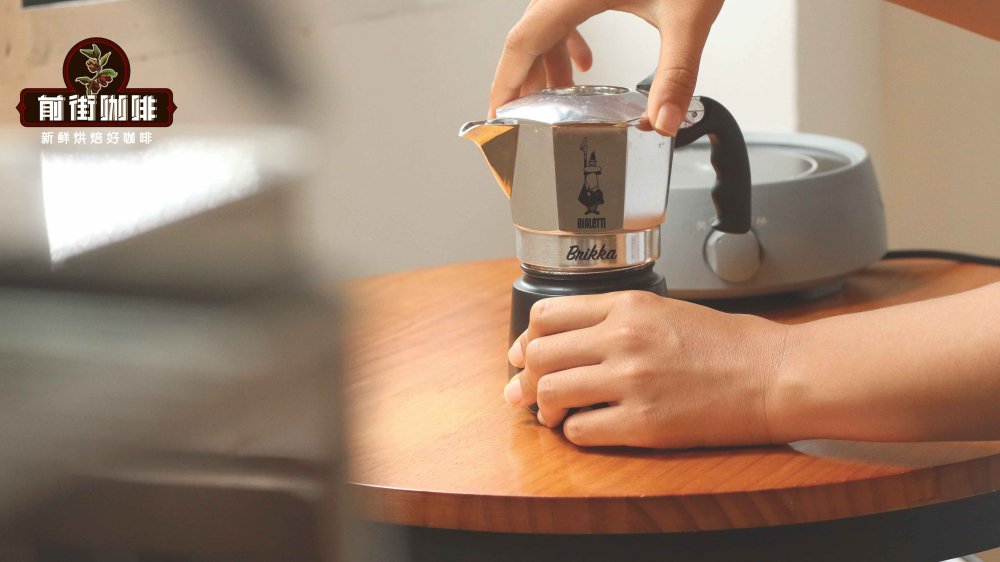
When filling the grounds, pour an appropriate amount of coffee grounds into the filter basket, gently tap level, and let the coffee layer settle naturally and distribute evenly. Be careful not to press it firmly, so as not to cause excessive resistance and affect extraction. After filling the filter basket, install it onto the lower chamber, then screw it tightly with the upper chamber to ensure a good seal.

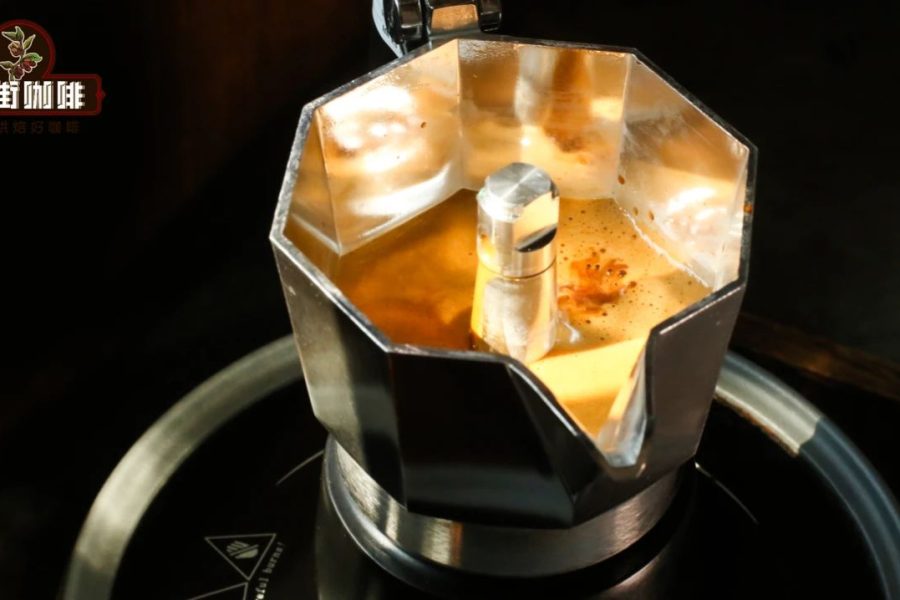
For heating, an electric ceramic stove is recommended. Place the moka pot on the stove and heat over medium heat. When you hear a clear "whooshing" sound, it indicates that internal pressure has formed. At this time, you can turn down the heat and open the upper chamber lid to observe the coffee liquid flowing out. When about half of the coffee liquid has flowed out, it is recommended to turn off the heat and use residual heat and pressure to push the remaining coffee into the upper chamber. This can avoid over-extraction and obtain a more balanced taste.
The coffee liquid just extracted from the moka pot is relatively strong, even bitter, and is suitable for adjusting the drinking method according to personal taste. To make a coffee similar to Americano, you can add hot or iced water at a ratio of 1:3, for example, 60–90 ml of coffee liquid with 180–270 ml of water. This can effectively reduce the concentration, release more coffee aroma, and make the taste more refreshing.

To make latte-flavored coffee, it is recommended to use a coffee-to-milk ratio of 1:2, for example, 60–90 ml of coffee liquid with 120–180 ml of fresh milk. This can present a mellow milk coffee taste with a slight caramel flavor, suitable for users who like silky milk aroma. When heating milk, pay attention to controlling the temperature at 60–65°C to avoid high temperatures damaging the taste.

The final flavor presented by the moka pot is closely related to the selected coffee beans. If you prefer a mellow and solid taste, you can choose medium-dark roasted blend beans. These beans usually have nutty, chocolate and caramel notes, are easy to extract rich crema, and are suitable for various drinking methods.

Users who like fresh fruity aromas can try single-origin beans with tropical fruit flavors. These beans often present passion fruit, grape or citrus aromas, and are especially suitable for making iced moka pot Americano, with a refreshing and pleasant flavor and balanced acidity and sweetness.
In addition, the experience of using a moka pot is also closely related to operational details. For example, water quality selection, coffee-to-water ratio, and heat control all affect the final flavor. Beginners are advised to start practicing with hot water extraction, gradually become familiar with the combination of flow rate and grind, and find the parameter combination that best suits their own taste.