Why Vietnamese Coffee Favors Condensed Milk: A Robusta Phin Filter Tutorial
Introduction: Vietnamese coffee is known for its distinctive sweet condensed milk and drip-filter method, reflecting a blend of colonial history and local culture. This article examines the origins of Vietnamese coffee, explores why condensed milk pairs so perfectly with Robusta beans, and explains step by step how to use a traditional aluminum phin filter to recreate an authentic cup of Vietnamese iced coffee.
Mention Vietnamese coffee and many people immediately picture a small metal drip filter and a layer of rich, sweet condensed milk in the cup. Unlike other regions, where fresh milk is customary for balancing coffee's bitterness, Vietnamese people favor condensed milk—a preference with a particular historical background. Let us begin with how coffee was introduced to Vietnam and how it developed, to trace the origins of this distinctive way of drinking it.
Vietnam's coffee culture began in the mid-19th century, around 1857, when French Jesuit missionaries introduced coffee to this tropical country. Over the following nearly 150 years, Vietnam gradually developed its own distinctive coffee-drinking tradition. Although Vietnam began experimenting with coffee cultivation as early as the French Indochina period, years of war repeatedly constrained the industry's development, and output remained low.
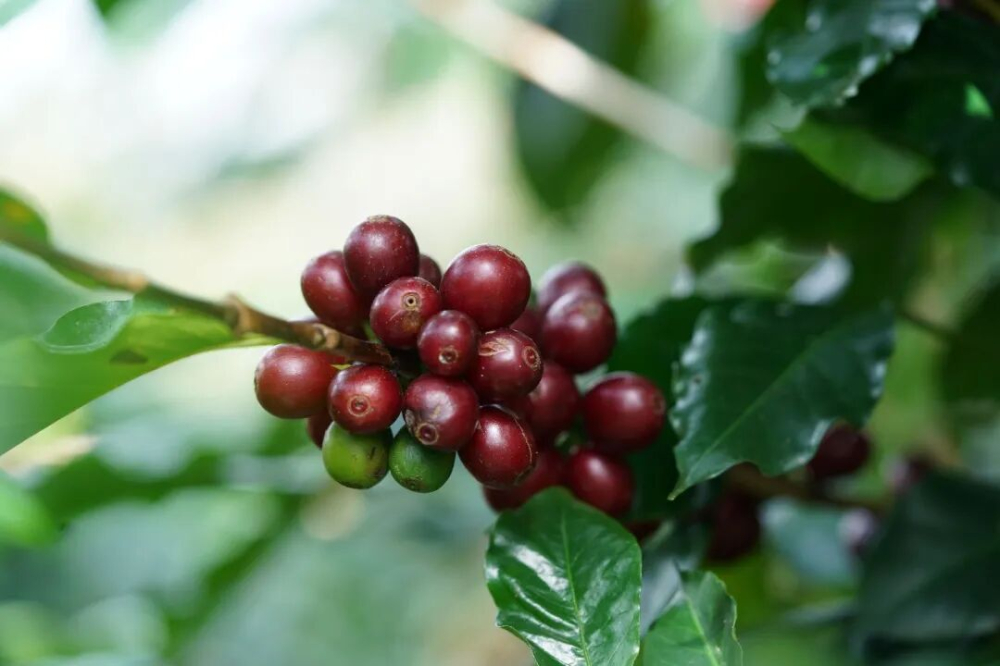
It was not until the 1970s and 1980s, with support from government economic policy, that Vietnamese coffee cultivation took off, with planting areas expanding rapidly. Over the past two decades, total coffee bean output has soared, and Vietnam now ranks second in the world, behind only Brazil. Notably, Vietnamese coffee beans are predominantly Robusta, a variety often used in three-in-one instant coffee, and account for roughly a quarter of global output.
For many people, Vietnamese coffee means not just a type of bean but a distinctive method of brewing and drinking. The most iconic elements are the small metal drip filter (known locally as a phin, from the French filtre) and the habit of pairing coffee with sweet condensed milk.
In Vietnam, coffee shops line the streets and alleys; in cities and countryside alike, these affordable places to rest are easy to find. Coffee is very accessible locally: an ordinary cup of black coffee costs just a few yuan. Walking down a Vietnamese street, you will often see people sitting around low tables under sun umbrellas or canvas awnings, with various simple aluminum drip filters and coffee cups of all sizes on the table. This scene has become an everyday part of Vietnam's street life.
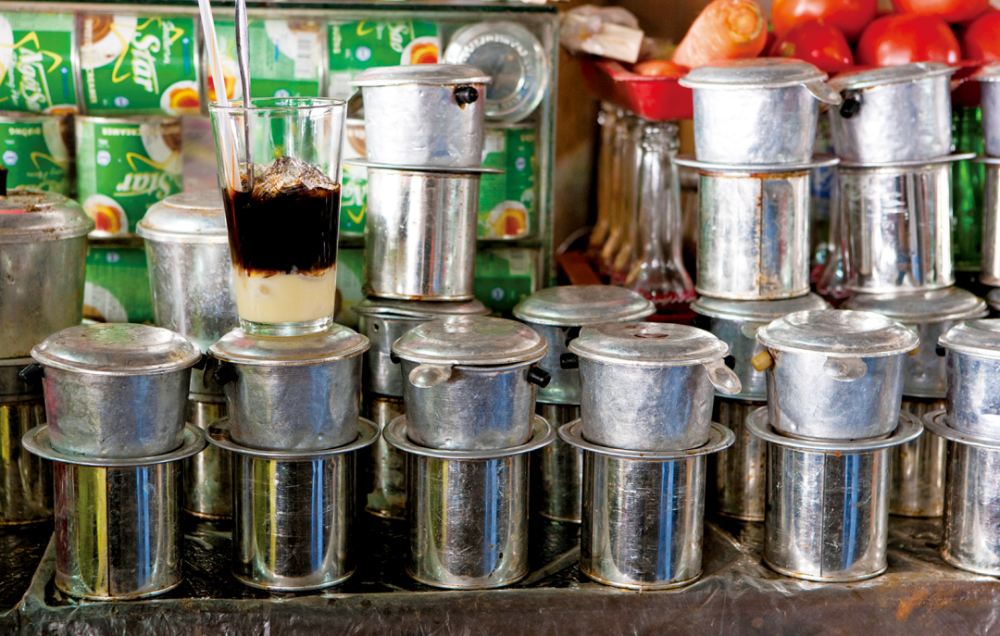
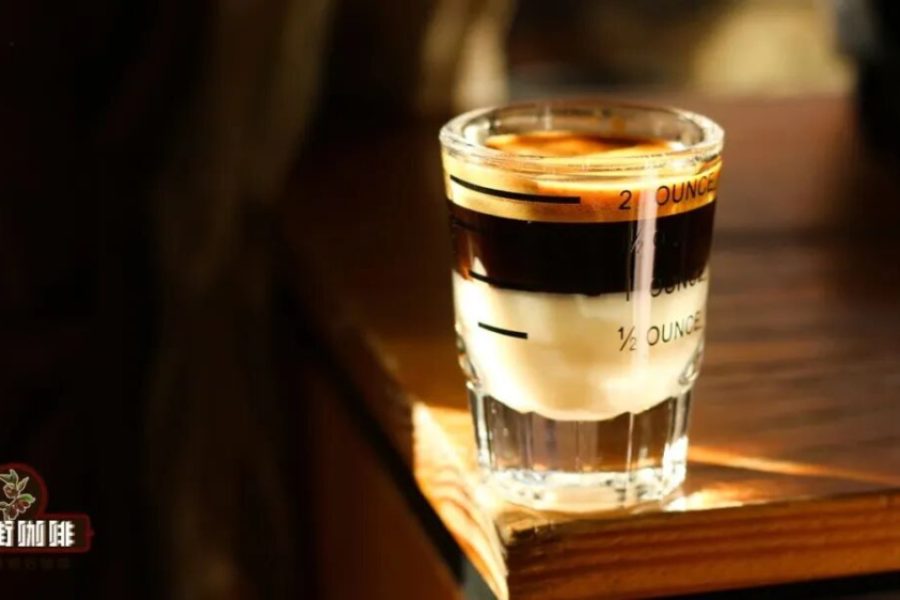
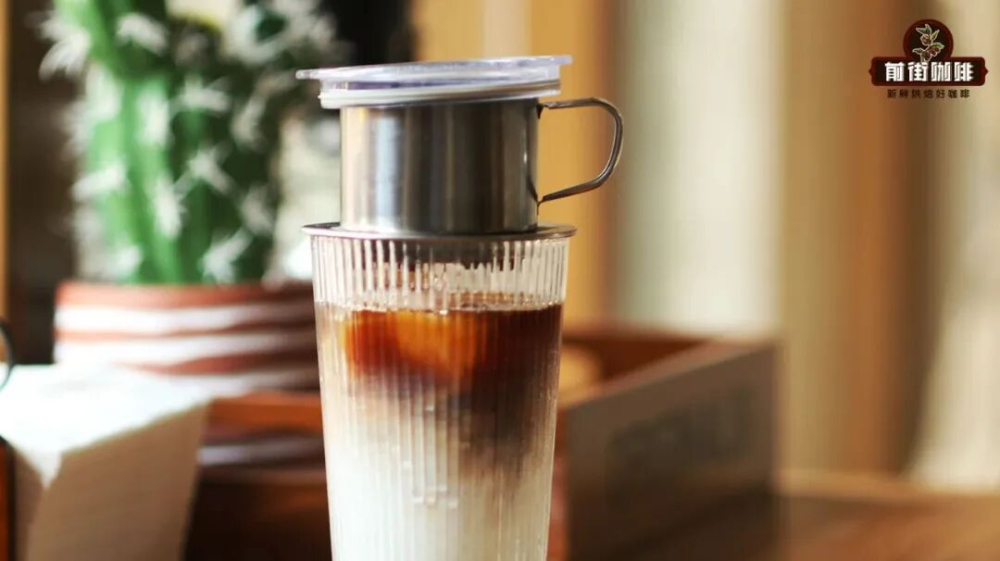
The traditional way of drinking Vietnamese coffee is very simple: first put a suitable amount of condensed milk in the cup, then place the drip filter filled with coffee grounds on top of the cup, slowly pour in hot water, and wait 5 to 10 minutes as the coffee drips slowly into the cup, creating the classic combination of dark coffee and creamy white milk. Depending on your taste, you can add sugar or ice to make a cool, refreshing Vietnamese iced coffee (Cà Phê Sữa Đá).
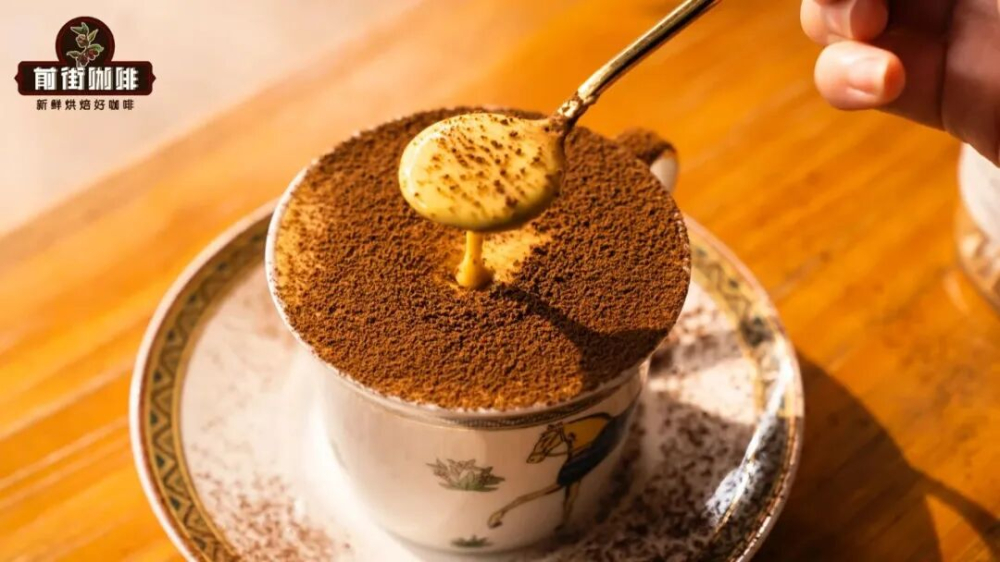
Besides iced coffee, Vietnam has another popular specialty drink: egg coffee (Cà phê trứng). This inventive coffee, which originated during the scarce-supply period of the last century, is made by whipping raw egg yolk, condensed milk and sugar into a fluffy foam and adding it over black coffee; with its rich layers of flavor, it has been called a "liquid tiramisu." Its creation is a testament to local ingenuity in making the most of limited ingredients.

So why does traditional Vietnamese coffee generally use condensed milk rather than fresh milk? Behind this lies a history that is both a matter of necessity and ingenious. In the late 19th century, French colonists brought coffee and the habit of drinking it with fresh milk to Vietnam. However, Vietnam's hot, humid climate made fresh milk difficult to keep for long, and cold-chain transport was underdeveloped, so fresh dairy products were extremely limited and expensive.
In 1856, the American Gail Borden invented condensed milk technology, which evaporated water at high heat and added large amounts of sugar as a preservative, allowing milk to be kept for long periods. When this technology reached Vietnam through colonial trade, it quickly became the local choice for preparing coffee. Condensed milk was not only affordable and easy to store; its sweetness also balanced the intense bitterness of the Robusta beans that Vietnam mainly grows.
Robusta beans have a high caffeine content, about twice that of Arabica, and a stronger, heavier flavor, often with nutty, grainy or even chocolate notes after dark roasting. But brewed straight as black coffee, their intense bitterness often puts people off. The sweetness of condensed milk balances this bitterness perfectly, creating a distinctive experience of sweetness intertwined with bitterness. Even though fresh milk is now widely available in Vietnam, the pairing of condensed milk and coffee remains deeply rooted in local culture and has become an irreplaceable classic flavor.
If you would like to recreate an authentic cup of Vietnamese drip coffee at home, try the following steps. Choose a medium-dark roasted Robusta blend to better capture the traditional flavor. Prepare a classic aluminum phin filter, condensed milk, hot water and your favorite cup.

Steps:
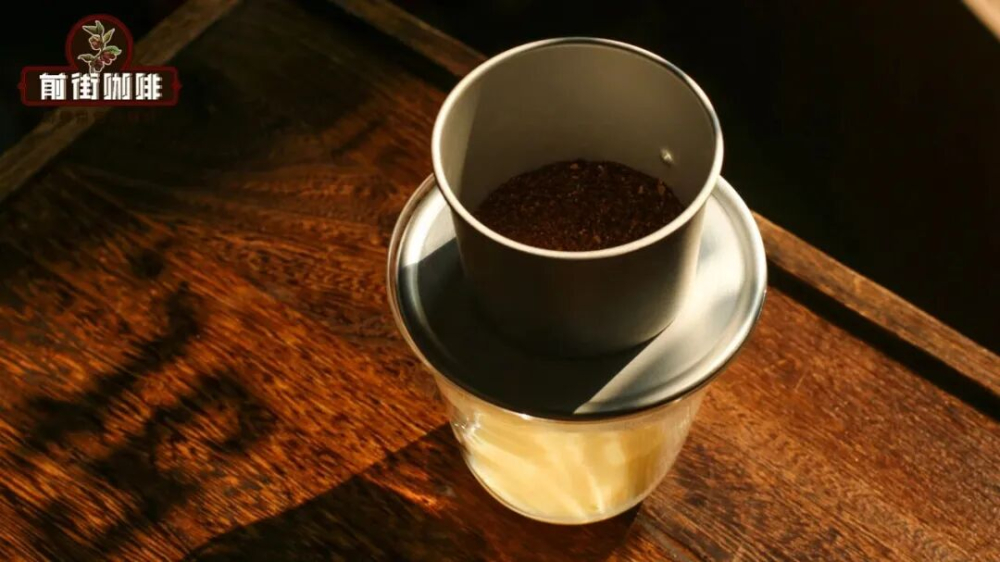
1. Squeeze about 10 g of condensed milk into the cup and place the base of the phin on the cup;
2. Weigh out 15 g of coffee grounds (a grind close to coarse sugar is recommended, such as around setting 11 on an EK43s grinder) and pour into the phin;
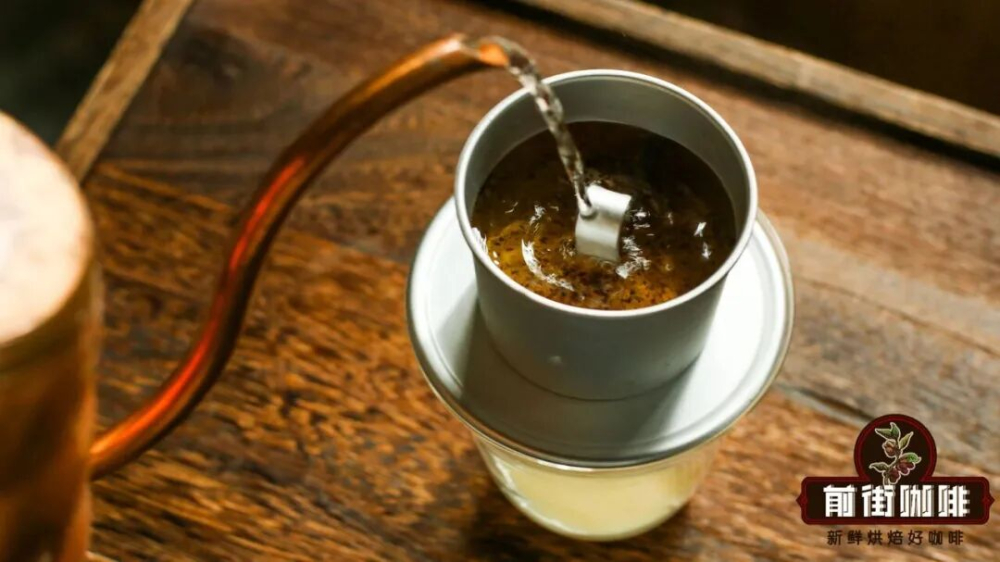
3. First pour in a small amount of hot water (about 20 g), gently wet the coffee grounds, and let sit for about 30 seconds to help release the aroma, then insert the filter screen and press lightly;
4. Pour in about 130 g of hot water at once, or slowly in two additions, to ensure even dripping;
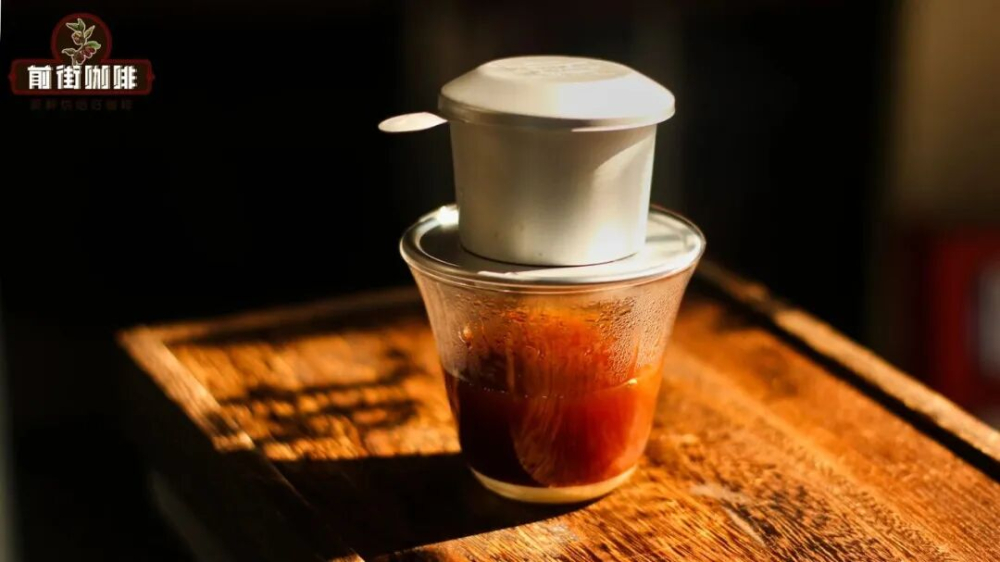
5. Put the lid on the phin to keep the press plate from floating up, and wait 3 to 5 minutes as the coffee gradually drips into the cup;
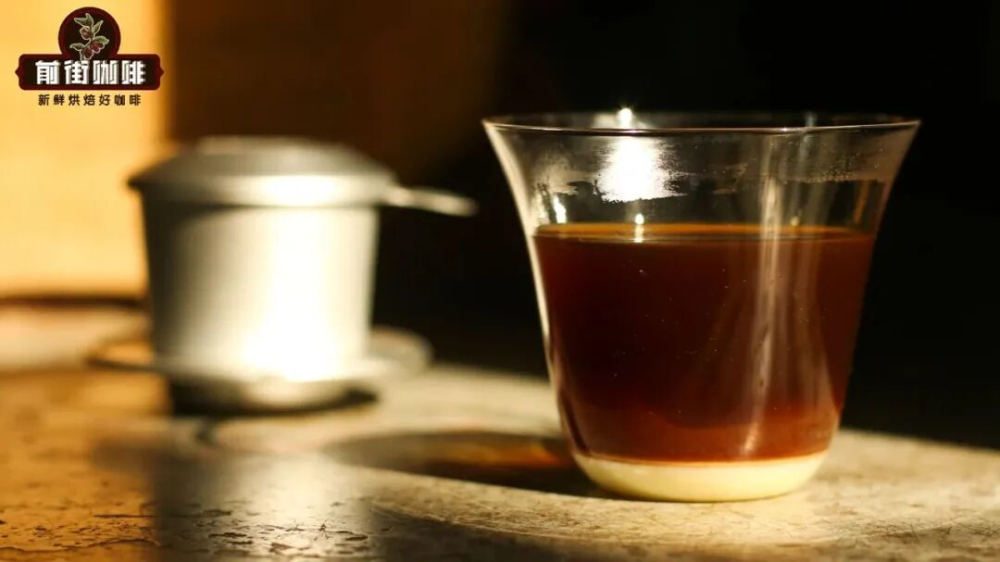
6. Once dripping is complete, taste it first to experience the pure contrast of bitter and sweet, then stir gently to let the condensed milk and coffee fully combine and enjoy the rich layers of flavor.

This traditional method not only preserves the original flavor of Vietnamese coffee but also lets you easily experience the distinctive atmosphere of a Southeast Asian street-side café at home. Whether paired with breakfast or enjoyed as an afternoon pick-me-up, a homemade cup of Vietnamese condensed milk coffee offers a unique taste experience.