Coffee Latte Art Bean Guide: How Crema and Bean Type Affect Latte Art
Introduction: To create well-defined latte art, the choice of coffee beans and the quality of crema are crucial. This article explains the types of coffee beans suitable for latte art, the formation principle of crema and its influence on latte art patterns, and also provides key espresso extraction parameters and milk frothing techniques to help coffee enthusiasts improve their skills from bean selection to latte art.
Coffee latte art is not only a visual art but also a reflection of a barista's skill. A cup of latte art coffee that combines beauty and taste is inseparable from high-quality coffee beans and rich crema. So, what kind of coffee beans are more suitable for latte art? What role does crema play in it? Below we comprehensively analyze the factors affecting latte art from bean selection to crema, and then to practical operation.
First, let's understand what blended coffee is. Blending refers to mixing two or more coffee beans in a certain proportion to achieve a specific flavor balance. Blending is not simply stacking; it complements beans from different origins, processing methods, or roast levels to create a richer and more harmonious taste. An excellent blend usually provides a stable flavor base for espresso and is also the first choice for latte art coffee.
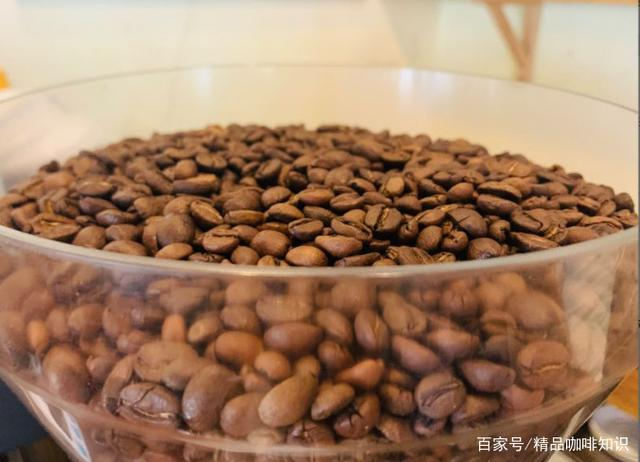
Common blends used for latte art often have the following characteristics: medium-dark roast, balanced taste, and rich crema. Such beans not only easily form thick crema during extraction but also provide a good foundation for milk foam to attach and blend. For example, a blend of Brazilian and Yunnan beans often has nutty, caramel, and mild fruit acidity, with crema showing a beautiful golden-brown color, very suitable for making latte or cappuccino latte art.
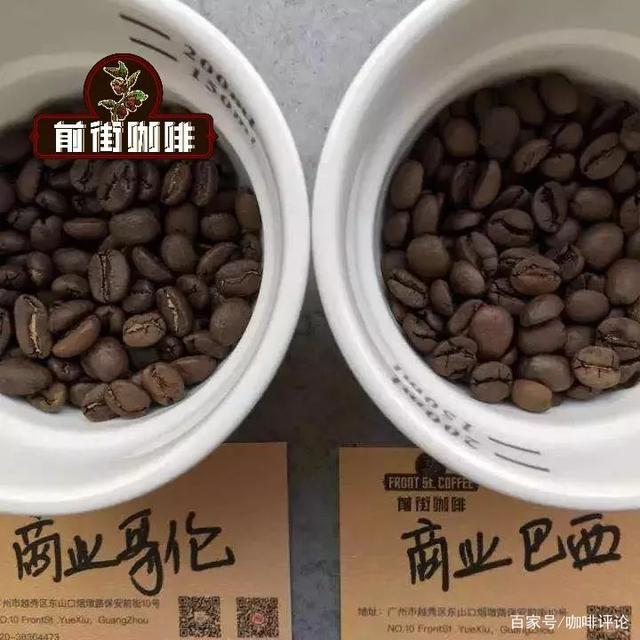
Another common blend includes a small amount of Robusta beans, which can significantly enhance the thickness and stability of crema, suitable for baristas pursuing a rich taste and visual impact. However, Robusta has a stronger flavor, so attention must be paid to the proportion when using it to avoid masking the overall flavor balance.
So, what exactly is crema? It is the golden to brown foam layer formed by carbon dioxide combining with coffee oils and fine particles during high-pressure espresso extraction. Ideal crema should be fine, viscous, uniformly colored, and moderately thick, providing a "canvas" for latte art and also being an important indicator of espresso quality.
Factors affecting crema quality include: freshness of coffee beans, roast level, grind size, extraction pressure and time, etc. Freshly roasted beans contain more carbon dioxide, helping to form rich crema; medium-dark roast can enhance the viscosity and color saturation of crema; and grinding too fine or too coarse will affect extraction uniformity, thereby affecting crema performance.
Next are the espresso extraction parameters, which directly affect crema and overall flavor:
• Water pressure: optimally 9 BAR, a common standard setting for home and commercial espresso machines.
• Water temperature: recommended range 90–92°C, can be fine-tuned according to bean type.
• Grind size: Espresso requires a very fine grind to ensure proper flow rate and full extraction.
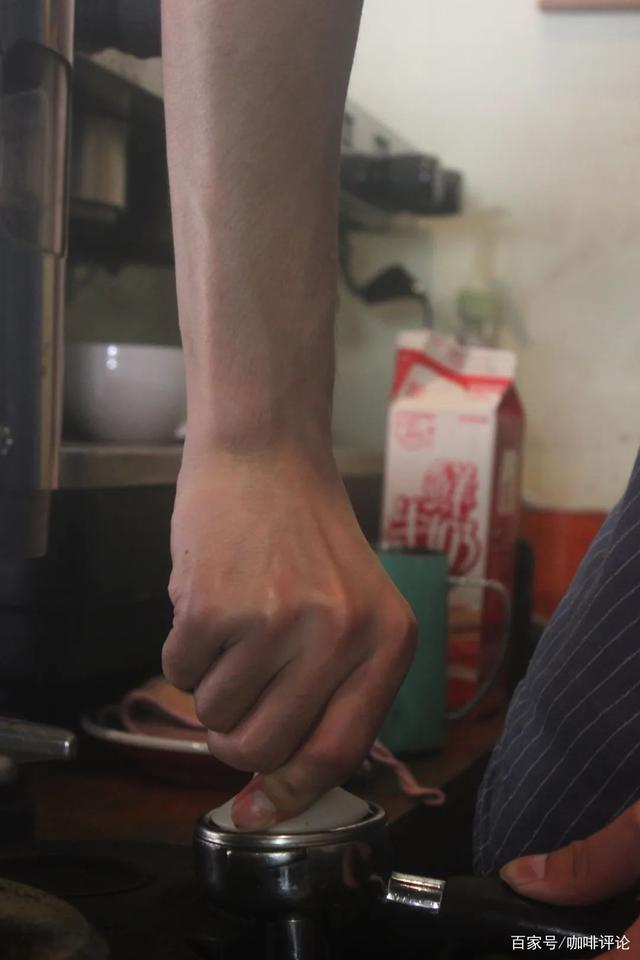
• Tamping: usually 20–30 pounds (about 9–13 kg) to ensure the puck is firm but not over-compressed.
• Dose: single 12–14 grams, double 20–22 grams.
• Extraction time: ideal range 25–28 seconds.
• Extraction yield: single 20–21 grams, double 40 grams of liquid.

Under the combined action of these parameters, a qualified espresso should present a rich aroma, full-bodied taste, and thick crema. Only such a base can support subsequent milk foam blending and latte art performance.
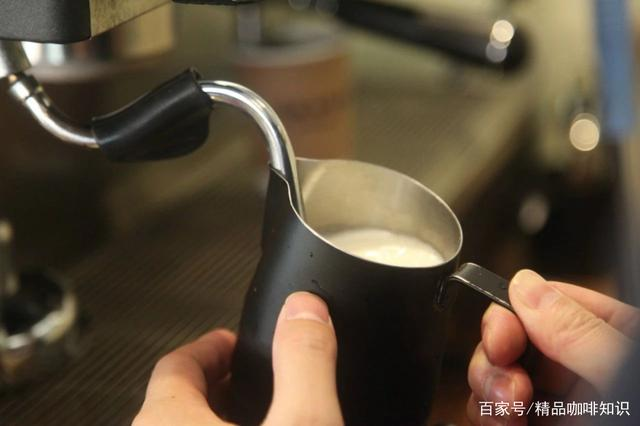
The quality of milk foam is equally critical. For latte art, it is recommended to use whole fresh milk with a fat content of 3–4%; high protein content helps form fine and stable microfoam. When frothing milk, use the steam wand of the espresso machine to evenly incorporate air into the milk during heating, forming a smooth and dense foam layer. The ideal aeration amount should not exceed 25%, and the temperature should be controlled between 60–65°C; overheating will reduce sweetness and destroy the foam structure.
The milk frothing steps are briefly as follows: pour cold milk into a milk pitcher to about 1/3 full, open the steam wand to release condensed water, place the steam tip about 1 cm below the milk surface, turn on steam to create a vortex and hear a clear "hissing" sound, indicating proper air introduction. Then gradually lower the pitcher so the steam goes deeper into the milk to break up large bubbles, ultimately obtaining fine, velvety foam.
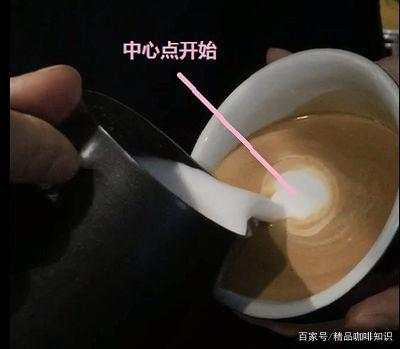
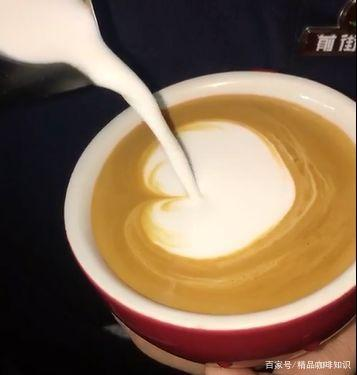
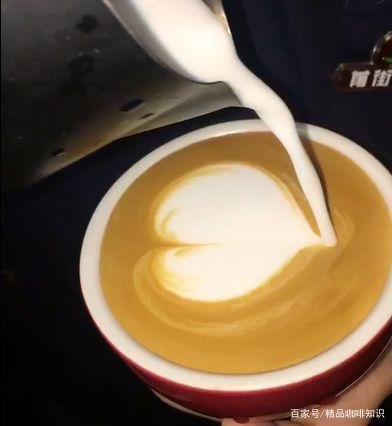
During latte art, technique and stability are key. First tilt the milk pitcher, pour a thin and concentrated stream of milk into the center of the espresso, starting at a certain height to form the initial pattern, and as the cup gradually fills, lower the pitcher height and gently shake your wrist to complete the pattern extension. Common problems for beginners are milk foam that is too coarse or poor blending, leading to blurred or layered patterns, which need to be improved through repeated practice of milk frothing and pouring angles.
In summary, to make a cup of latte art coffee, bean selection, extraction, and milk frothing are all interconnected. Choose medium-dark roasted, crema-rich blend beans, control extraction parameters to form ideal crema, and pair with fine and stable milk foam to pour well-defined, beautiful and delicious patterns.