El Limoncillo in Nicaragua's Matagalpa Region: 5 Coffee Varieties Explained
Introduction: Benefiting from a unique highland microclimate and a diverse mix of varieties, El Limoncillo in Nicaragua's Matagalpa region produces specialty coffee with layered flavors. This article takes an in-depth look at the growing altitudes, processing details and flavor profiles of the estate's 5 core varieties (including the rare Maragogipe giant bean), and adds variety-selection and pour-over advice to help you find your ideal Nicaraguan coffee experience.

In the specialty coffee world, Nicaragua is not a mainstream producing country, yet its small-scale, meticulous farming and organic management have given rise to many outstanding estates. Among them, El Limoncillo in the Matagalpa region, with its coniferous-forest shade at 950-1300 meters and a lineup that includes distinctive varieties such as Maragogipe and Pacamara, is an excellent window into Nicaraguan coffee flavors.
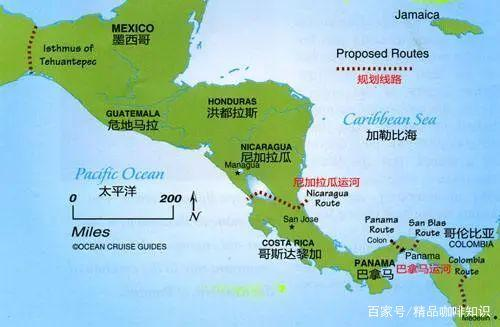
Nicaragua lies in the center of Central America, bordered by Honduras to the north and Costa Rica to the south, with the Caribbean Sea to the east and the Pacific Ocean to the west. Its terrain is varied: the central-northern highlands (average annual temperature 18°C, annual rainfall 1500-2500mm, with the rainy season from May to December), the low, flat jungle swamps of the east, and the lowlands of the west, dotted with volcanoes and lakes. This complex geography and climate give coffee growing a natural advantage—especially the fertile volcanic-ash soil of the central highlands, where shade growing and traditional organic management (local farmers mostly refrain from chemical fertilizer due to limited funds) produce the classic Nicaraguan profile: mellow and fragrant, with balanced acidity and bitterness.
Nicaragua's coffee industry has weathered many ups and downs: it got its start in the mid-19th century by seizing the opportunity of high Brazilian coffee prices, then stalled amid political turmoil (wars of independence, civil war and so on) until gradually recovering after the political situation stabilized in 1990. Today the country has about 40,000 coffee farmers, mostly family-run small estates, with an emphasis on traceability (traceable to a single estate or cooperative), giving it a distinctive place in the international specialty coffee market.
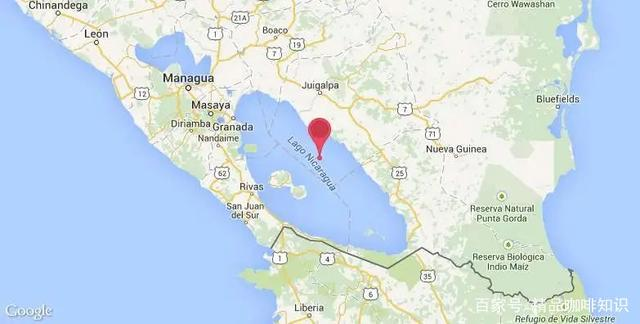
Of the country's four main producing regions, Segovia (Nueva Segovia), Matagalpa and Jinotega are the specialty coffee heartland. Matagalpa sits at 1100-1400 meters, with a harvest from December to February, mainly growing Caturra and Bourbon; Jinotega sits at 1100-1700 meters, with a harvest from December to March, mainly growing Caturra and Bourbon; Nueva Segovia sits at 1100-1650 meters, with a harvest from December to March, mainly growing Caturra, Catuai and Bourbon. The Matagalpa region, home to El Limoncillo, is a well-known source of the giant bean "Maragogipe."
El Limoncillo was established in 1932, with growing areas spread across highlands at 950-1300 meters; the towering coniferous forest around it not only provides moderate shade for the coffee trees (preventing sunburn) but also regulates the microclimate's humidity. Picking is strictly done by hand, selecting ripe cherries one by one (usually in three passes); though less efficient, this preserves the integrity of the fruit as much as possible and enhances the final sweetness.
The estate's 5 varieties each have their own character: Maragogipe, at 10% of plantings, is a natural Arabica mutation (commonly called the "elephant bean"), with beans 30%-50% larger than ordinary coffee beans; because it is sensitive to soil fertility (poor soil easily makes the flavor flat), it shows its unique charm only in premium growing areas. Pacamara, at 30%, is a hybrid bred in El Salvador in 1958 (its parents being Pacas and Maragogipe), known for lively acidity, often with biscuit aromas and fruity notes, and outstanding body and mouthfeel. Bourbon, at 25%, is a classic Typica variant; Red Bourbon (the common type), when grown at high altitude, has intense aroma, bright acidity like red wine, and layered flavors. Catuai, at 20%, is a cross of Mundo Novo and Caturra, inheriting Caturra's strong wind resistance (the fruit does not drop easily) and short tree shape; though slightly less complex in flavor than Caturra, it is highly consistent. Nicaragua Java (Java long bean), at 15%, originates from the Indonesian island of Java and mostly has a short bean shape (the long bean is rare); it has weak disease resistance but a clean, delicate flavor, and in 2007 took second place in Nicaragua's Cup of Excellence with its varied spice notes and tropical-fruit sweetness, fetching a bid price higher than that year's champion.
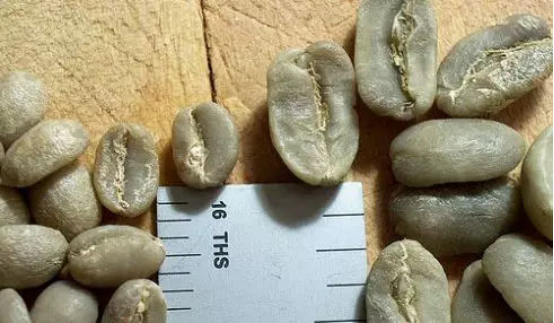
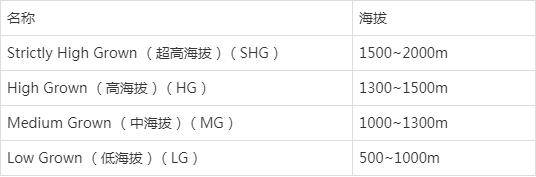
Nicaraguan coffee is graded by altitude: Strictly High Grown (SHG, 1500-2000 meters), High Grown (HG, 1300-1500 meters), Medium Grown (MG, 1000-1300 meters) and Low Grown (LG, 500-1000 meters). El Limoncillo's main elevation of 950-1300 meters means some areas meet the high-grown standard; combined with shade growing and hand picking, this ensures the coffee's refined mouthfeel.
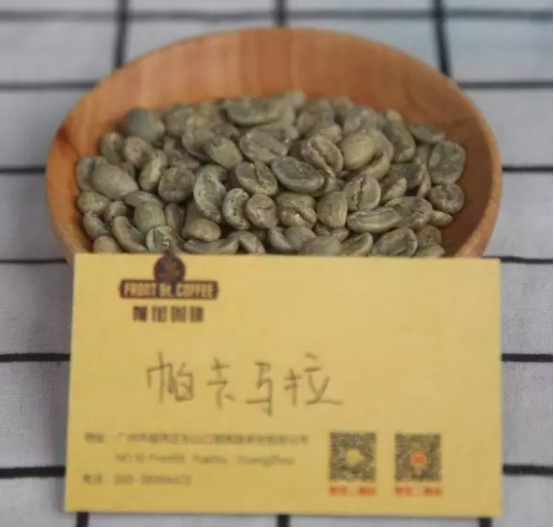
For coffee lovers, El Limoncillo in Nicaragua's Matagalpa region is worth trying: if you prefer a rich, full-bodied cup, choose Maragogipe (though note it is hard to get for everyday drinking due to low yields); for lively fruit acidity and mouthfeel, Pacamara is the top pick; for classic balance and red-wine flavors, Red Bourbon will not disappoint. Pour-over advice: medium-fine grind (70%-75% passing a Chinese standard No. 20 sieve), water temperature 90-92°C, coffee-to-water ratio 1:15-1:16, staged extraction (first pour to one-third and let it bloom for 30 seconds, then pour slowly to finish), which fully brings out its layered flavors.