Salvadoran Pacamara Coffee: Flavor Analysis and Growing Guide
Introduction: Want to know why Pacamara coffee impresses judges at international competitions? This unique variety from El Salvador combines the size of Maragogipe with the refined flavor of Pacas, and has been dubbed the "giant baby" of the coffee world. This article takes an in-depth look at how El Salvador's volcanic soil nurtures this distinctive coffee bean, from regional characteristics to growing challenges, giving you a comprehensive understanding of Pacamara's charm and potential.
Although El Salvador is less well known in the international coffee market than Colombia or Panama, the Pacamara coffee variety it produces has repeatedly won honors at specialty coffee competitions. This variety, bred by crossing the Typica-derived Maragogipe with the Bourbon-derived Pacas, has become a treasure in the eyes of coffee lovers and roasters thanks to its plump beans and complex flavor layers.
Pacamara was born from the ingenuity of Salvadoran coffee researchers—in 1958, through artificial selection they combined the excellent cup quality of Pacas with the large size of Maragogipe, creating this unique variety in which more than 90% of beans are screen size 18 or above. Its beans are about 1.03 cm long, more than 20% larger than ordinary coffee beans but slightly smaller than pure Maragogipe; the bean shape is plump and rounded, with an average length of 1.03 cm, width of 0.71 cm and thickness of 0.37 cm.
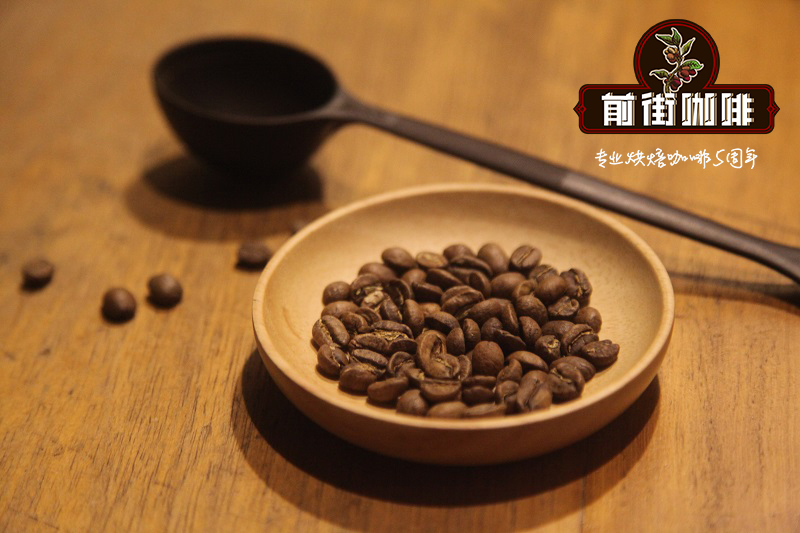
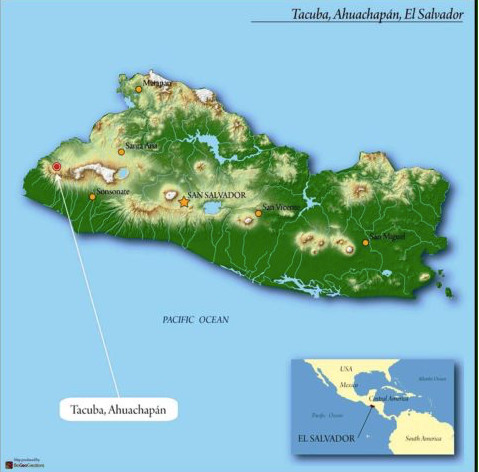
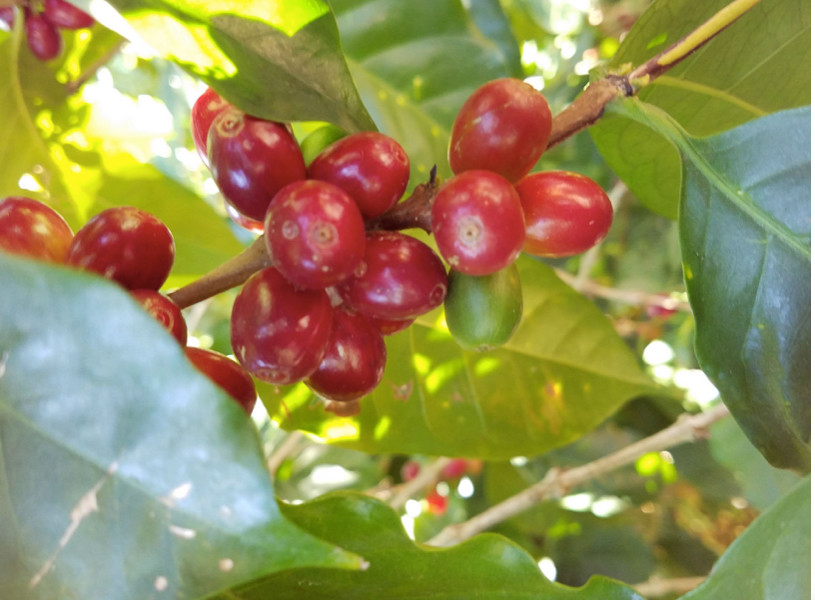
El Salvador is known as the "Land of Volcanoes." Its volcanic soil is rich in minerals, and shade growing is often used, providing an ideal environment for coffee trees. The country's terrain consists mainly of mountains and highlands, with the Pacific Ocean to the south, giving it exceptional geographical conditions. Coffee farms here make full use of the fertile volcanic soil to produce coffee cherries with distinctive flavors.
El Salvador is divided into six coffee regions nationwide, and the differences in microclimate and soil give each region's coffee different flavor characteristics. The Apaneca-Ilamatepec region in the western mountains produces coffee with soft notes of peach, cream and chocolate, paired with a slight citrus acidity; the central Chichontepec region is known for its chocolate sweetness and orange aroma; the southwestern Bálsamo-Quezaltepec region produces creamy, full-bodied and smooth coffee. In addition, the melon and ripe-fruit sweetness of the Tecapa-Chinameca region, the vivid aroma of the Alotepec region and the almond notes of the Cacahuatique region together form the diverse flavor map of Salvadoran coffee.
As El Salvador's signature variety, Pacamara stands out especially in the cup. This coffee usually shows lively acidity and multifaceted layers, possibly accompanied by biscuit-like or tropical fruit notes, with both body and oily mouthfeel of high quality. Professional roasters recommend a medium-dark roast to balance its bright acidity with rich sweetness; for pour-over, a water temperature of 90-93°C and a coffee-to-water ratio of 1:15 to 1:16 are suggested, with a slow pouring rhythm to fully extract the flavor compounds.
According to research by the International Food Policy Research Institute (IFPRI), El Salvador is expected to lose more than 35% of its coffee-growing area by 2050 due to climate change. Current annual Pacamara production is about 3.225 million bags (60 kg each), but actual capacity is trending downward, making Pacamara from high-quality regions all the more precious. The country's coffee grading system is strict and based on altitude: SHB (Strictly High Grown, above 1,200 meters), HEC (High Grown, 900-1,200 meters) and CS (Central Standard, below 900 meters); generally, the higher the altitude, the better the coffee quality.
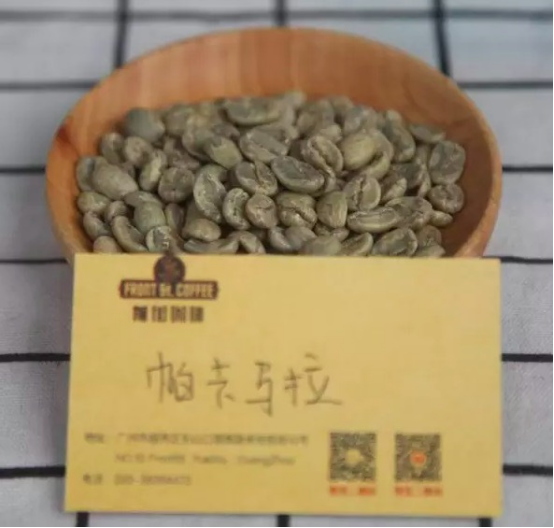
When buying Pacamara coffee, you can prioritize beans from the Apaneca-Ilamatepec or Tecapa-Chinameca regions, which are known for producing batches with high flavor complexity and good consistency. For storage, keep the beans away from light and moisture; use packaging with a one-way degassing valve and store in a cool environment at 10-20°C. For consumers trying Pacamara for the first time, start with a light-medium roast to explore its bright acidity, then gradually move on to the full-bodied mouthfeel of a medium-dark roast.