Ethiopian Sidamo Huakui Natural G1: Flavor Analysis and Brewing Guide
Introduction: An in-depth analysis of the unique flavor characteristics and processing methods of Ethiopian Sidamo Huakui Natural G1 coffee beans, from the geography of the producing region to the details of natural processing, comprehensively explaining the origins of this popular coffee's strawberry-cream aroma and black tea finish. Professional pour-over parameter suggestions and flavor evolution patterns are provided to help you precisely grasp the key tasting points of this champion-grade coffee.
When Ethiopian specialty coffee is mentioned, most people first think of the signature bright lemon acidity and citrus florals of Yirgacheffe, often overlooking the country's other core producing region—Sidamo. In fact, this region, equally famous as Yirgacheffe, is the birthplace of the 2017 TOH green bean competition champion Huakui coffee. By analyzing the full production chain of this natural G1 coffee, you will understand why it can overturn the single impression of Ethiopian coffee with its unique berry profile.
Although Ethiopia is known worldwide for washed processing, the natural method has always dominated, with about seventy percent of coffee still traditionally sun-dried. What makes Sidamo Huakui special is that it comes from the Guji sub-region—an emerging specialty coffee belt only separated from Sidamo in 2010. This area is covered with highlands above 1,800 meters, mineral-rich black volcanic soil reaching two meters deep, and a microclimate with significant day-night temperature differences, creating ideal conditions for coffee cherries to accumulate sugars.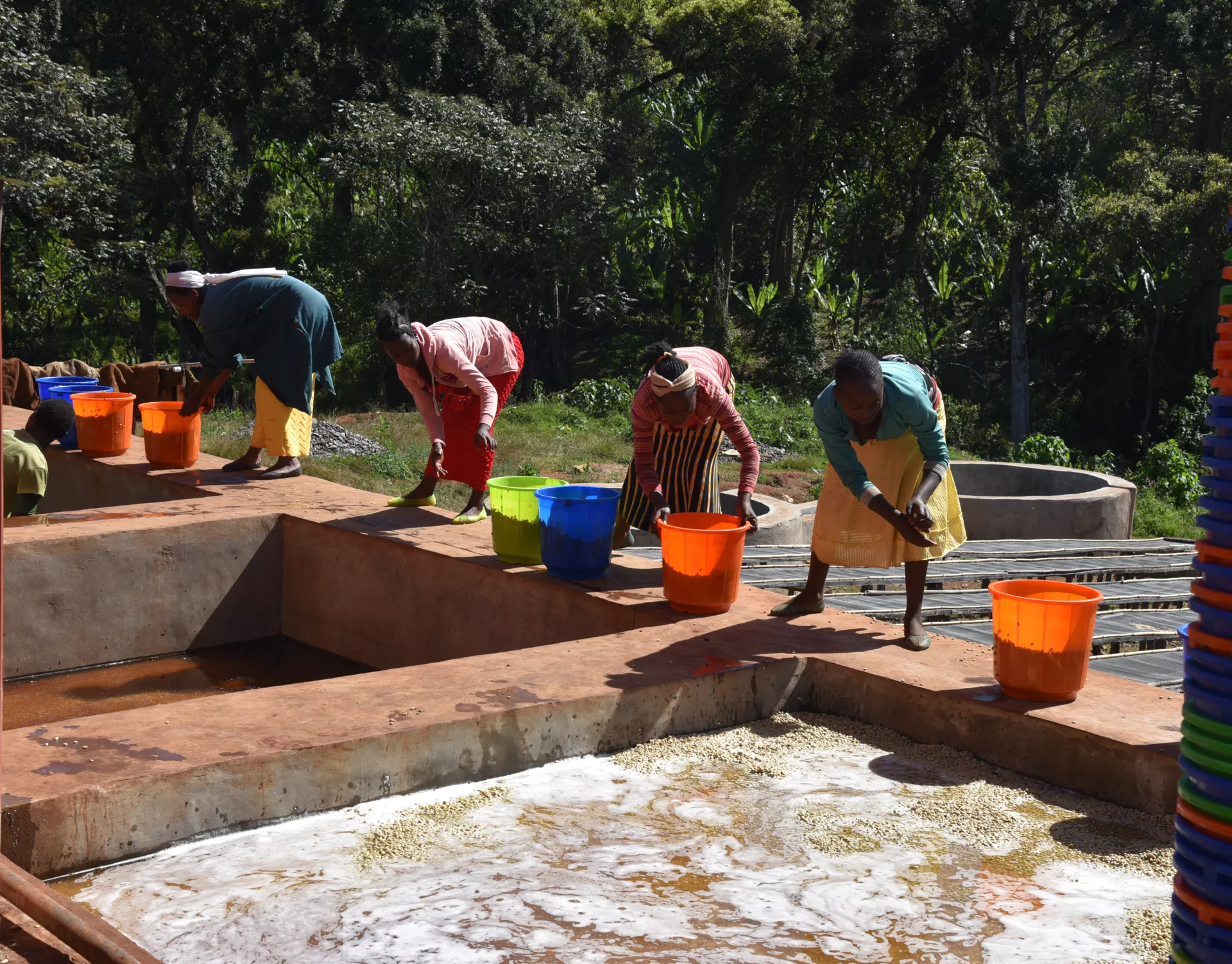
The origin of the name "Huakui" is rather dramatic: when a Beijing green bean merchant introduced this natural lot from the Buku Abel processing station in 2017, its competition name "Hambela" was not yet widely known. In that year's Chinese coffee competition, a non-Geisha category contestant used these beans to defeat many competitors and win second place; because the Japanese pronunciation of Geisha is associated with "geiko" (courtesan), the name "Huakui" (meaning the top courtesan) was bestowed, implying the pinnacle of the coffee world. It is worth noting that this variety is actually an Ethiopian heirloom and has no direct relation to Panama Geisha.
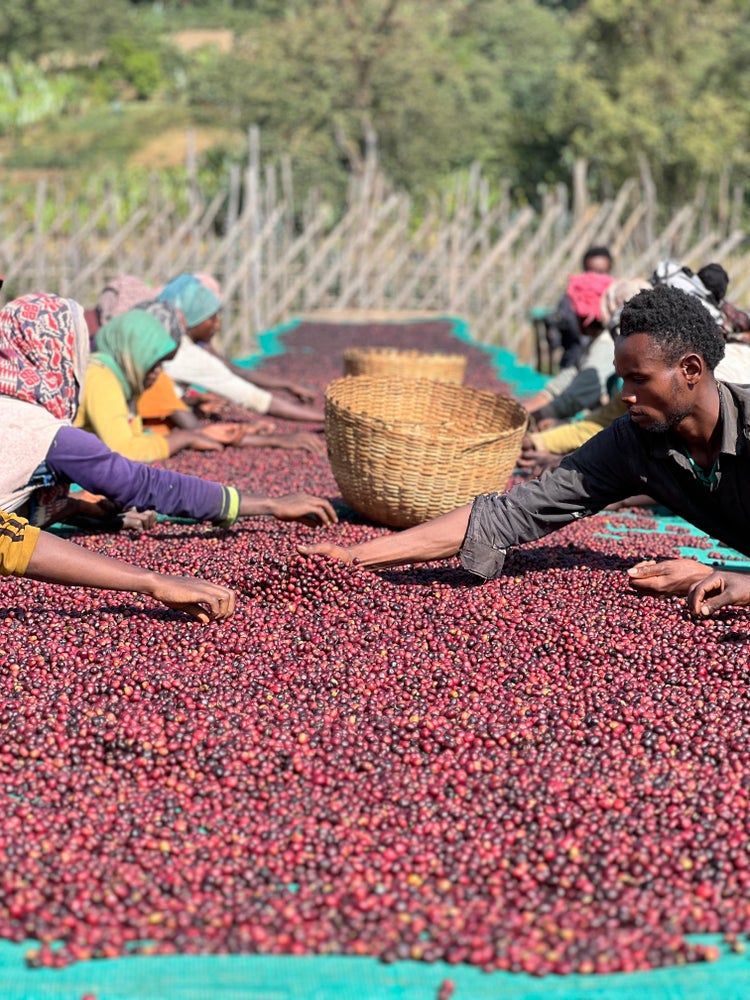
The core producing area, Hambela Farm, belongs to the METAD agricultural group; this modern 200-hectare processing station is only 75 kilometers from Yirgacheffe. The farm owner, Aman Adinew, comes from a coffee family—his grandmother opened a plantation in Sidamo as early as the last century. METAD uses refined management, purchasing fresh cherries from smallholder cooperatives above 2,000 meters and ensuring consistent quality through professional washing/natural equipment.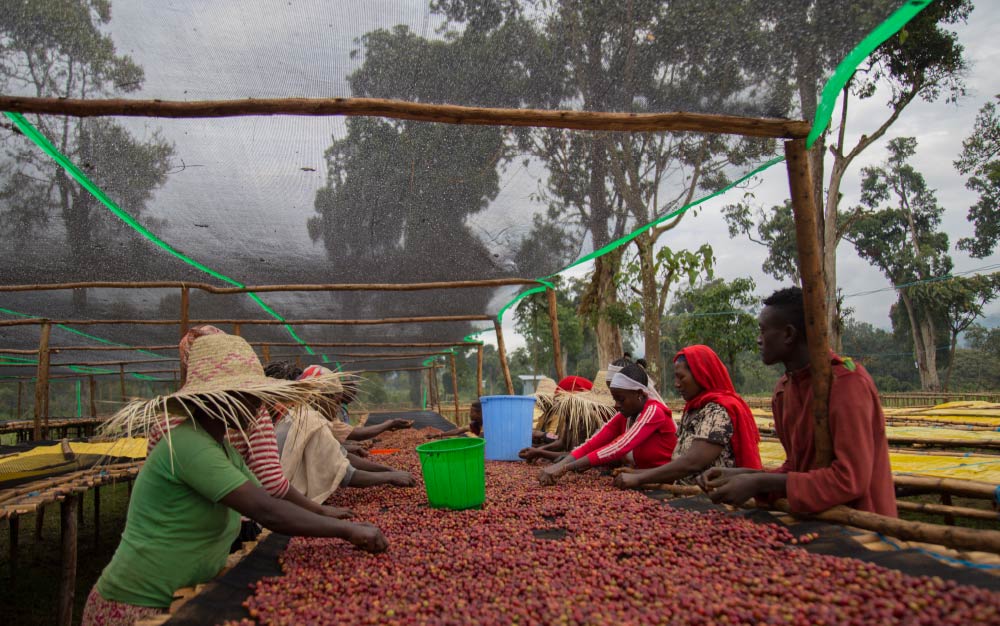
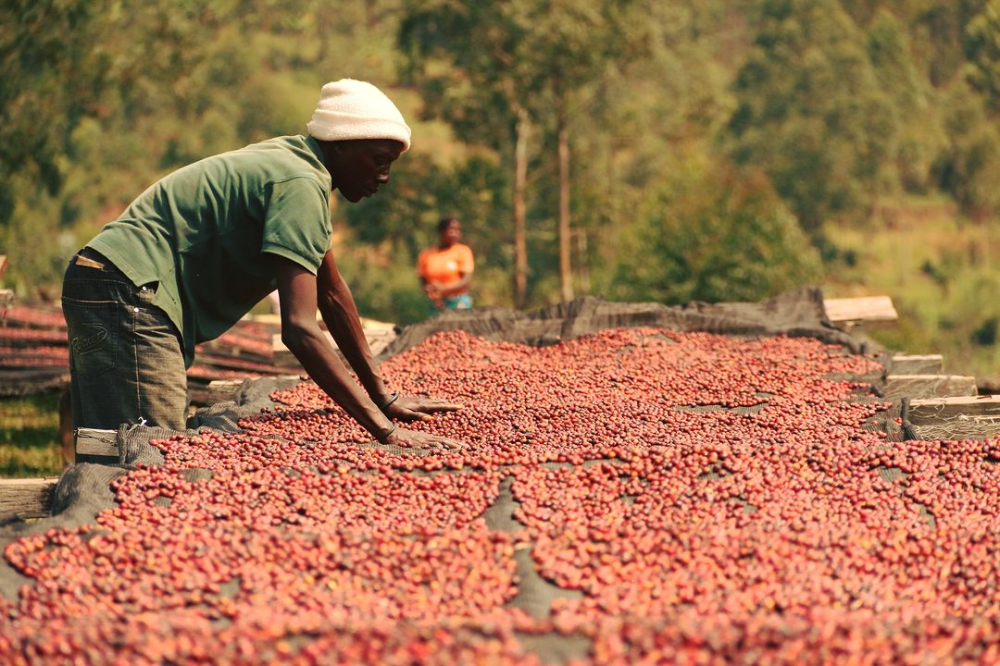
The processing of Huakui Natural G1 is textbook-level: during harvest, only fully red cherries are strictly selected; after flotation to remove impurities, the coffee cherries are spread in thin layers (thickness ≤5cm) on African drying beds. For the first 3 days, they must be turned every 2 hours to prevent localized overheating, while maintaining an ideal daytime drying temperature of 25-30°C. When the moisture content drops to 11-12% (a cycle of about 14-18 days), the fruit turns dark brown with evenly wrinkled skin and can be stored.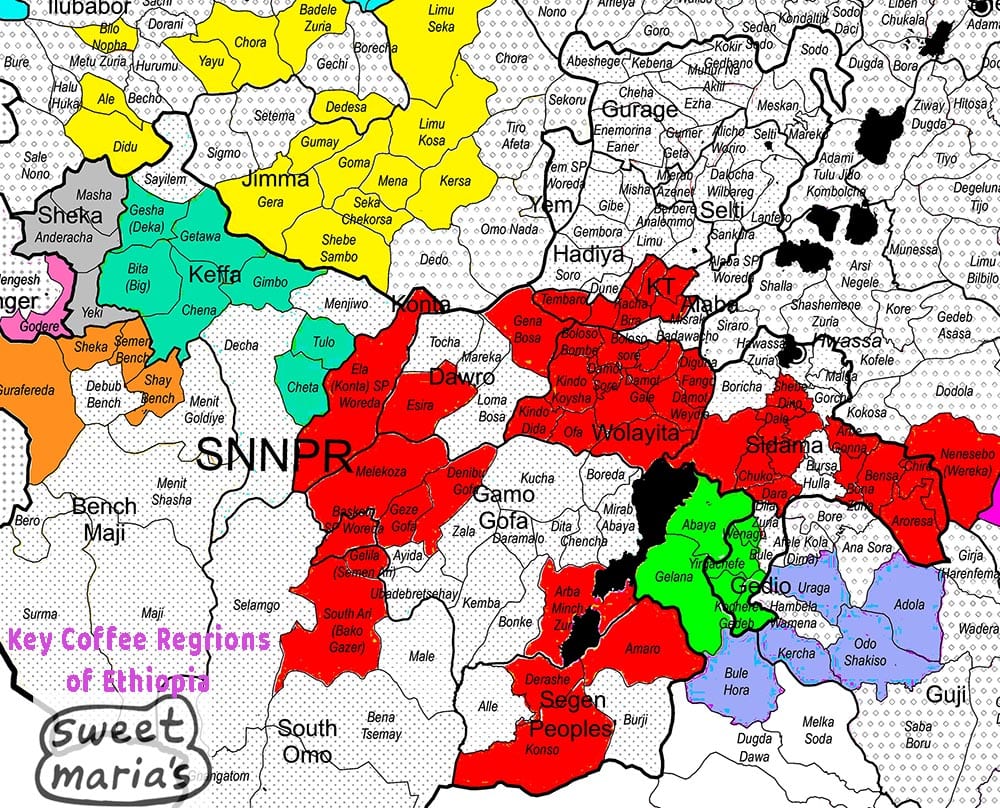

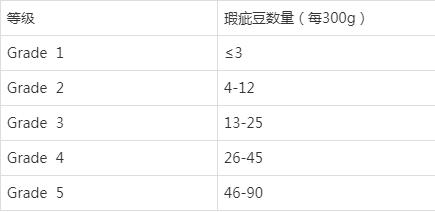
Since rising to fame in 2017, this series has been continuously iterated; the numbering from Huakui 2.0 to 6.0 essentially reflects flavor fine-tuning caused by annual climate differences. Although subtle yearly variations exist—such as the 2020 batch highlighting mango notes and 2022 strengthening rose aroma—the core berry base and black tea finish remain stable. The G1 grade means no more than 3 defects per 300 grams of green beans, far exceeding the specialty coffee standards of the Ethiopian Commodity Exchange (ECX).
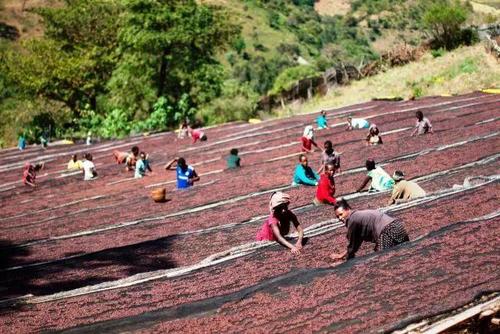
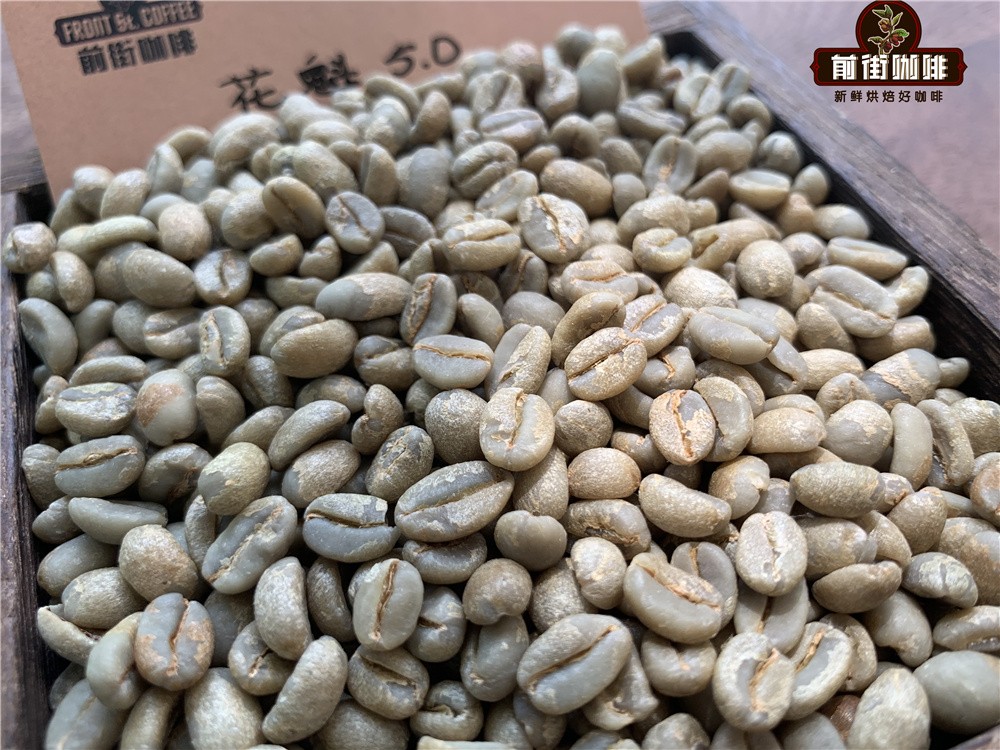
The heirloom characteristics give Huakui a unique bean shape: small beans with high density (mostly screen size 14-15), requiring an extended dehydration phase during roasting. In terms of flavor, natural processing brings a layered explosion of tropical fruit—passion fruit and citrus acidity appear in the initial stage, transitioning to ripe strawberry and peach sweetness in the middle, with a mellow oolong tea-like finish. It is recommended to observe through cupping its bright acidity emerging within 15 seconds and sweetness persistence lasting over 30 seconds.
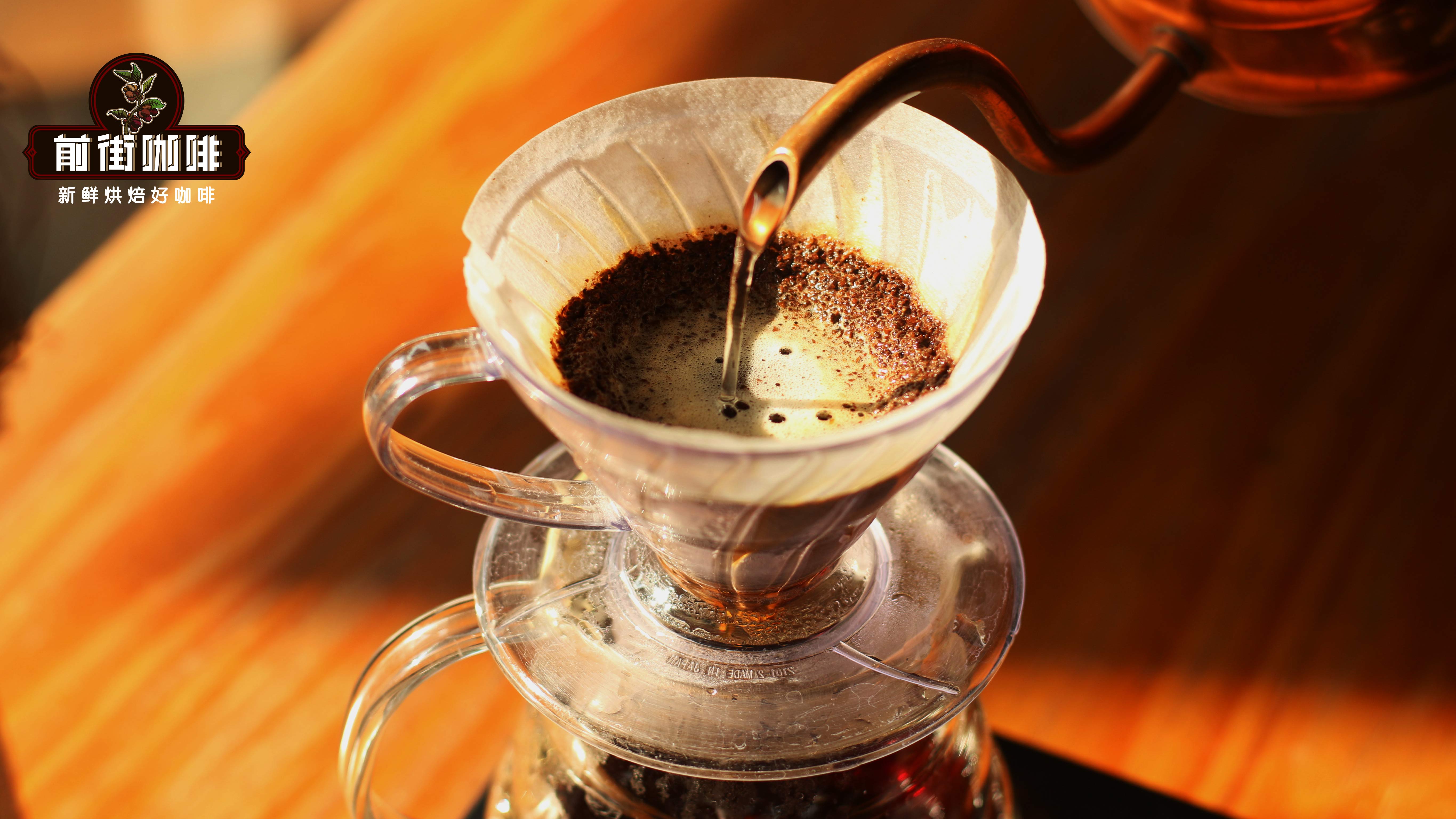
For home brewing, a V60 dripper with 90°C water is recommended: grind setting at 80% passing through a Chinese standard No. 20 sieve (equivalent to medium-fine grind), with a coffee-to-water ratio of 1:15. When pouring, use a "center radial + spiral outward" technique: after the first pour reaches a 1:10 weight ratio, bloom for 30 seconds, then continue with staged pours while keeping the flow steady. Pay special attention to avoiding over-extraction that causes tannic astringency; it is recommended to keep the total extraction time at 2 minutes 10 seconds ±10 seconds.
Ethiopia's coffee grading system deserves attention: before the ECX was established, a defect-count method was used (G1 ≤3 per 300g), while the current standard adds a cupping score dimension (G1 requires ≥85 points). The outstanding quality of Huakui G1 comes from a triple guarantee—high-altitude cultivation (2,200-2,500 meters), hand picking (only fully red cherries), and precise drying (daily moisture loss rate ≤0.5%). For storage, use one-way valve foil bags and keep in a dark environment at 18-22°C to slow flavor degradation.
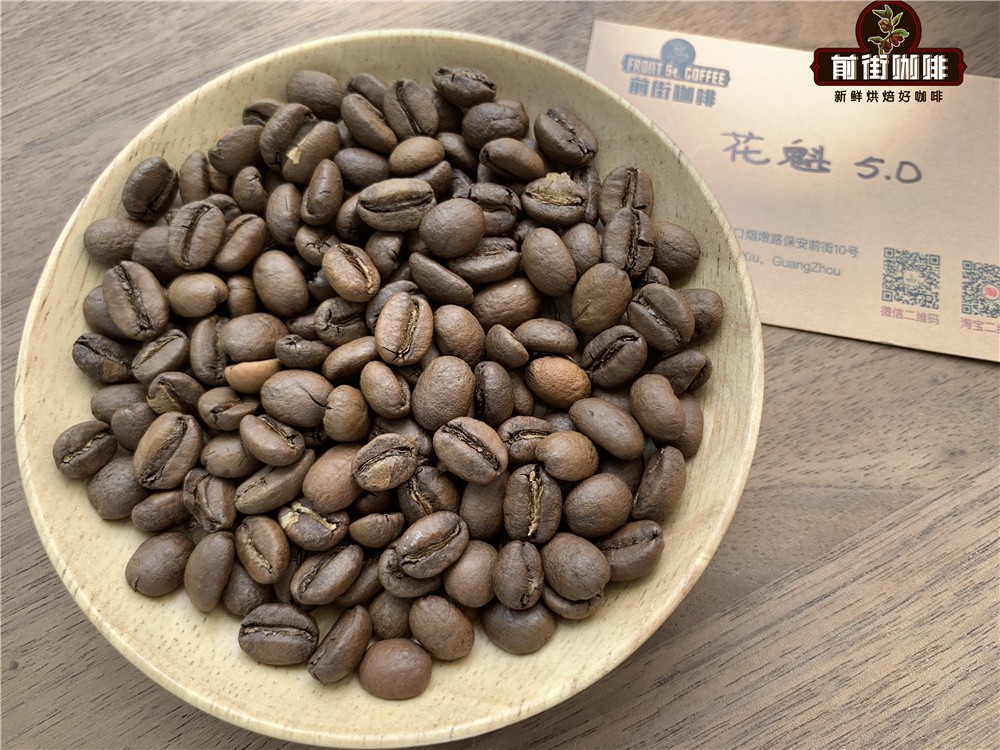
Professional advice: freshly roasted coffee beans (5-14 days after roasting) show the best flavor, and a resting period of about 5 days allows carbon dioxide to be fully released. If choosing pre-ground coffee, it must be used within 72 hours after opening—aromatic substances in ground coffee lose about 15% per hour. Comparative tests show that, under the same parameters, freshly ground beans have 40% higher sweetness intensity than coffee powder and 2-3 more acidity dimensions.
Regarding brewing equipment compatibility, besides the V60, the Kalita Wave 185 flat-bottom dripper is also a good choice (a slightly coarser grind, about 10% coarser, is recommended). Cold brew processing can amplify its berry profile: use a 1:8 coffee-to-water ratio, steep refrigerated for 16 hours, and after filtering obtain a specialty coffee with a refreshing grape-juice-like mouthfeel. Note the flavor differences at various altitudes—brewing in highland areas may strengthen the black tea finish, while coastal cities more easily highlight citrus acidity.
In summary, Sidamo Huakui Natural G1 represents the top level of Ethiopian heirloom coffee: its complex processing, strict quality control, and distinct regional flavor together form the core competitiveness of this champion bean. Whether you seek a bright fruity acidity experience or want to explore the mellow possibilities of natural processing, this coffee from the Horn of Africa deserves a place on your specialty coffee collection list.