Ethiopian Yirgacheffe Coffee Beans: Varieties, Flavor, and Pour-Over Guide
Introduction: Yirgacheffe is the entry point of choice for specialty coffee lovers worldwide—why is its distinctive citrus and floral character so unforgettable? This article takes a deep look at the geographic advantages of this high-altitude Ethiopian region, the differences among processing methods, compares washed and natural flavor profiles, and offers professional-grade pour-over parameter recommendations to help you precisely capture that signature citric acidity and white florals.
For many coffee beginners, the palate's awakening begins with an unexpected moment—when the first sip of coffee with both bright acidity and elegant florals slides down the throat, years of preconceptions about bitter drinks are overturned. That overturning often comes from the same name: Yirgacheffe. This coffee region in Ethiopia, with its unreplicable regional flavor, has become a must-try classic on coffee lovers' shelves worldwide.
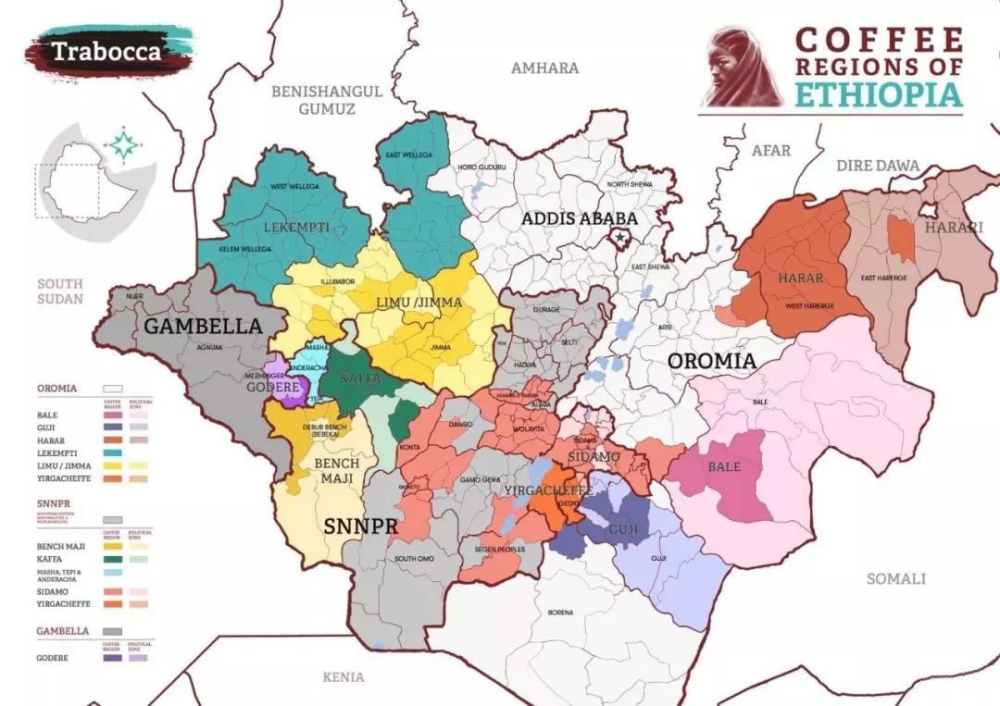
The Yirgacheffe region lies in the Gedeo Zone at 1,700–2,100 meters above sea level, where year-round morning mist and a mild climate create a unique micro-ecology. The diurnal temperature swing here can exceed 10°C, prompting the coffee fruit to slowly accumulate sugars and ultimately form its signature citric acidity and jasmine/white floral compound aroma. Notably, the coffee-growing altitude in this region is generally higher than that of ordinary commercial bean regions (typically 1,200–1,500 meters), an important cause of its flavor complexity.
As for the origin of the region's name, in the local Oromo language, "Yirga" means "to settle" and "Cheffe" refers to "wetland," confirming the land's moist character since ancient times. Although historically it long belonged to the Sidamo region, because of its one-of-a-kind delicate floral character (a flavor trait other regions find hard to replicate), it was eventually divided into an independent region in the late 20th century. This flavor uniqueness even triggered market disorder—producers outside the region once widely misused the "Yirgacheffe" label.
The choice of processing method directly affects the final flavor presentation. The traditional natural process (as shown in the image 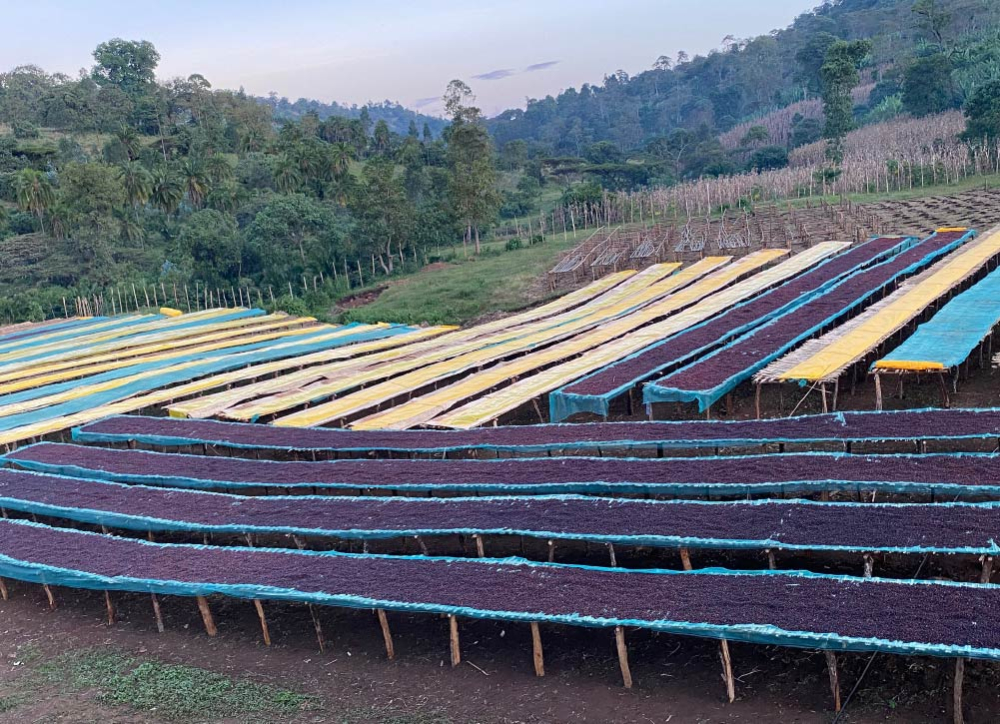 ) lays whole coffee cherries directly on raised beds to dry for 12–21 days, during which they are turned 3–4 times daily to ensure even drying. The natural sugars in the mucilage permeate the seed during slow dehydration, giving the coffee fuller sweetness (typically reaching 6–8 on a sweetness scale) and winey, fermented aromas. The modern washed process, by contrast, removes the mucilage through fermentation tanks (fermentation times ranging from 12 to 36 hours), producing bright citrus acidity (pH 5.2–5.6) and a clean, layered mouthfeel.
As for the specific flavor differences: natural Yirgacheffe commonly shows dark berry notes (such as blueberry/blackcurrant), accompanied by tropical fruit aromas from fermentation (mango/pineapple), with prominent sweetness and a lingering finish; the washed version is dominated by lemon/lime-type acidity, paired with white florals such as jasmine/orange blossom, with a clean mouthfeel like spring water. Professional roasters suggest that natural beans suit consumers seeking sweetness and body, while washed lots better suit drinkers who prefer fresh acidity.
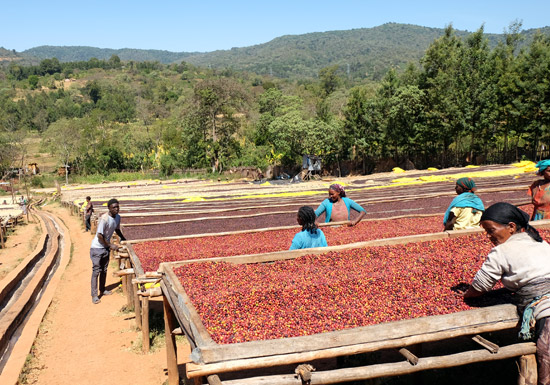
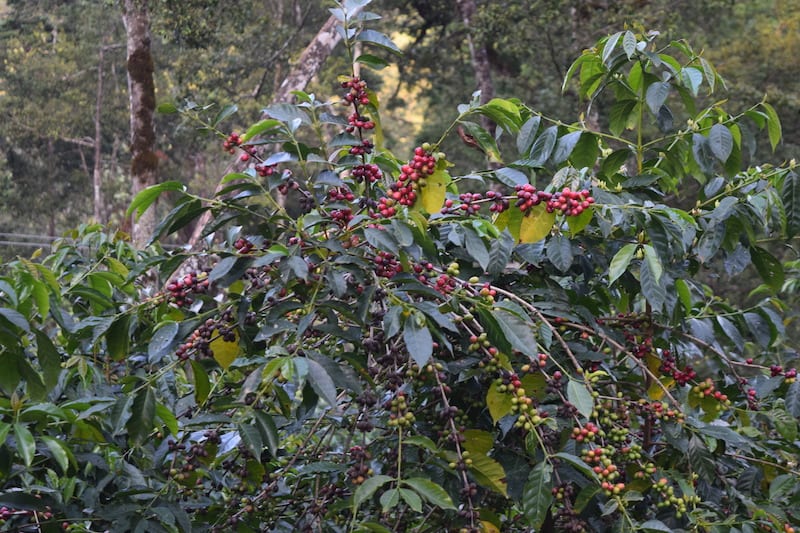
The variety label "Heirloom local landraces" actually covers more than 6,000 unclassified Arabica variants within Ethiopia (International Coffee Organization 2022 data). These ancient varieties, shaped by centuries of natural selection, though not precisely named, harbor unique disease-resistance genes and flavor potential. Because the government restricts the outflow of genetic data, the industry uniformly uses "heirloom" as a catch-all term; most of them are natural variants of Typica and Bourbon.

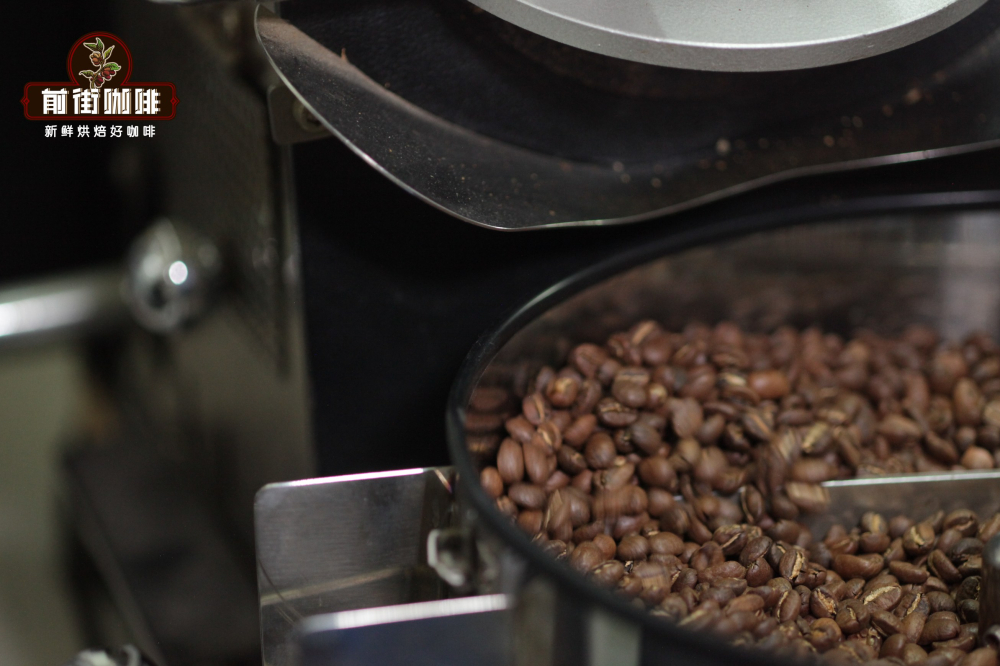
For home brewing, a medium-light roast (Agtron 65–75) is recommended to preserve the floral and fruity notes. Specific parameters for reference: when using a V60 dripper, keep the water temperature at 90–92°C (±1°C), with a grind equivalent to 80% passing through the Chinese standard No. 20 sieve (about the texture of fine granulated sugar). Pour using a "center pour plus spiral outward expansion" technique: a first phase of 30 grams of water for a 30-second bloom (activating carbon dioxide), then staged pours up to a total of 225 grams, with the total time controlled at 2 minutes 10 seconds to 2 minutes 30 seconds. Special note: a resting period of 5–7 days after roasting is recommended, during which the original package should be stored with the degassing valve facing up.
For consumers new to single-origin coffee, we suggest first trying a washed, medium-light roasted batch—its clear sweet-acid balance (acidity intensity 3/5, sweetness 4/5) makes it easier to build flavor recognition. Advanced enthusiasts can compare differences among processing methods within the same region: natural lots usually show more pronounced body (medium-full) and fermented aromas, while washed lots are distinguished by higher brightness (sharpness of acidity). Pairing the two with different desserts (such as natural with a citrus tart, washed with a lemon tart) can yield a richer tasting experience.
A final reminder: even freshly roasted coffee beans (roasted 10–20 days ago) should still be kept sealed and away from light after opening. The optimal flavor period typically lasts 4–8 weeks; before each grinding, gently shake the bean bag to distribute the beans evenly. If the ground coffee shows an obvious rancid, oily smell (similar to old paint), storage conditions may have been improper, and moisture-proof measures should be checked.