Ethiopian Berry Tea-Like Coffee Beans and Pour-Over Guide

Introduction: Want to experience a fresh coffee flavor with berry tea-like notes? This article recommends high-quality washed coffee beans from Ethiopia, explains their berry and citrus notes in detail, and provides a professional pour-over plan, including coffee-to-water ratio, grind size, pouring technique, and temperature control, to help you easily brew a layered cup with fruity aroma and tea-like charm.
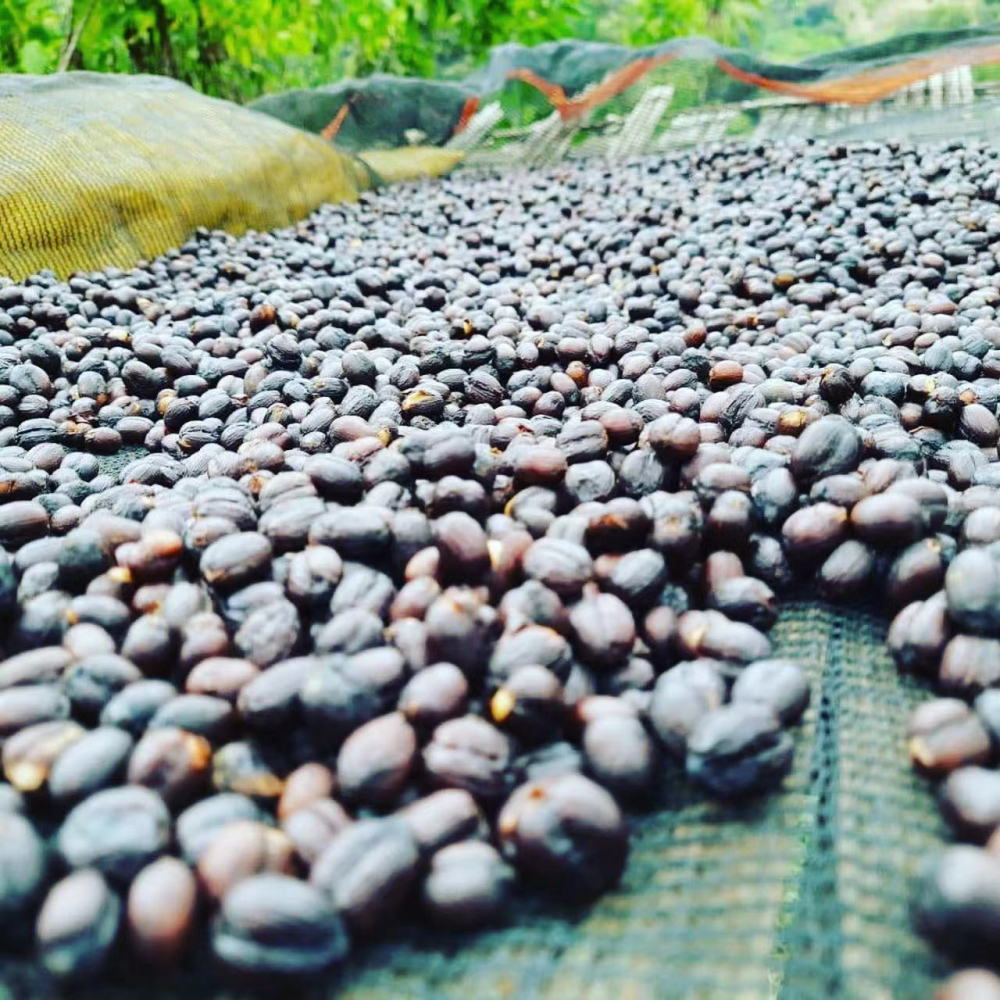
Berry is not a single fruit but a general term for a class of small, juicy berries. In the flavor wheel updated by the SCA in 2016, berry is listed as a separate category, covering common varieties such as strawberry, blueberry, raspberry, and blackberry, as well as mulberry and cranberry. When it comes to coffee beans with prominent berry flavors, some Ethiopian regions are known for bright fruit acidity and a fresh tea-like quality. Among them, a washed bean produced by the Gotiti Cooperative in the Worka region, with white floral, berry notes, and tea-like charm, has become a preferred choice for many coffee enthusiasts.
The Gotiti Cooperative is located in the Worka region at the southeastern end of Yirgacheffe and consists of about 300 farmer members. Coffee cultivation in this area has a long history, and many members participated in the production of the early Worka cooperative, giving them a solid technical foundation. Processed using traditional washing methods, this coffee bean avoids the intense bitterness of traditional black coffee and presents distinct citrus and lemon acidity, accompanied by elegant jasmine fragrance. It is refreshing on the palate with a long tea-like finish and is deeply loved by consumers.
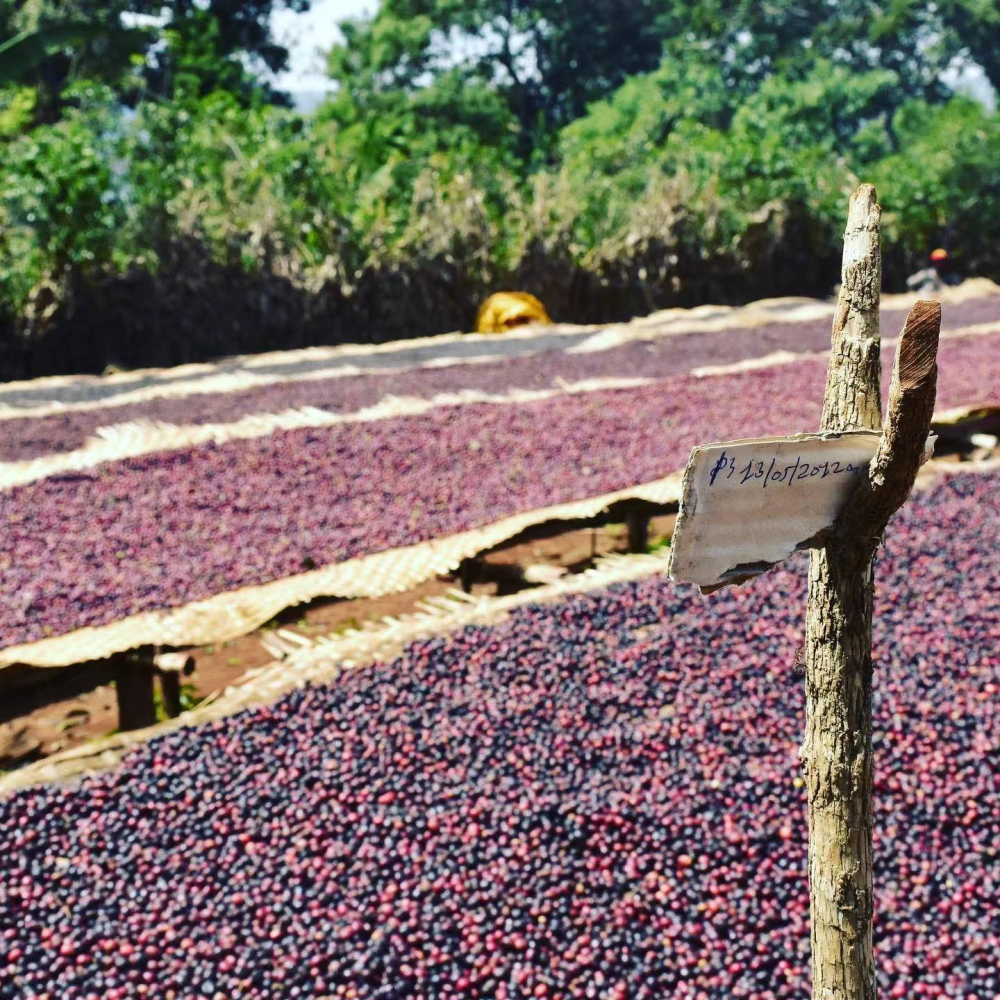
The town of Yirgacheffe is located in one of Ethiopia's highest-altitude production areas. Coffee trees are mostly planted on highlands near 2,000 meters, with the highest altitude reaching 2,100 meters. The high-altitude environment is conducive to the accumulation of flavor compounds in Arabica beans. Combined with the abundant moisture provided by the surrounding Lake Turkana, Lake Abaya, and Lake Chamo, the area is shrouded in fog all year round with a cool, humid climate, creating the signature floral and fruity aroma of Yirgacheffe coffee.

Ethiopian coffee production is mainly based on smallholder farming, with a single plot usually about 1 hectare and limited output. Farmers typically deliver coffee cherries to towns or nearby cooperatives for unified processing, which both improves quality consistency and provides farmers with more reliable income security. Cooperative-named coffees commonly found on the market (such as Gotiti, Worka, etc.) all undergo unified post-processing, grading, and roasting, making it easier for consumers to identify regional characteristics.
Traditional natural processing can easily cause coffee beans to absorb earthy flavors or develop over-fermentation defects, while the washed process removes defective beans through multiple steps and significantly improves flavor purity. Washing enhances the clarity of acidity, making Yirgacheffe's fruity aroma and tea-like notes more prominent. To restore the classic "Yirgacheffe taste," a medium-light roast is a common choice, as it preserves floral and fruity notes and is suitable for pour-over, cold brew, French press, and other brewing methods. It is also suitable for beginners to explore the basic flavors of the region through affordable small packages.
Medium-light roasted Ethiopian coffee beans are known for their prominent fruit acidity and floral aroma, and are called "fruit bombs" by industry insiders. To fully display these distinct flavor characteristics, professional recommendations suggest using a medium-light roast profile to avoid fruit notes being masked by dark roasting. Cupping results show that a washed cooperative coffee bean emits fresh passion fruit, citrus, and berry-like acidity in the dry aroma stage; in the wet aroma stage, it presents a complex aroma of citrus and berries; on the palate, the citrus acidity is bright and lively, accompanied by berry sweetness, almond flavor, and tea-like notes, with honey-like sweetness remaining in the aftertaste. Although the overall body is not high, the mouthfeel is clean and refreshing.
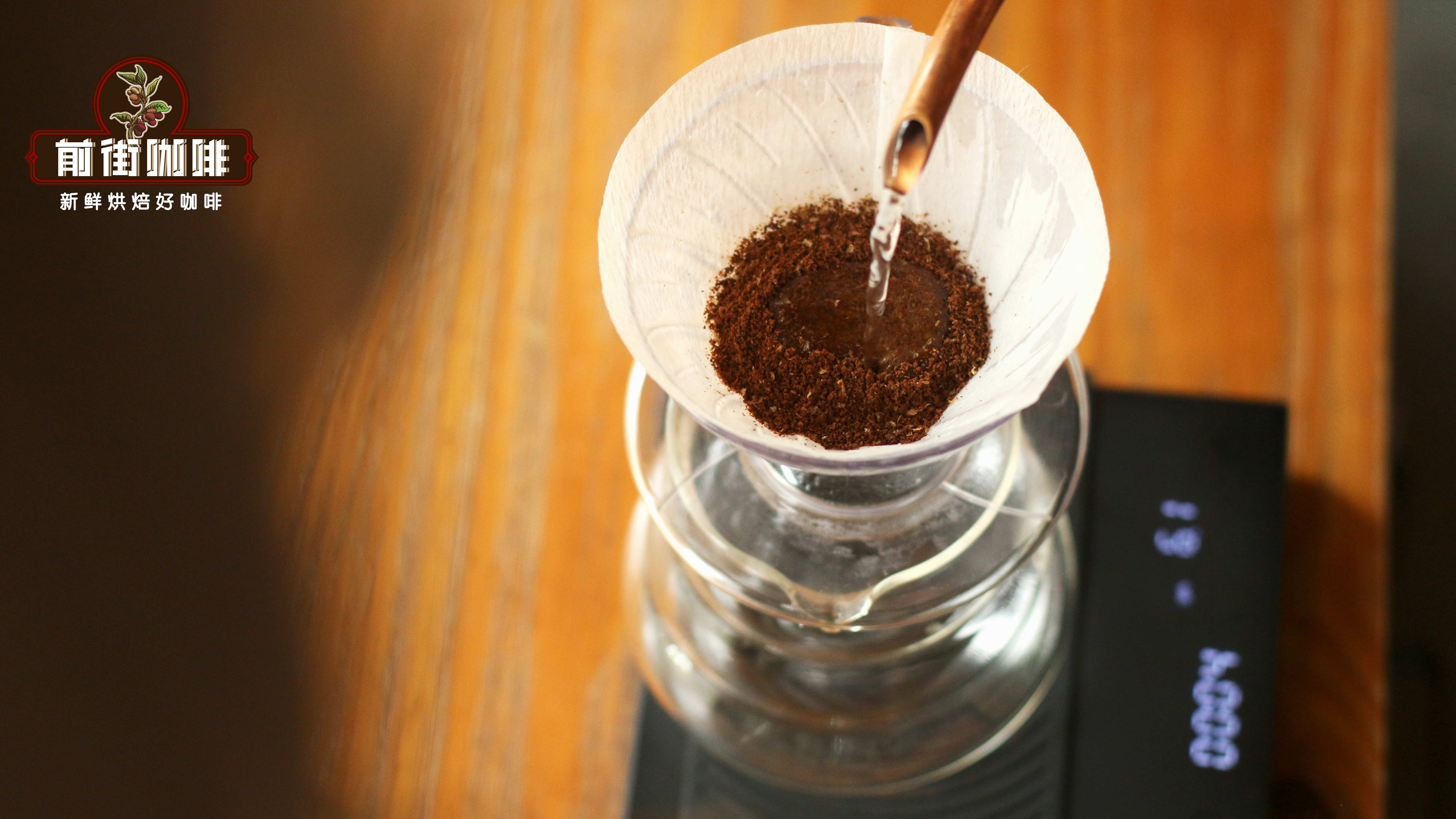
For this medium-light roasted washed bean, beginners are recommended to use the three-pour method, which improves the dissolution efficiency of flavor compounds through staged extraction while avoiding over-extraction caused by prolonged soaking. For example, with 15 grams of coffee grounds and a 1:15 coffee-to-water ratio (total water 225 ml), the three pours are distributed as follows: first pour 30 ml (30 g), second pour 95 ml (cumulative 125 g), third pour 100 ml (cumulative 225 g). The corresponding time points are: after 30 seconds of blooming, complete the second pour at about 55 seconds, and finish the total extraction in about 2 minutes.
For brewing equipment, a Hario V60 dripper is recommended. Its spiral rib design helps the coffee bed release gas and promotes the release of acidic aromatic compounds. Yirgacheffe beans are mostly light roasted and relatively hard, so hot water at 92°C–93°C is needed to bring out the floral and fruity flavors. A medium-fine grind is recommended (78% passing through a Chinese standard No. 20 sieve, close to the texture of fine granulated sugar). Too coarse a grind will result in a thin flavor, while too fine a grind can easily cause bitterness at high temperatures.
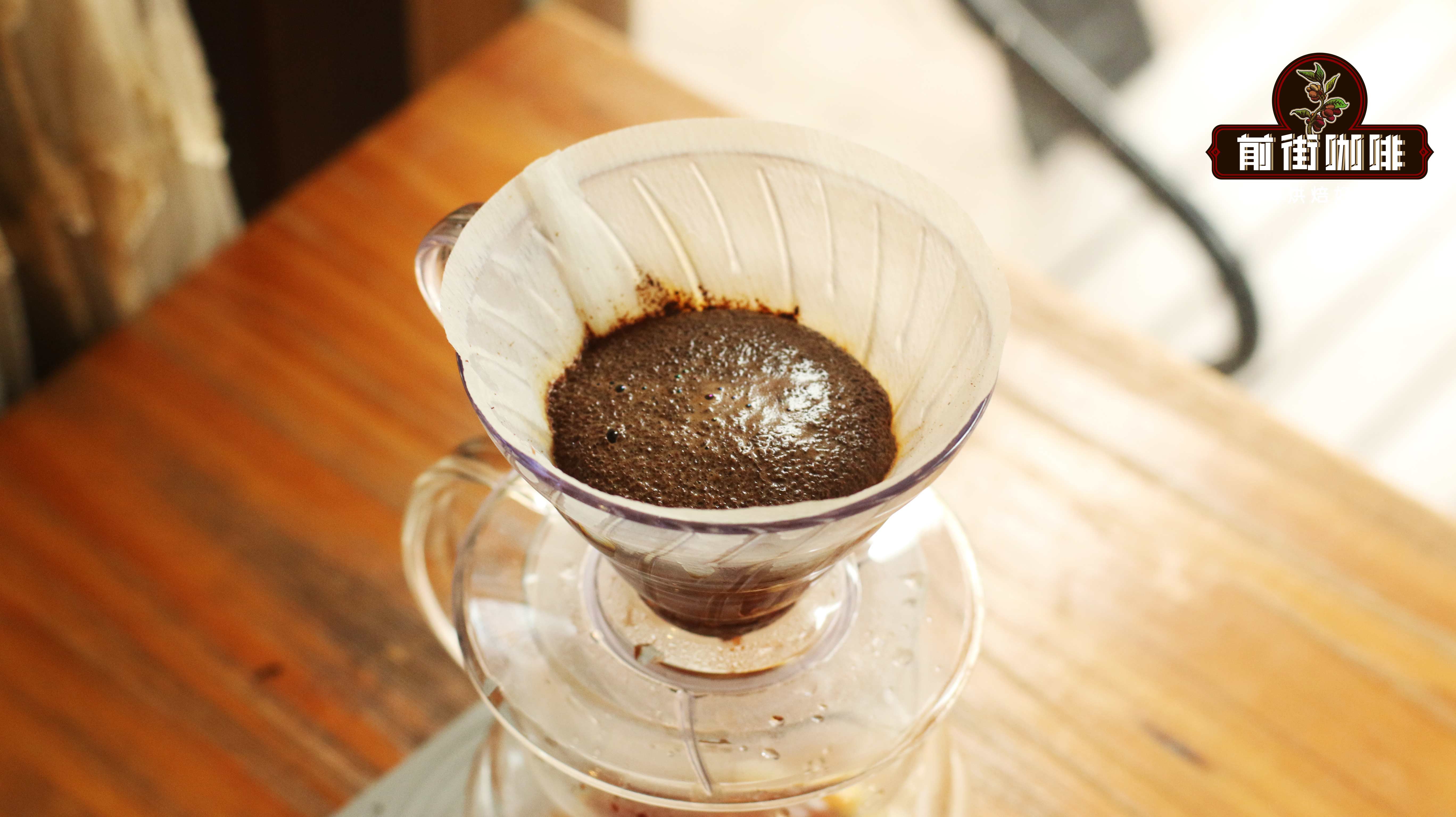
The coffee-to-water ratio can be adjusted according to preference: 1:15 gives a more intense flavor, while 1:16 highlights the clear layers of floral aroma and sweetness. To begin, wet the filter paper to fit the dripper, add 15 grams of ground coffee, and tare the scale. For the first pour, add 30 g of water and bloom for 30 seconds, using a small stream in a circular motion from the center outward to ensure the coffee bed is evenly wet. After 30 seconds, use a slightly larger stream to steadily pour 95 g of water, lifting the coffee bed vertically and evenly, completing at about 55 seconds. When the liquid level drops to halfway, switch to a small stream and pour the remaining 100 g of water in small circles, avoiding disturbing the coffee bed. When the final 225 g of water has drained through in about 2 minutes, remove the dripper, swirl the server to mix, and serve.
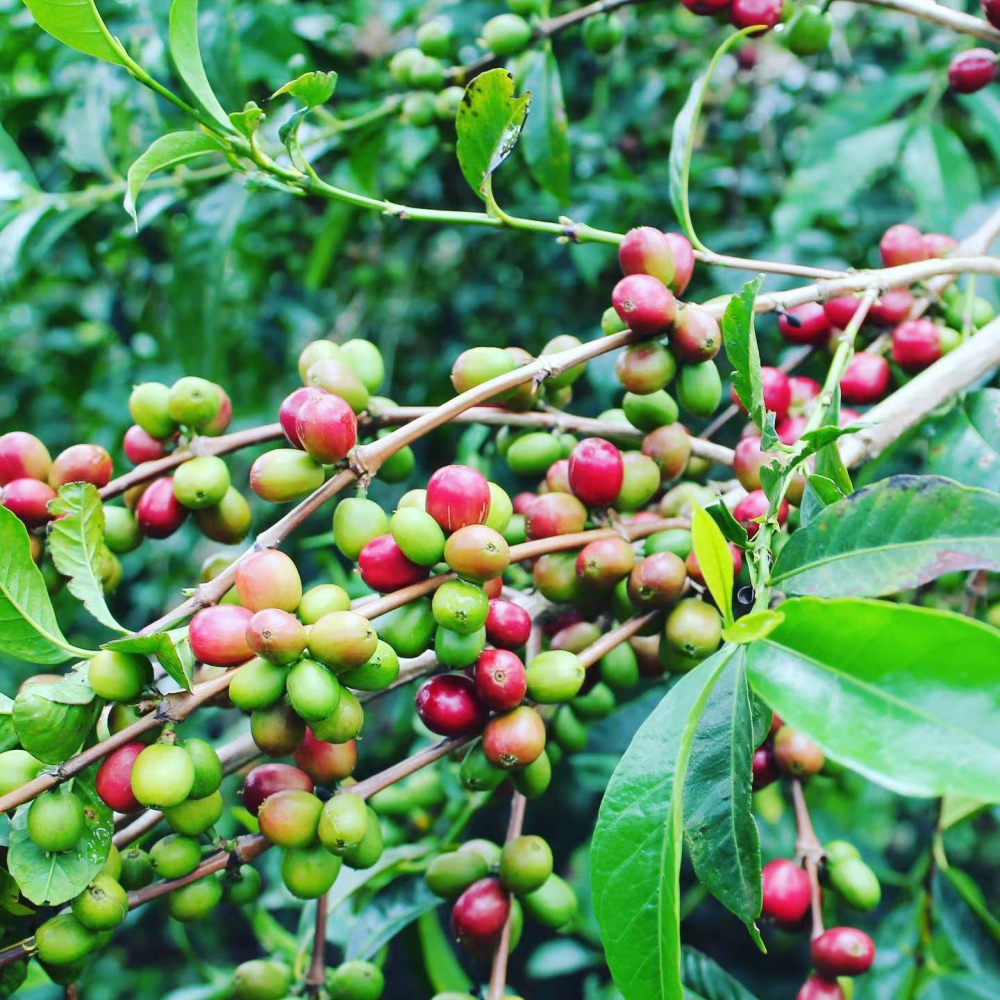
Master these parameters and techniques, and even coffee beginners can easily brew the unique flavor of this Ethiopian berry tea-like coffee bean—from a fresh citrus opening to the lively sweetness of berries, and finally the tea-like honeyed finish. Every sip is a vivid expression of high-altitude terroir.