How to Choose Espresso Beans: Blend Benefits and Semi-Automatic Machine Guide
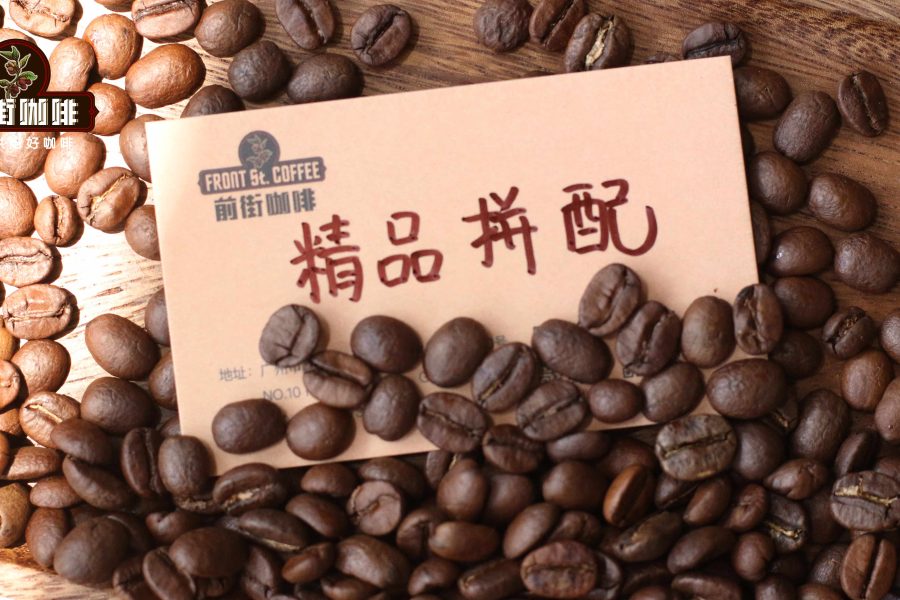
Introduction: Want to pull a rich, well-balanced espresso with full crema from your semi-automatic machine? Learn why professional baristas prefer blended beans, and how to choose coffee beans based on roast level and flavor needs. This article explains how blends enhance the complexity and consistency of espresso, and recommends practical choices for different scenarios, helping you easily master home brewing and latte art needs.
Whether you're making a pure espresso or a milk-based drink built on it, such as a latte or cappuccino, **the quality of the espresso directly determines the final flavor expression**. Compared with pour-over coffee's pursuit of clear flavor layers from a single origin, espresso focuses more on overall balance, body, and the dense, velvety texture of crema. For this reason, most espresso beans are blends of beans from different origins, achieving a more complex mouthfeel through complementary flavors.

Among the many espresso beans, **medium-dark roast blends are especially suited to semi-automatic espresso machines thanks to their stable extraction performance and abundant crema production**. This roast level brings out the coffee's caramelized aromas while ensuring the coffee grounds remain structurally stable during extraction, less prone to over-extraction or obvious channeling. For home users or café beginners, choosing a blend suited to semi-automatic equipment is the first step toward high-quality espresso.

If you're new to espresso and want to experience a rich, full-bodied shot with abundant crema, **you can choose a blend based on dark-roasted beans that combines the characteristics of Southeast Asian and South American beans**. Such blends typically include Indonesian-style Mandheling beans (bringing wild, herbal and earthy aromas) and Brazilian beans (providing a low-acid, smooth base); together they create a striking flavor contrast and sense of depth. Some blends also add a small amount of Robusta, whose high caffeine content and natural oils further enhance the espresso's body and crema thickness, making it particularly suitable for latte art in milk drinks like lattes.
For users with high daily consumption needs who seek value and balanced flavor, **it's recommended to prioritize medium-dark roast all-purpose blends**. These beans are usually carefully proportioned, retaining the coffee's original flavor characteristics (such as nuts and caramel) without letting any single origin's personality dominate, thus adapting to americano, latte, cappuccino, and other drinking styles. Their stable extraction performance and moderate price make them a foundational choice for long-term home use or small cafés.

If you prefer a lighter espresso with pronounced sweetness, you can try blends based on light-medium roasts or specially processed beans. These blends typically reduce the bitterness brought by dark roasting, instead highlighting the coffee's own floral and fruity aromas (such as citrus and berries) or sweet characteristics (such as caramel and honey). Their mouthfeel is relatively refreshing rather than heavy, suiting users who dislike strong bitterness or pursue fresh flavors. Note, however, that such blends are more sensitive to extraction parameters (such as water temperature and grind size); adjust according to your actual equipment to avoid over-extraction or a thin flavor.

In summary, choosing espresso beans requires comprehensive consideration of roast level, blend formula, and usage scenario. Through the synergy of beans from multiple origins, blends achieve complexity and consistency that single origins find hard to match, and they are especially suited to the extraction characteristics of semi-automatic espresso machines. Whether you're a beginner or a daily drinker, finding a blend that matches your personal taste preferences will make your espresso experience richer and more enjoyable.


