The Complete Guide to Espresso Blending: Bean Selection and Flavor Pairing
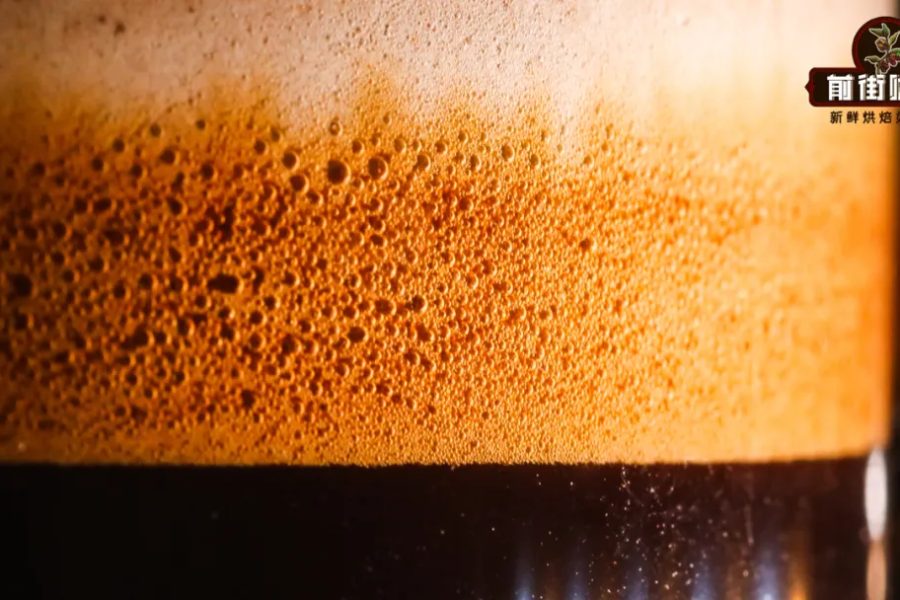
Introduction: The flavor performance of espresso depends heavily on the blend formula; everything from roast level to bean composition affects the final taste. This article explains the core logic of espresso blending, analyzes bean pairing schemes suited to different scenarios, explains how medium-dark roasts draw out crema and nutty notes, and provides five practical blending cases to help coffee lovers master the key skills from bean selection to extraction.
Coffee beans from the same origin can present completely different flavor profiles solely due to differences in extraction method. Take a common medium-dark roasted Indonesian coffee as an example: in pour-over it shows a mellow, herbal character, while used for espresso it produces intense dark chocolate and roasted nut aromas accompanied by a thick crema. This difference reveals a key point: the success of espresso begins with choosing blend beans suited to the roast level.

Freshness and roast level are the two core elements of espresso beans. Dark-roasted beans have a looser structure, which allows them to fully release carbon dioxide and form abundant crema while bringing out roasted aromas such as chocolate and caramel. For beginners, understanding the basic blending logic is more important than blindly pursuing single origins.

Dark-roasted blend beans show notable characteristics in crema appearance and flavor release: when the dose-to-yield ratio is controlled in the 1:2 to 1:3 range, the crema layer of a medium-dark roast (roast level #5-#6) can reach 2-3 mm in thickness and persist on the cup for over 90 seconds. At this point, the furan compounds produced by caramelization reactions reinforce the creamy and roasted-nut finish.

Basic blends often use a two-origin balance strategy: for example, combining a high-acidity washed bean (recommended at 40-50%) with a low-acidity semi-washed bean (50-60%); the former contributes bright citrus notes, while the latter strengthens the full-bodied base. For such combinations, extraction parameters of 9-10 atmospheres of pressure and 92-94°C water temperature are recommended to highlight the balance of nuts and dark chocolate.

Advanced blends can include a small amount of robusta beans (usually no more than 15%); their high caffeine content can raise crema density to over 3 mm while adding complex aromas of brown sugar and toasted bread. In practice, note that a robusta proportion above 20% will cause excessive extraction of bitter substances (such as quinic acid), so it is recommended to balance this by extending the pre-infusion time (18-22 seconds).

For different scenarios at home and in commercial settings, the focus of the blend needs to be adjusted. For home use, a three-origin blend (such as one-third Asian beans, one-third American beans and one-third African beans) is recommended, controlling extraction time within the 25-30 second range by adjusting grind size (a pass rate of 70-75% with a No. 20 standard sieve is recommended). For commercial settings, priority should be given to crema stability, maintaining a crema layer lasting over 120 seconds at 9 bar of pressure.

Crema optimization techniques commonly used by professional baristas include: ① using a center-pour method during the bloom phase (water stream diameter 5-8 mm) to activate degassing; ② ensuring even puck density before extraction (keeping the tamper's vertical downward force at 30-40 N); ③ using a pre-infusion program (water temperature 88-90°C, lasting 5 seconds) to soften the surface layer of the coffee grounds. These methods can give espresso crema its signature tiger-stripe pattern and extend how long the flavor persists.


