Suke Quto Farm in Sidama, Ethiopia: An Agronomist's Specialty Coffee Transformation
Introduction: Explore Suke Quto Farm in Ethiopia's Guji region and learn how agronomist Tesfaye transformed a 5-hectare small farm into a premium coffee origin. This article reveals the high-altitude growing environment at 1800-2200 meters, traditional natural processing techniques, and the inspiring story of the farm owner leading the community's transition to ecological coffee farming, with professional flavor analysis and cultivation parameters.
In the Sidama highlands of Ethiopia's Guji region, coffee trees at Suke Quto Farm grow in the cloud belt at altitudes of 1800 to 2200 meters. This 5-hectare core production area, founded by agronomist Tesfaye, adheres to strict wet processing (washed) standards—after picking, coffee cherries are pulped, fermented at controlled temperatures for 36-72 hours (duration adjusted according to humidity), demucilaged, and finally dried on raised beds for 9-13 days.
The key details in processing are: during fermentation, pH changes must be monitored daily, and during drying, the coffee bean layer must not exceed 5 cm to ensure uniform drying. This process creates a bright citrus profile—orange peel and citric acidity perfectly integrated into the creamy body of sweet milk chocolate, with an elegant bergamot tea finish.
Tesfaye's entrepreneurial story began in 2005. When surrounding forests suffered soil erosion due to excessive logging, this former agricultural technician made a different choice: not only managing his own 500-hectare ecological farm but also proactively teaching neighbors shade-growing techniques and drought-resistant coffee variety selection experience. By establishing a community-shared irrigation system and organic composting workshop, he successfully prevented the erosion of slopes by short-term crops such as corn.
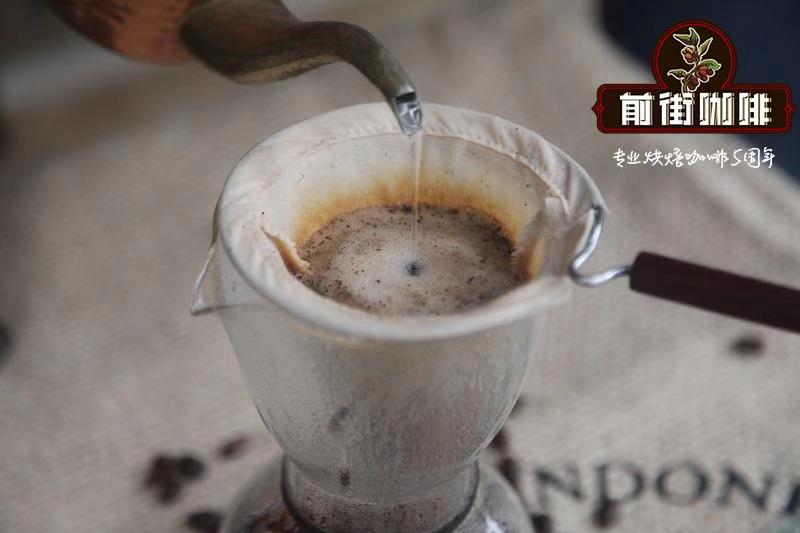
The farm's flagship Ethiopian Heirloom varieties, after years of adaptive cultivation, have developed unique flavor layers in the highland environment with a diurnal temperature difference of 10°C. Recommended pour-over parameters: 92-94°C water temperature, 1:15 coffee-to-water ratio, with attention to a fine initial water flow during staged extraction—this better highlights its 18-20% high sweetness characteristic.
For coffee enthusiasts, the case of Suke Quto Farm reveals an important trend: small and medium-sized plantations, through refined management and community collaboration, can fully find a balance between commerce and sustainability. Its successful experience is particularly worth learning from for domestic specialty coffee estates, especially in terms of processing innovation and origin story packaging.


