Costa Rican Honey-Process Coffee Beans for Pour-Over
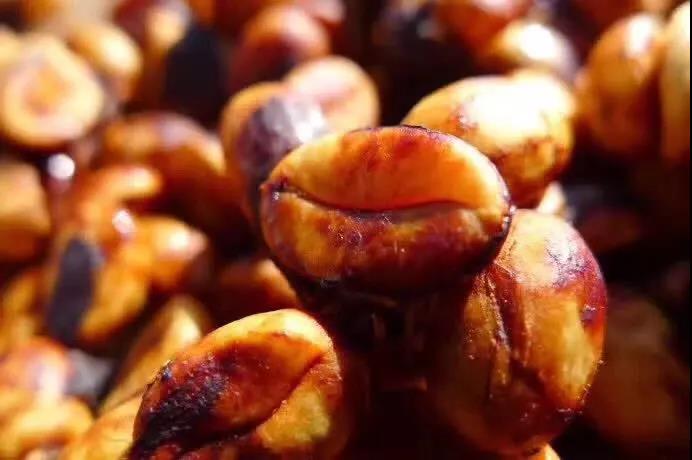
Introduction: Honey processing is a coffee processing method that sits between natural and washed processing. With its balanced sweet-and-tart character and full body, it has become a popular choice among pour-over enthusiasts. This article explains in detail the production flow and flavor characteristics of honey processing and its variations, and analyzes the differences between black honey, red honey, yellow honey and raisin honey, to help you choose the right coffee beans for pour-over.
In the world of specialty coffee, processing plays a crucial role in shaping the final flavor. Honey Process, a processing method between natural and washed, is favored by pour-over coffee enthusiasts for its unique sweetness and moderate acidity. This processing method originated in Brazil and was later widely applied and improved in Central and South American regions including Costa Rica, gradually evolving into the various honey types we know today.
The workflow of honey processing can be simply summarized as follows: first the outer skin and pulp of the coffee cherry are removed, but unlike washed processing, part or all of the mucilage layer (i.e., pectin) is retained, and then the parchment beans with the pectin are placed directly in the sun to dry. The whole process reduces water use, and by controlling the amount of retained pectin and the drying method, it gives the coffee rich sweetness and complex fruit tones.
Standard honey processing usually includes the following key steps: first, the coffee fruit is placed in a water tank, and buoyancy is used to screen out unripe or defective fruit, leaving only high-density quality fruit. Next, these fruits enter the pulper, where the outer skin and pulp are removed, leaving only the inner seed and the sticky pectin layer. This step is very critical, because it directly affects the degree of fermentation and the flavor direction in the subsequent drying process.
Afterward, the coffee beans with pectin are evenly spread on drying beds or drying platforms and slowly dried in the sun. During drying, the beans need to be turned regularly to ensure even heating and prevent mold or over-fermentation. When the moisture content of the beans drops to 10.5% to 12%, they can enter the hulling process, where the remaining parchment and pectin are removed; finally, after follow-up processes such as polishing, they can be packaged for export.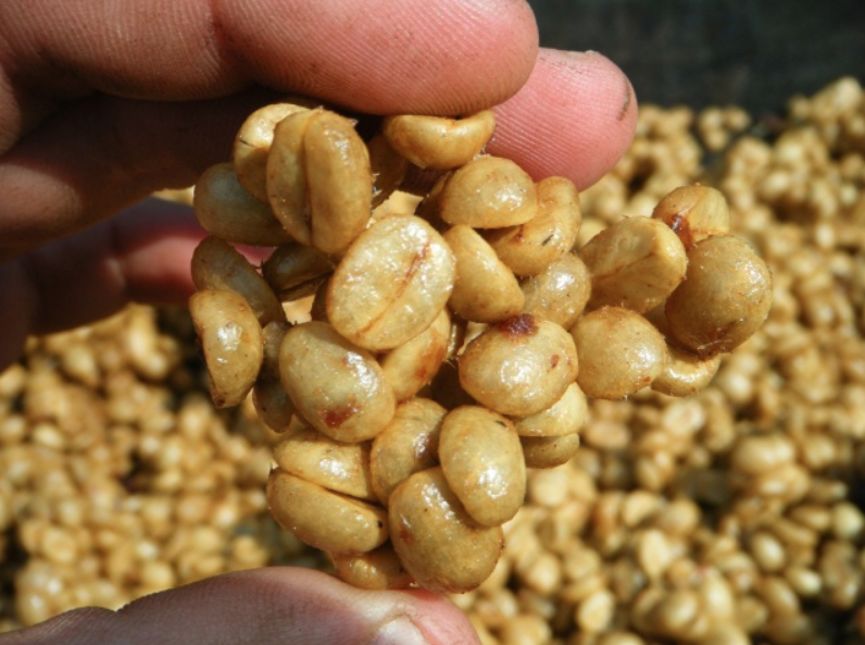
It is worth mentioning that compared with traditional washed processing, this method greatly reduces water use, while combining the intensity of natural processing with the clean characteristics of washed processing, so it is also often called semi-washed. Different producing regions and estates adjust the details of honey processing according to climate conditions, equipment configuration and flavor goals, thus forming coffee flavor expressions of different styles.
Among the many variations of honey processing, Black Honey is the most intense. It is made by removing almost no pectin, so that the sugar is highly concentrated during drying; the drying time is usually as long as more than 14 days, and shading is often needed to prevent overly rapid drying. This processing gives the coffee extremely full sweetness, rich layers, and a full-bodied texture similar to red wine. Such coffees often show interwoven flavors of dark berries, ripe fruit, floral notes and chocolate, and are suitable for drinkers who like strong sweet aromas.
Red Honey is a relatively balanced choice, usually removing about 25% of the pectin, with a drying time of about 12 days, during which shade facilities may be used and a moderate turning frequency maintained. Red honey coffees often present clear sweetness and soft acidity, with flavor notes that often include caramel, red fruit and nuts; it is currently one of the more common honey types on the market.
Yellow Honey further reduces the amount of retained pectin, usually removing about 40%, and receives more sunlight; the drying time is shortened to about 8 days, with turning once per hour to ensure even drying. Coffees under this processing method have brighter acidity and moderate sweetness, with an overall flavor leaning toward mild, clean citrus and tropical fruit notes.
White Honey is closer to traditional washed processing, usually retaining 40% to 60% of the pectin, with a shorter fermentation time and faster drying; it is the lightest of the honey processes. It highlights clean, bright acidity and lower sweetness, and is suitable for people who prefer a fresh taste.
Besides the common honey types above, there is also a more special raisin honey process (Raisin Honey or Pulped Natural with Dried Pulp), whose craft is unique and more difficult. In this method, before the skin and pulp are removed, the coffee fruit is first placed on drying beds to dry for at least three days, causing it to dehydrate and shrink into a raisin-like state, after which the pulp is removed and the subsequent honey processing steps are carried out. Because the whole process uses no additional water, it is also called a "zero-water processing" method, and it retains 100% of the pectin, allowing the coffee to fully absorb the natural sweet fragrance and aromatic substances of the pulp during drying.
The raisin honey process has strict requirements for timing control and temperature and humidity management; a slight mistake can easily lead to abnormal fermentation or mold. But once successful, this processing method can give the coffee extremely rich floral aromas, fresh fruity sweetness and a bright, clean sweet-and-tart balance, with great recognizability.