Ecuador Rosa Pintado Typica Washed: a Pour-Over Sweetness as Fresh as Black Tea
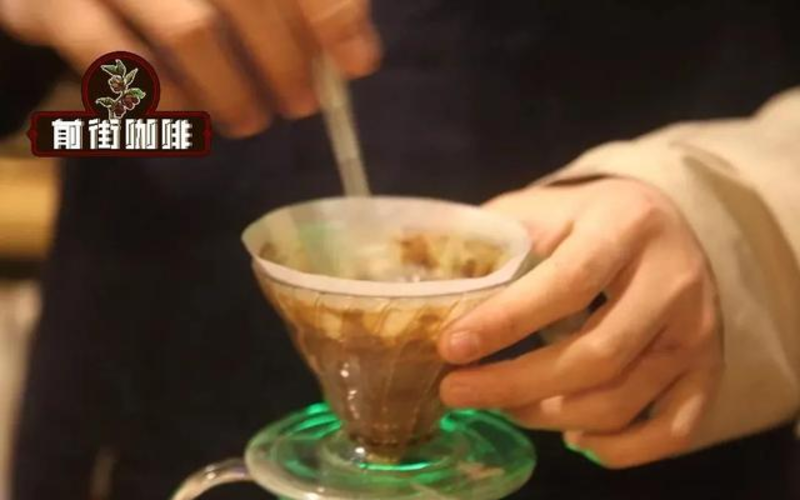
Introduction: This washed Typica micro-lot coffee comes from the high mountains of southern Ecuador at 1,500 meters. It is known for its layers of peach, raisin and honey. Selected through the strict screening of the FAPECAFES fair trade organization, it not only offers a soft black-tea-like finish but also stands out for its pure sweetness, making it a favorite for pour-over enthusiasts exploring flavors. This article explains its origin background, processing details and brewing suggestions to help you precisely capture this bean's unique charm.
Among the cloud forests of southern Ecuador's Amazonian mountains, the growing environment at 1,500 meters gives Rosa Pintado's Typica coffee its unique flavor genes. This washed micro-lot bean stands out in the specialty coffee market for its clear layers of sweetness—vivid peach aroma on entry, turning into dense, clear honey sweetness in the middle, and finishing with the warm, gentle aftertaste characteristic of black tea.
Its producer, FAPECAFES, is an important coffee federation in southern Ecuador made up of six primary cooperatives. Since its founding in 2002, the organization has consistently promoted organic farming and sustainable development, and it obtained fair trade certification in 2003. With technical support from the Belgian development organization VECO Andino, FAPECAFES's 1,200 smallholder members (average plot size under 10 hectares) steadily produce about 600,000 pounds of quality coffee each year, of which about 12 containers are selected as export-grade specialty beans.
For coffee lovers, this Typica's flavor expression is highly recognizable: the peach fruit aroma up front is bright without being cloying, like the sweet, juicy scent of fresh white peach; the raisin sweetness in the middle interweaves with the mellow richness of honey to form a full sweet base; and the black-tea finish in the back brings a gentle astringency similar to Ceylon black tea. Overall the sweetness is pure with no off-flavors, as harmonious as carefully extracted syrup.
If extracting by pour-over, we recommend roasted beans in the medium to medium-dark roast range (roast level affects the pace of sweetness release). Reference parameters: coffee-to-water ratio 1:15–1:16, water temperature 90–92°C, grind size between 75%–80% passing a Chinese standard No. 20 sieve (similar to fine granulated sugar). For staged pouring, first pour 30 grams of water for a 30-second bloom, then slowly pour in a circular motion from the center outward to a total of 225 grams of water, keeping total extraction time between 2 minutes 10 seconds and 2 minutes 30 seconds to maximize the layers of its black-tea finish.
Note that this bean's honey sweetness is sensitive to storage conditions. After opening, we recommend storing it in an airtight canister with a one-way degassing valve, away from direct sunlight and humidity. If you plan to store it long-term (more than 30 days), you can move it to the refrigerator's cold storage compartment (sealed to prevent moisture), but take it out 24 hours before extraction to return to room temperature, to prevent temperature differences from causing flavor loss.
From FAPECAFES's fair trade system to the careful management of Rosa Pintado estate, this washed Typica bean is not only a carrier of flavor but also embodies the sustainable farming philosophy of Ecuador's smallholders. When you taste that soft, black-tea-like sweetness in your cup, perhaps you will understand more deeply the human value behind specialty coffee.


