Colombian Andes Supremo Coffee: How to Choose High-Altitude Fruit-Sweet Beans
Introduction: Want to know which Colombian coffee bean is most famous? Supremo-grade coffee from the Andes region, with its high-altitude cultivation at 1650-1800 meters and washed processing, achieves a unique balance of fruit sweetness and nutty notes. This article details the flavor characteristics, growing environment, and brewing suggestions of this globally renowned coffee, helping you master the key techniques for selecting high-quality Colombian beans.
On the high mountain terraces of the Colombian Andes grows a coffee known for its smooth acidity and full body—Supremo-grade coffee beans. These coffees typically have a bright nutty base, accompanied by a refreshing medium acidity and layered fruit sweetness, making them a daily favorite for many coffee lovers.
Produced at the Andeano estate, Supremo coffee is grown in volcanic ash soil at an altitude of 1650-1800 meters. The high-altitude environment extends the coffee fruit's ripening cycle, and combined with shade tree cultivation, allows the beans to accumulate more complex flavor compounds. The volcanic soil here is rich in minerals, providing a unique nutrient source for the coffee trees.
Coffee from this region has obtained Fair Trade certification and Rainforest Alliance certification, ensuring the cultivation process meets sustainable agriculture standards. The washed processing method combined with raised-bed drying technology preserves the coffee's pure flavor to the greatest extent—after 24 hours of fermentation, impurities are washed away with clean water, then the beans are sun-dried for several days (covered for protection during rain), ultimately achieving consistent quality.
In terms of flavor, this coffee presents a balance of smooth mouthfeel and medium acidity: on the palate, gentle citrus fruit notes are first perceived, accompanied by subtle floral aromas; nutty flavors gradually emerge in the mid-palate, and the finish has a slight bitterness balanced like dark chocolate. The overall sweetness is prominent yet not cloying, suitable for drinkers seeking rich layers of complexity.
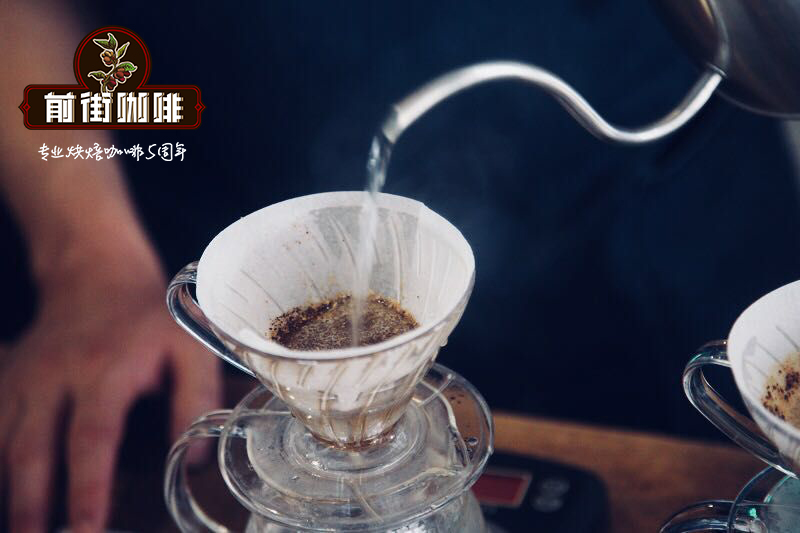
Professional roasters suggest the following parameters when brewing high-altitude Supremo beans: medium roast highlights the balance of fruit and nuts, grind size should be medium-fine (70-75% passing through Chinese standard No. 20 sieve), and pour-over water temperature controlled at 90-92°C. If using a V60 dripper, a coffee-to-water ratio of 1:15 is recommended; when pouring in stages, maintain a steady flow rate to fully extract the flavors.
When purchasing, you can identify high-quality Colombian Supremo by three characteristics: first, observe the bean shape—plump and uniform, mostly medium-to-large beans with a blue-green sheen; second, smell the dry aroma, which should have distinct nutty and caramel notes; finally, check the certification marks—genuine packaging usually states 100% Arabica and specific region altitude information. Be wary of excessively low-priced "Colombian coffee"; low-priced products may be blended beans or raw materials from lower-altitude regions.
A little knowledge about the name: true "Supremo" specifically refers to the largest bean size grade in Colombian coffee classification (diameter 17-18 mesh), and not all Colombian coffee is called Supremo. Common spelling errors on the market (such as mistaking Colombia for Colomba) may actually point to completely different products. It is advisable to purchase through official channels and pay attention to the estate information and processing method description on the packaging.


