Ethiopia Kochere Coffee: Flavor, Processing and Pour-Over Guide
Introduction: As the birthplace of coffee, Ethiopia has distinctly different regional flavors. This article focuses on the Kochere region, often mistaken for part of Yirgacheffe, detailing its geographic affiliation, altitude parameters and washed processing characteristics, and provides a professional cupping flavor profile and home brewing plan to help you precisely grasp the citrus-toned charm of this small-bean highland variety.
As a gene treasury of Arabica coffee, Ethiopia has multiple micro-regions with similar flavors around Yirgacheffe town in the Gedeo Zone in the south. Among them, Kochere, though often confused with Yirgacheffe by consumers, has, since the 2009 reform of the Ethiopia Commodity Exchange (ECX), become an independent certified sub-region alongside Wenago and Gelena Abaya, with altitudes generally maintained in the 1650-1800 meter range, forming a flavor synergy belt with the core Yirgacheffe area.
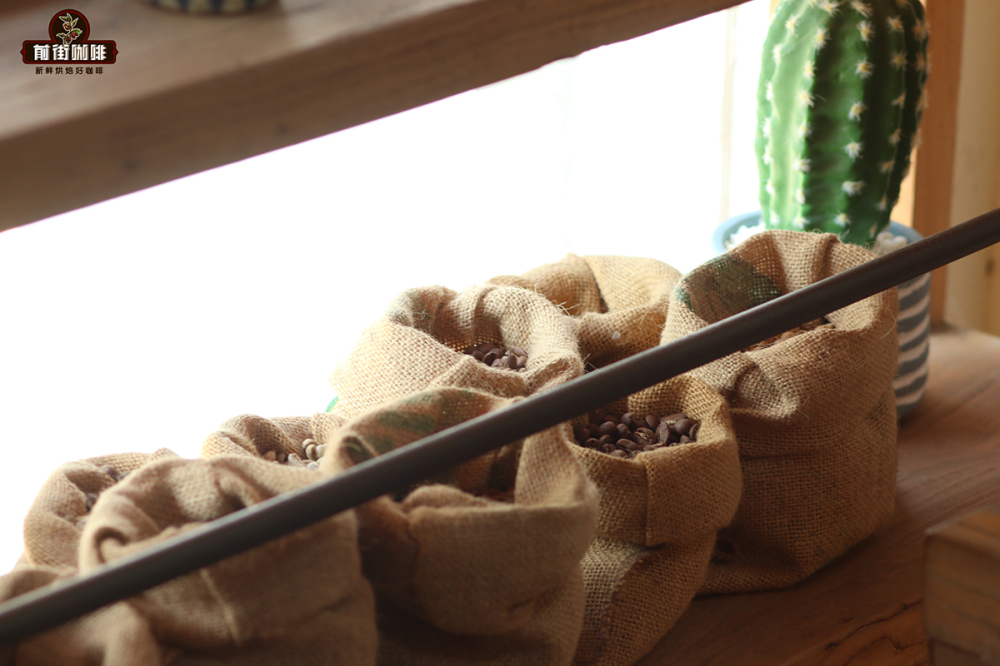
The main coffee growers in this region are micro-farmers with an average of 1 hectare (about 15 mu), and red cherries are delivered after harvest to washing stations equipped with modern wet-processing equipment. The outstanding characteristic of Kochere washed beans is the exquisite balance of honey sweetness and citrus acidity—high-altitude cultivation gives a bright lemon-type acidity, while the complete washed fermentation system brings a highly pure floral and fruity base, a trait that earns most of them G1 grade certification in ECX grading.
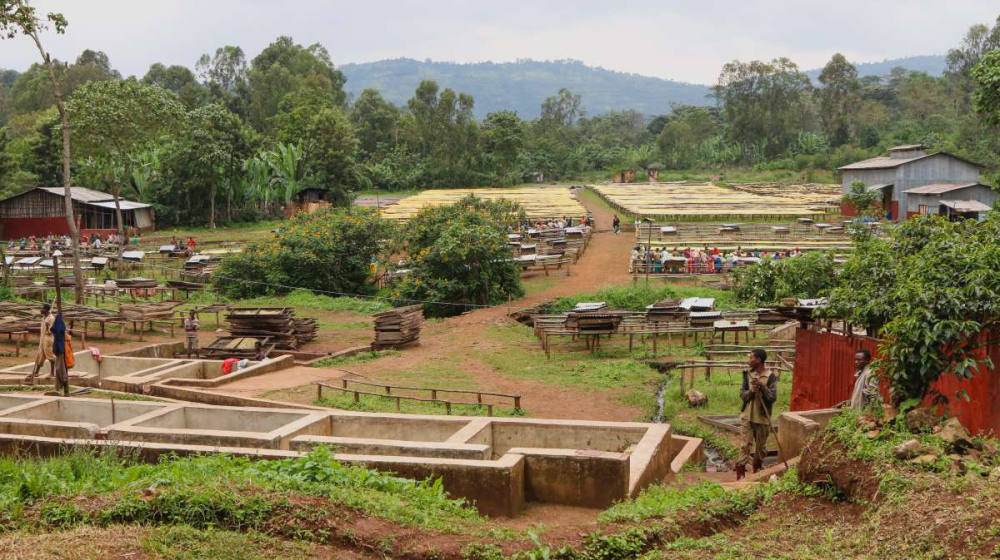
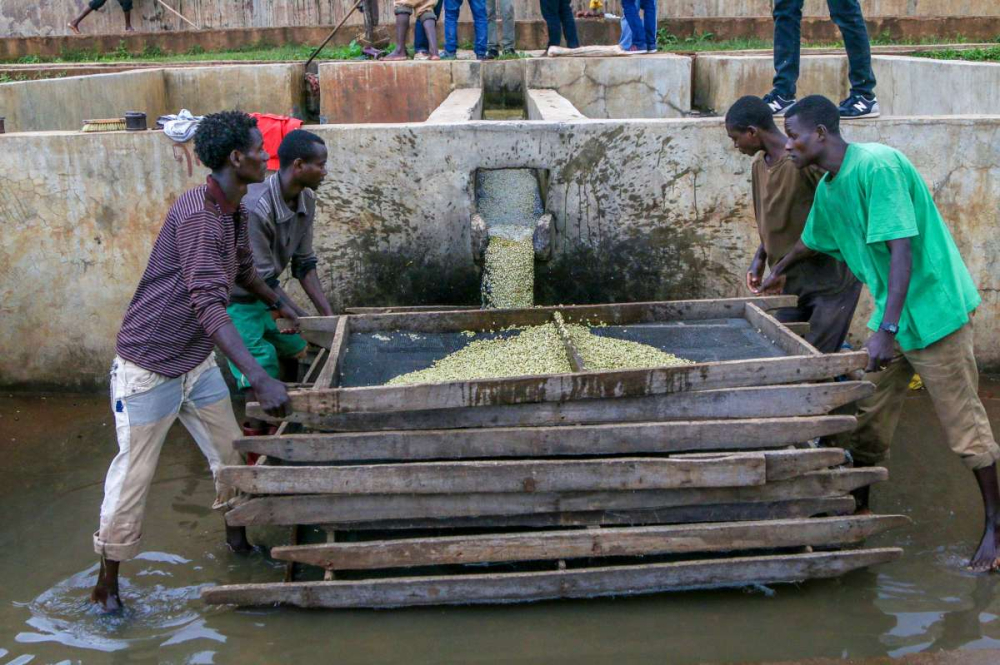
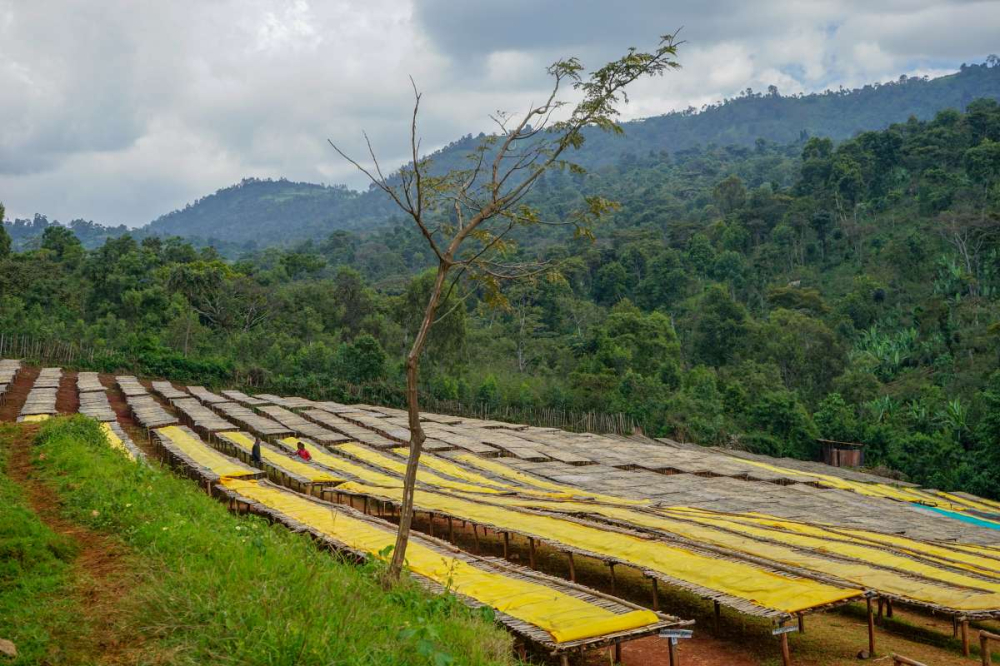
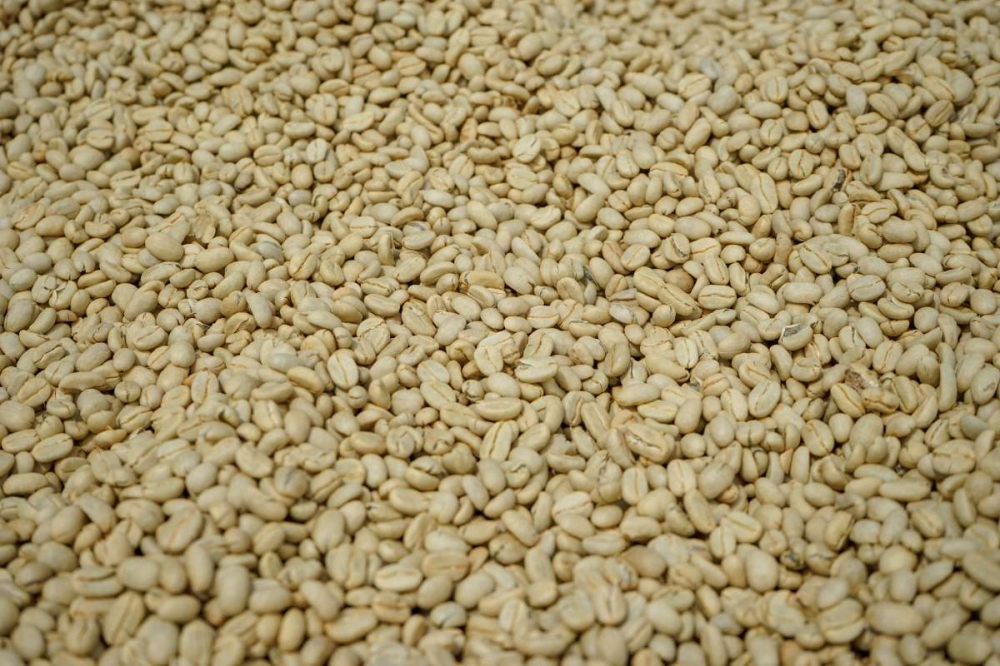
The professional washing process includes three key stages: first, density screening removes unripe cherries; then controlled-temperature fermentation in flowing clean water for 18-36 hours (22-26°C is optimal); after demucilaging and washing, the parchment beans are placed on African raised beds for gradient drying. The ideal drying cycle is 18-21 days, during which the beans must be turned daily and the moisture content kept stable at 11-12%; finally, after passing official ECX cupping, they enter international trade.
In terms of flavor performance, Kochere washed beans often show a three-layer aroma structure in cupping: the dry fragrance is dominated by orange blossom and black tea notes, the wet aroma reveals fresh lemon and peach sweetness, and on the palate there is lively citrus acidity over a black tea base, with a finish of gentle sugarcane-like sweetness. This layering makes it particularly suitable for pour-over enthusiasts seeking clear fruit tones.
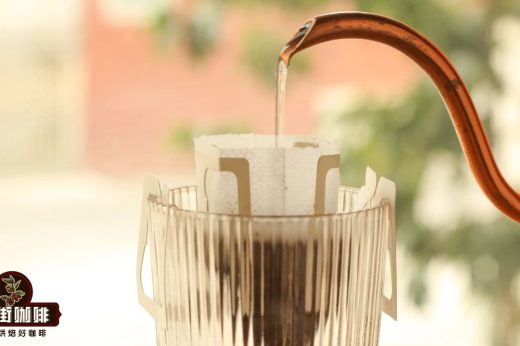
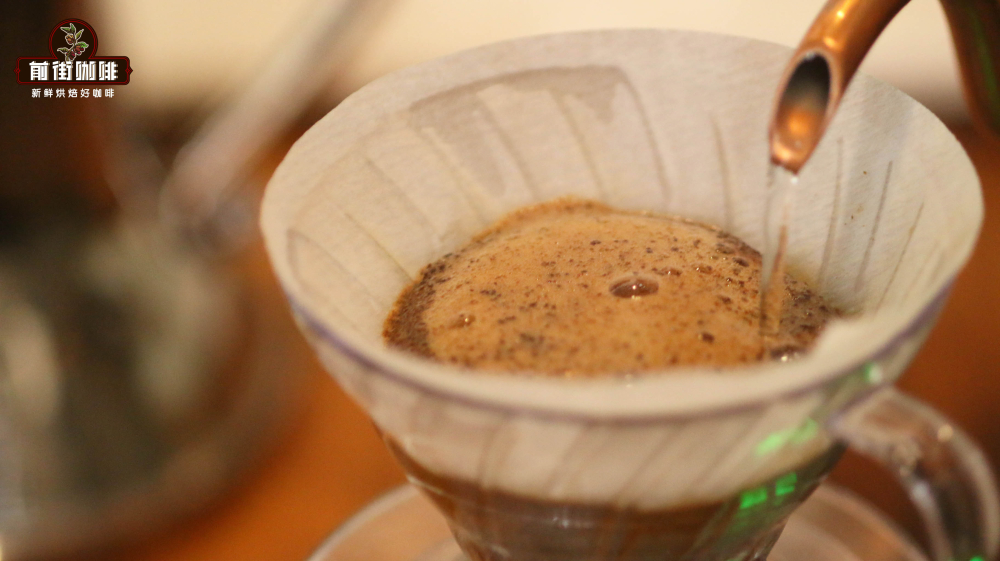
For home brewing, a V60 dripper with a three-stage pouring method is recommended: use a medium-fine grind (80% passing a No. 20 sieve), a coffee-to-water ratio of 1:15, and a water temperature of 91±1°C. The operation is divided into three stages: first pour 30 ml of hot water and bloom for 45 seconds; second, pour in a slow circular stream to 125 ml; when the water level drops to the middle of the dripper, continue pouring to a total of 225 ml, maintaining a 2-minute extraction rhythm throughout. These parameters effectively highlight the brightness of the citrus acidity without amplifying defective flavors.
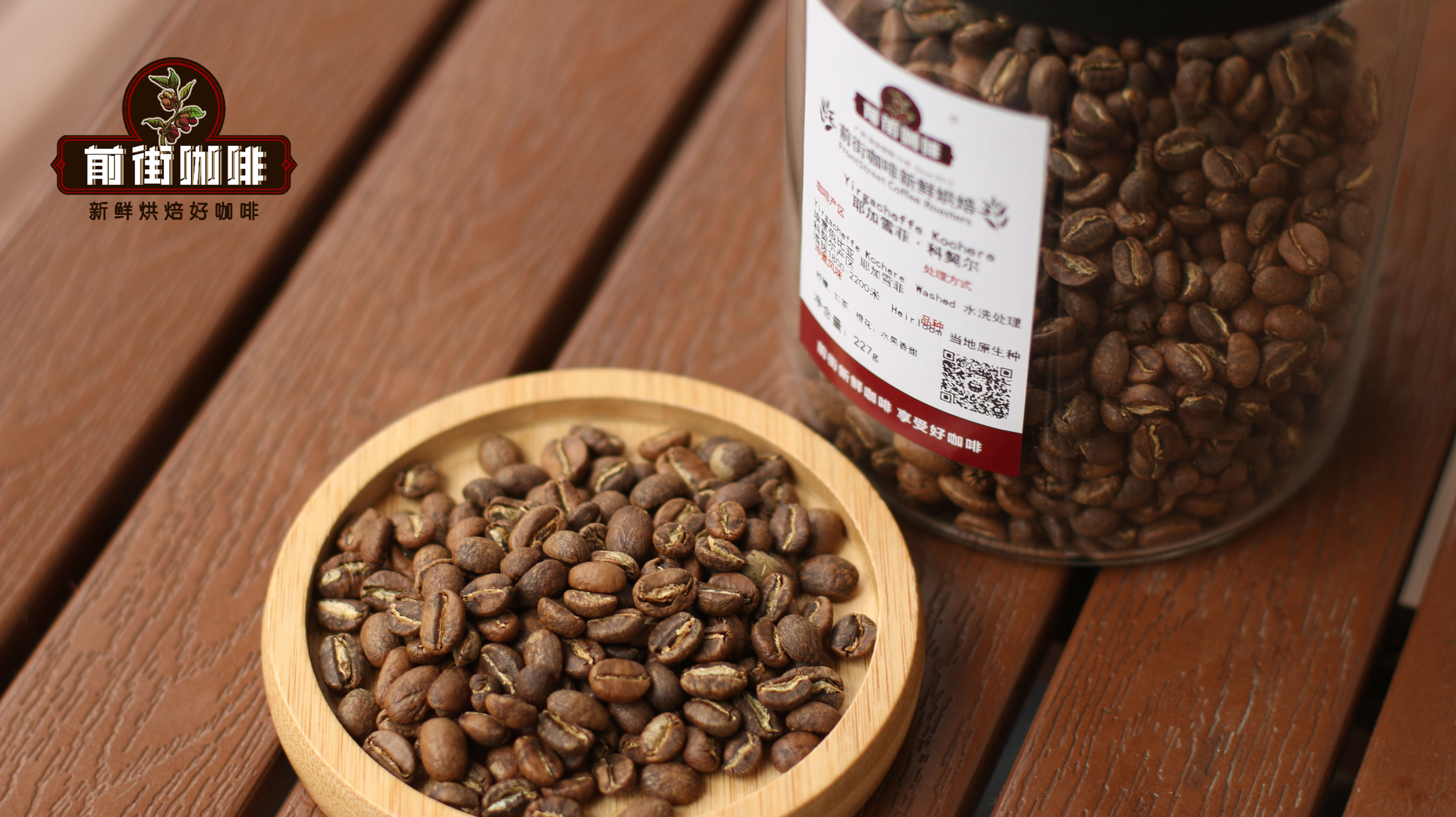
It is worth noting that the optimal flavor window for Kochere coffee beans is days 7-25 after roasting; consumers should pay attention to the roast date rather than simply pursuing “freshly roasted.” For storage, choose an aluminum foil bag with a one-way exhaust valve and keep it away from light at 18-22°C. For users who prefer a fuller body, try extending the bloom to 60 seconds or adjusting the grind slightly coarser to medium, but beware of the risk of astringency from over-extraction.
From a geographical perspective, the core difference between Kochere and Yirgacheffe lies in micro-terroir conditions: Kochere soil contains a higher proportion of volcanic rock, and some plots lie at the edge of the cloud belt, creating a softer acidity and more pronounced black tea finish than typical Yirgacheffe. This trait often leads experienced cuppers to identify it in blind tastings as “an independent flavor individual with a Yirgacheffe skeleton.”
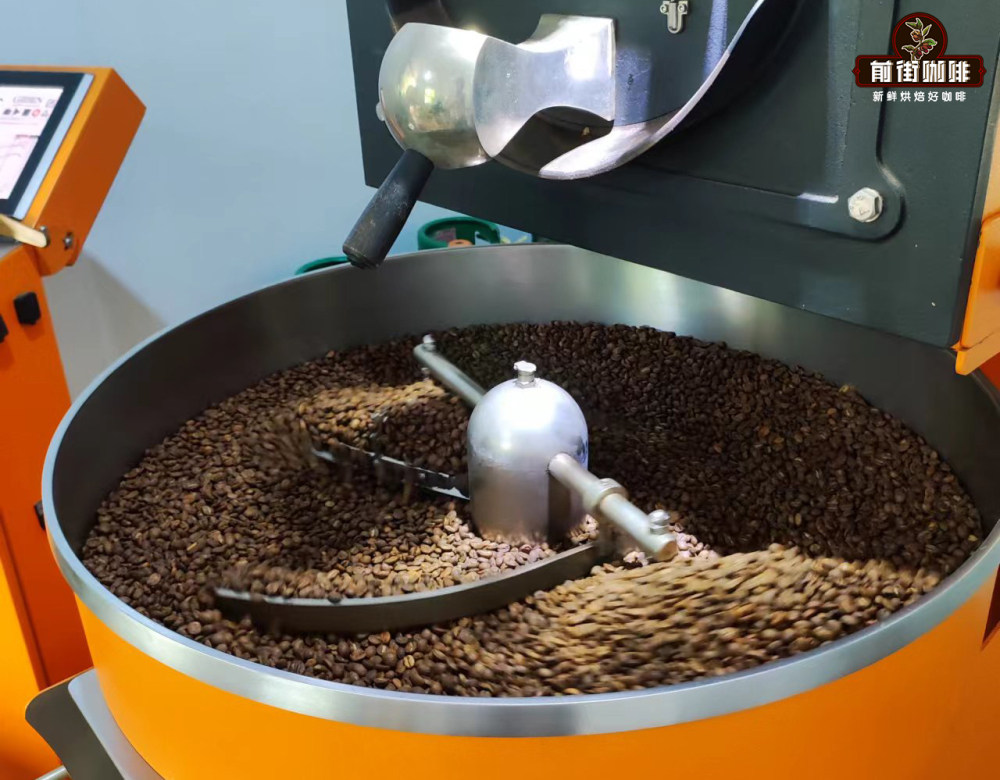
In terms of processing technology evolution, Kochere has gradually popularized pre-fermentation washing since 2015; by controlling fermentation pH in the 4.2-4.5 range, the conversion efficiency of citrus aromatic compounds is further enhanced. Compared with traditionally natural-processed Kochere beans (defect rate about 8-12%), the modern washed method can reduce the defect rate to below 3%, which explains why international buyers prefer to purchase washed beans from this region.

For coffee professionals, Kochere provides a typical sample for studying high-altitude washed processing—its success shows that implementing precisely controlled-temperature fermentation at altitudes above 1700 meters, combined with strict water activity management, can consistently produce commercially competitive specialty-grade washed beans. This model has important reference value for the construction of processing stations in emerging coffee regions in Southeast Asia.
Finally, it should be clarified that although Kochere often appears alongside Yirgacheffe in commercial promotion, according to the official ECX classification system, both are independent certified units under the Gedeo Zone. Consumers only need to look for the “Kochere” or “Yirgacheffe-Kochere” origin label when purchasing to ensure they obtain coffee with the typical flavor characteristics of this region.