SOE Espresso vs. Italian Blends: Differences and the Best Coffee-to-Water Ratio
Introduction: SOE (single origin espresso) has drawn much attention in recent years for its distinctive flavor and its ability to highlight the characteristics of the coffee bean's place of origin. This article compares SOE with standard espresso and blended coffee in depth, explains SOE's flavor traits, suitable occasions and key extraction parameters—including coffee-to-water ratio and extraction time—and offers practical advice to help you easily master the making and tasting of this type of coffee.
In recent years, SOE coffee has gradually gained popularity, and many coffee competition competitors favor using this kind of coffee. SOE, short for Single Origin Espresso, is espresso made from a single place of origin; it usually uses coffee beans from a single producing region with clear flavor characteristics, which better showcase that region's terroir and full-bodied taste. However, SOE is not the same as specialty coffee, and you still need to choose carefully—generally, single origin beans with high distinctiveness and vivid flavor are preferred.
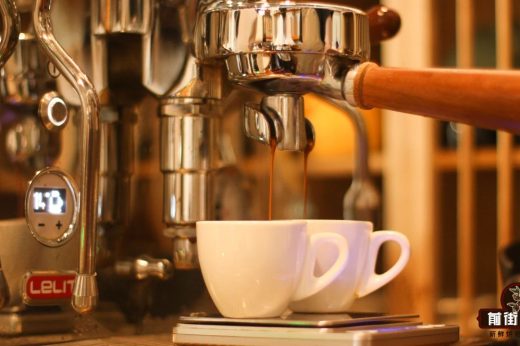
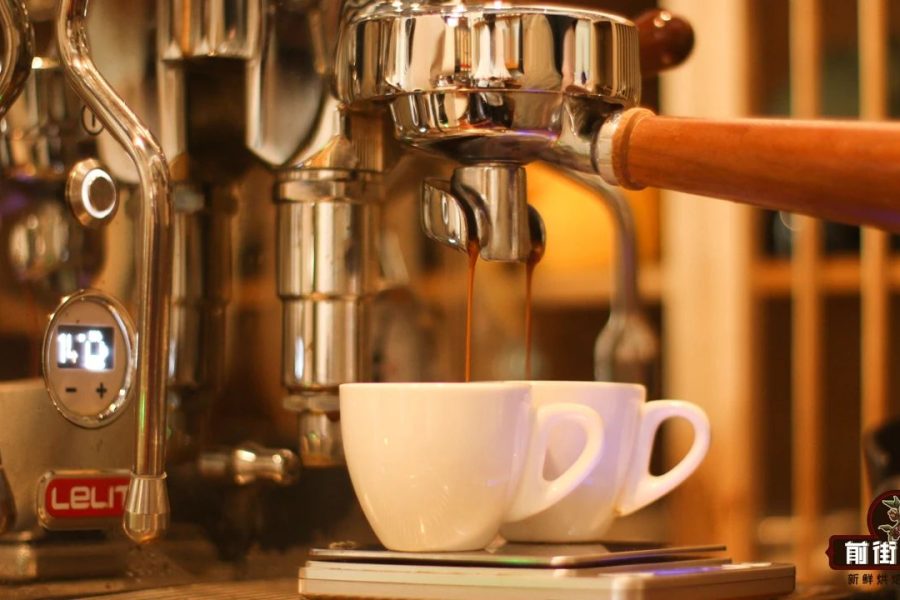
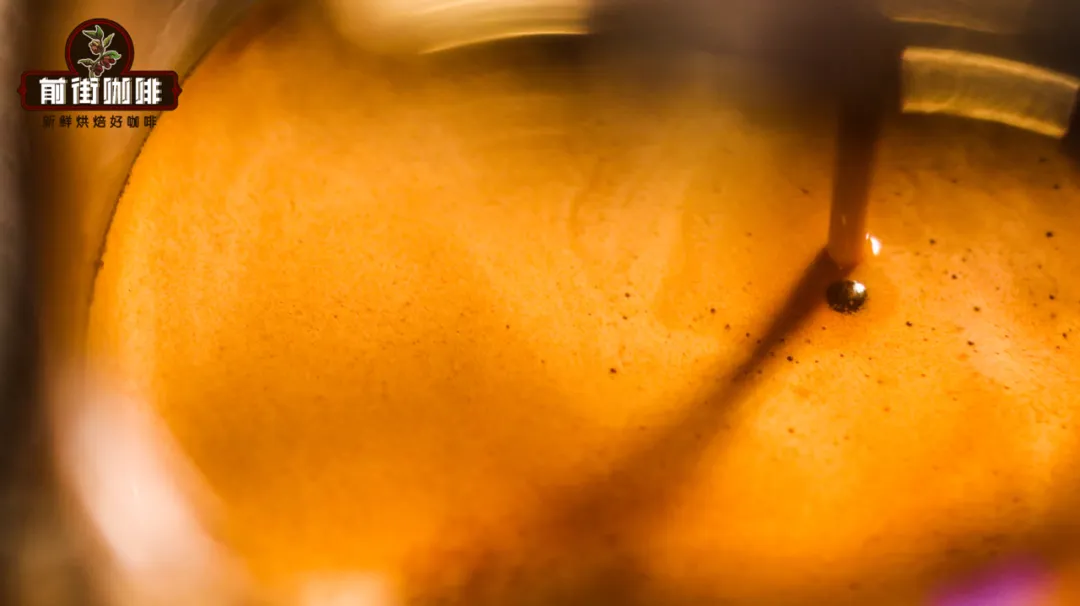
Take the common naturally processed coffee beans as an example: these beans often carry rich fruity notes and floral aromas, and are suitable not only for pour-over but also for cold brew. If naturally processed beans with prominent flavor are used to make SOE, the extracted liquid often has a layer of reddish-brown crema on its surface, with an intense aroma; on the palate you can sense fresh flavors such as citrus and berries, with balanced sweetness and acidity and a lively layering. Looking at its extraction parameters: with 20 grams of coffee grounds as an example, an extraction time of about 27 seconds yields about 40 grams of coffee liquid; this ratio range is often regarded as the ideal range for SOE.
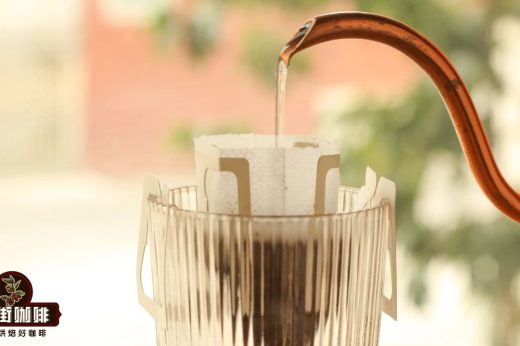
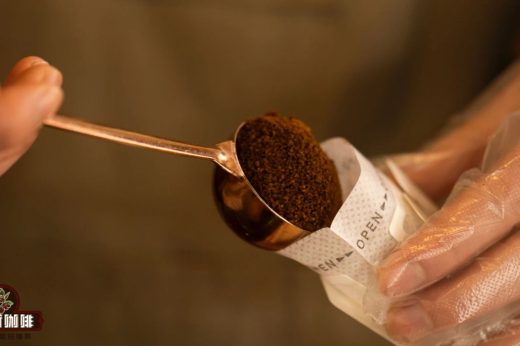
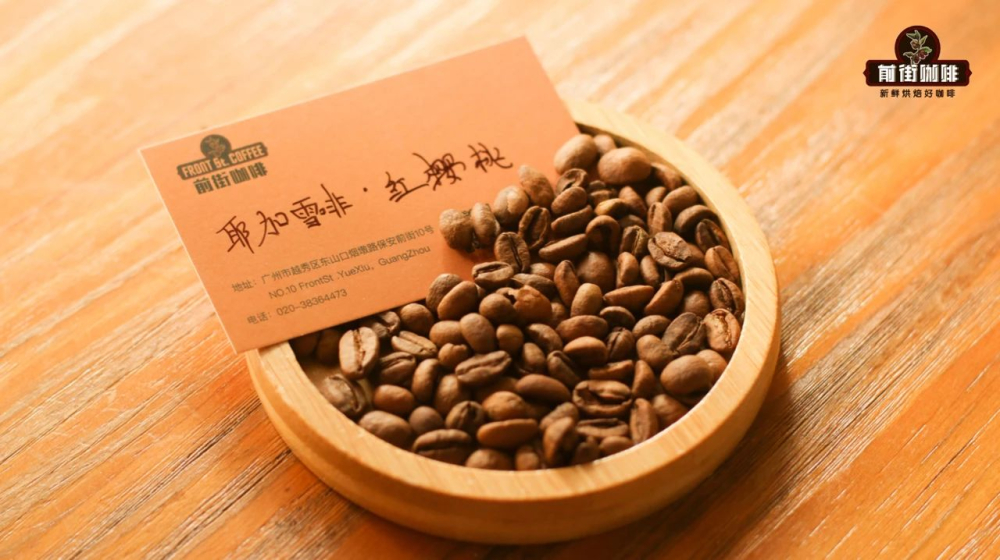
It is worth noting that SOE and pour-over coffee are similar in bean selection—to highlight the regional flavor, both usually are not roasted too dark, and most use medium-light roasts. Medium-light roasting better preserves the coffee beans' original fruity aromas and acidity and is suitable for expressing delicate flavors. But unlike pour-over, SOE uses high-pressure extraction, which further concentrates these flavor traits and creates a richer taste experience.
So how does SOE differ from the common Italian blend coffee? Traditional Italian coffee mostly uses blends of multiple beans, at least three to five kinds and at most more than ten. The advantage of blending lies in balancing flavors and stabilizing taste—for example, by combining beans from different regions, the sweetness, acidity, bitterness and body of each can be integrated to ensure that every cup tends toward a consistent flavor. Chain brands such as Starbucks and Luckin mostly use such blended beans to guarantee consistent output.
By contrast, SOE uses coffee beans from only a single origin. Although it can highlight the unique flavor of that region, it also has obvious shortcomings: it is greatly affected by seasonality, and the quality and quantity of beans harvested each year fluctuate noticeably. In addition, coffee, as an agricultural crop, is easily disturbed by factors such as climate and growing conditions, making yield and flavor stability harder to control. Moreover, SOE raw materials are usually of a higher grade, so commercially sold SOE coffee is generally more expensive than standard espresso.
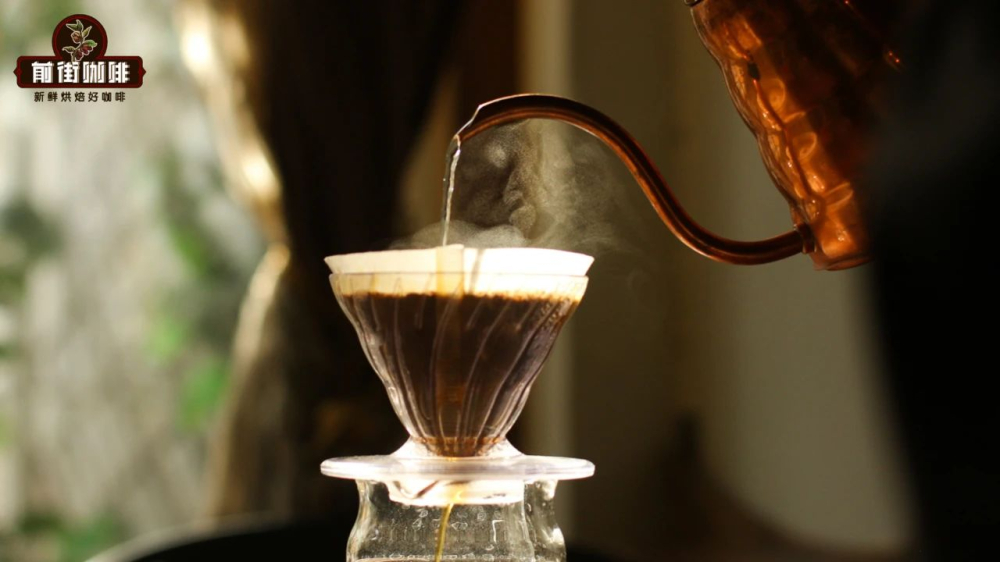
Traditional Italian blend beans often adjust the mouthfeel by adding robusta beans—robusta costs less, enhances the coffee's body and crema sheen, and balances the possibly excessive acidity of arabica beans. This flexible combination lets Italian blends find a balance between flavor and cost, and the final price is also more affordable. For example, a common blending scheme might combine the nutty notes of Brazilian beans with the cocoa flavor of Colombian beans, supplemented by a small amount of robusta to boost overall body.
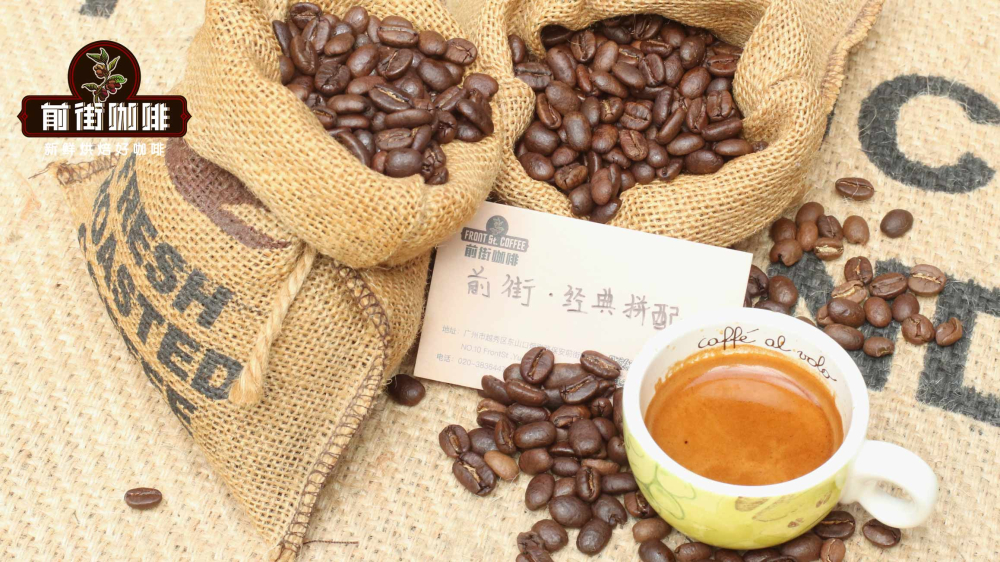
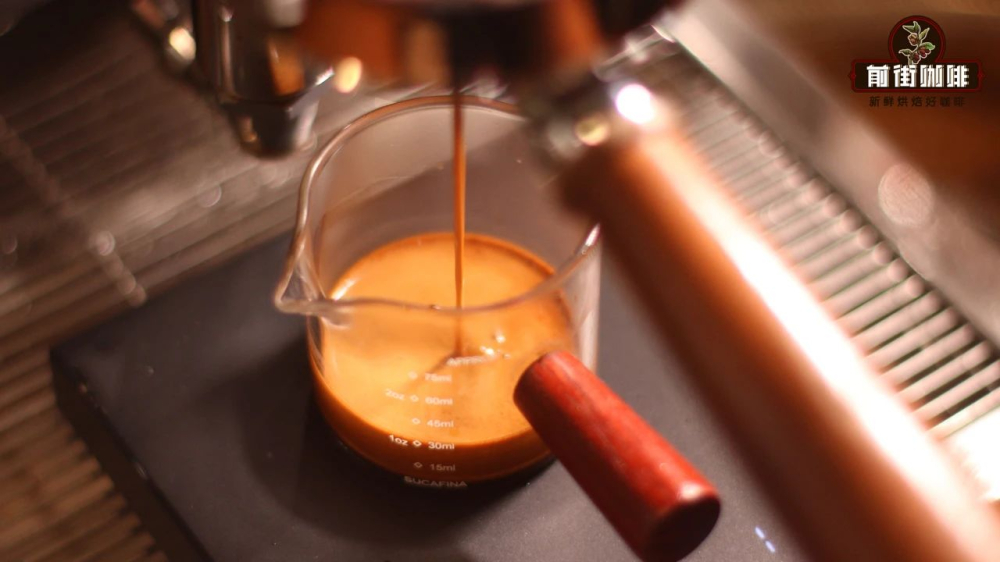
For extracting espresso at home or commercially, parameter adjustment is crucial. Whether SOE or blended beans, espresso's requirements for concentration and extraction time are stricter than those of pour-over, and small deviations may be significantly magnified. It is generally recommended to keep the coffee-to-water ratio between 1:1.5 and 1:2.5; a common and stable ratio is 1:2 (for example, 20 grams of grounds extracting 40 grams of liquid). If the ratio is too low, the coffee tends to taste overly intense or even bitter; if too high, it may taste too weak and sharply acidic.
Extraction time is equally key; usually the ideal extraction time for a single espresso is 20-35 seconds. When observing the flow rate, it is normal if the coffee liquid begins to drip evenly about 5 seconds after pressing the extraction button; if no liquid comes out for a long time or the flow is too fast, the grind may be too fine or too coarse, and the grinder setting should be adjusted promptly.
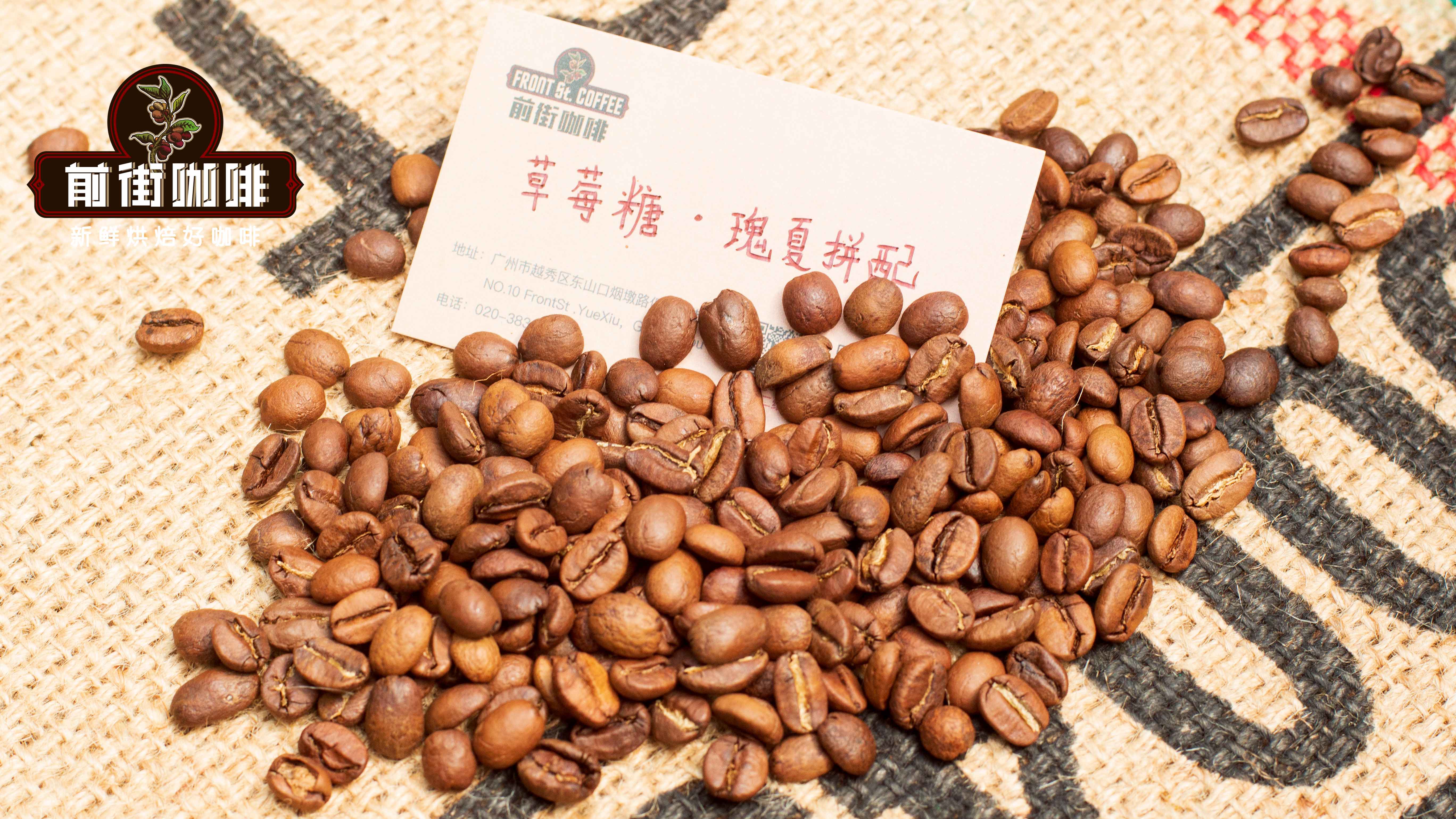
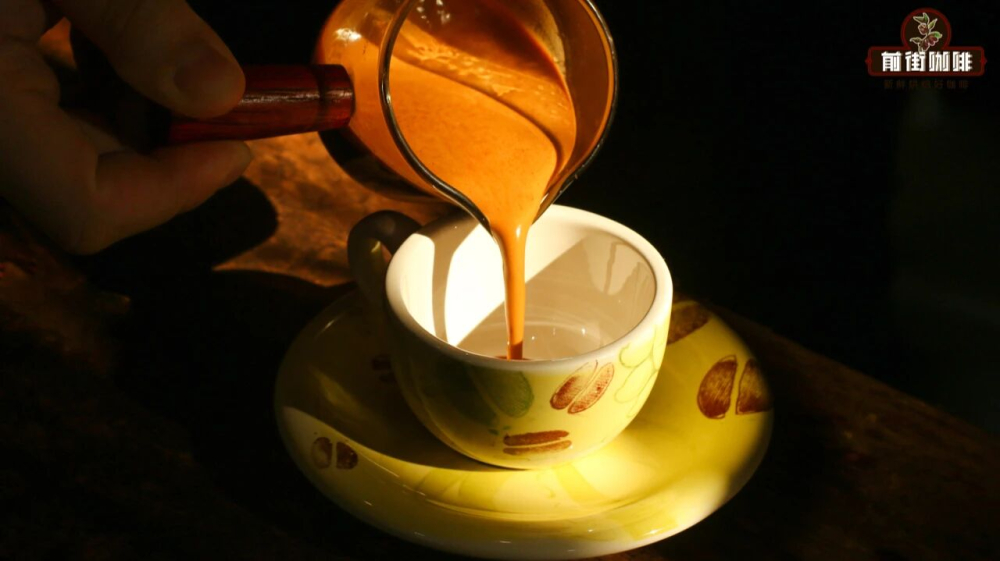
In addition, the state of the crema is also an important indicator for judging the extraction result—a high-quality SOE or espresso should have a fine, evenly colored reddish-brown crema covering its surface; this is the product of aromatic substances in the coffee combining with carbon dioxide under high-pressure extraction, and it directly affects the fullness of the mouthfeel. Be careful to avoid over-extraction that makes the crema dark or too thin.
In summary, SOE coffee, with the vivid flavor of a single origin, has become a new favorite of many coffee lovers, but it also places higher demands on bean source stability and extraction parameters. Master a coffee-to-water ratio of about 1:2 and an extraction time of 20-35 seconds, and fine-tune the grind according to the actual flow rate; whether making SOE or traditional espresso, you can more easily achieve the ideal flavor. Don't forget that the extraction diagram in the images (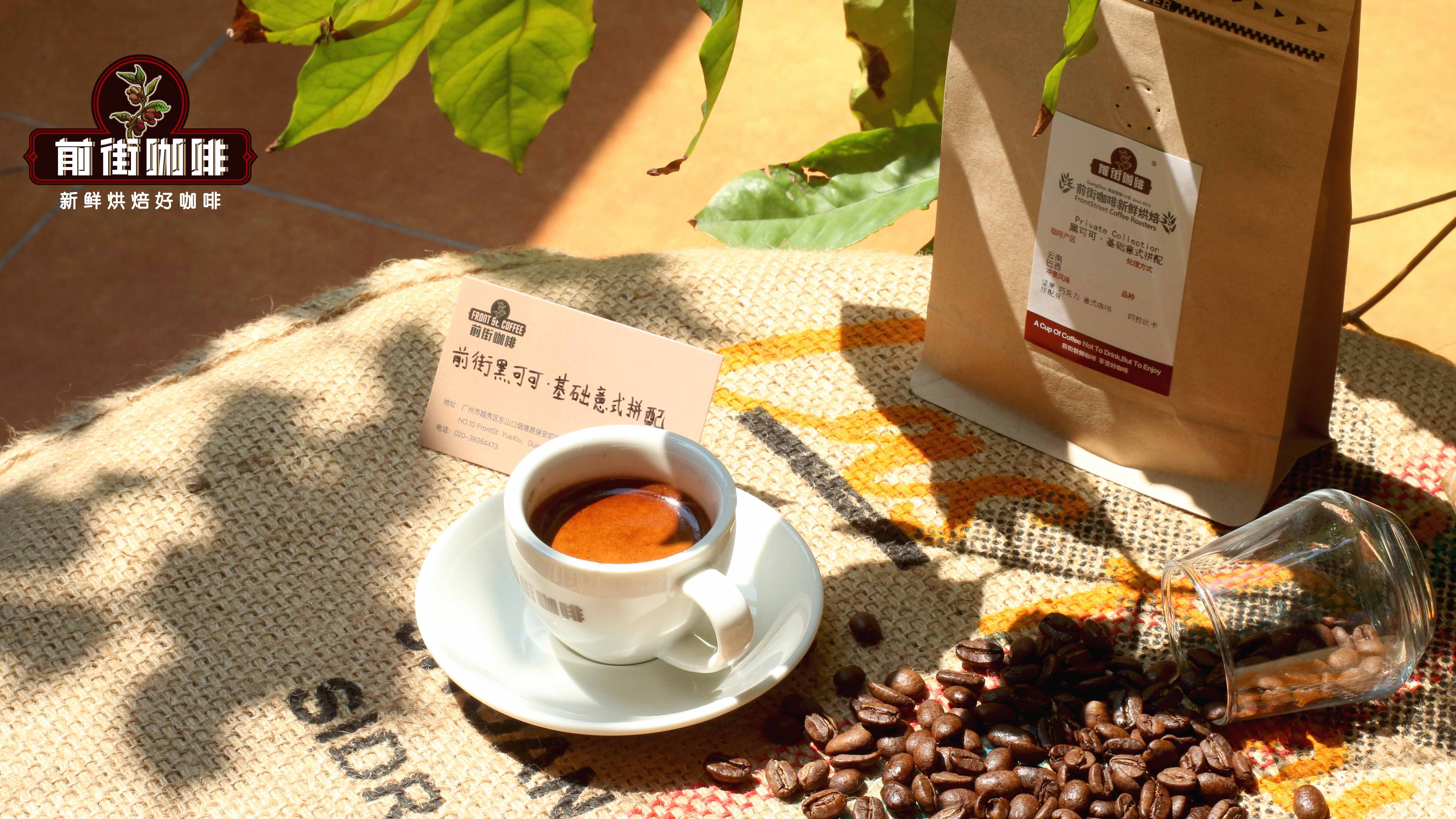 ) and the parameter reference (
 ) can serve as intuitive aids for actual practice.