Drip Bag Coffee Brewing Guide: Fresh Roast Benefits, Flavor Profiles, and Serving Ideas
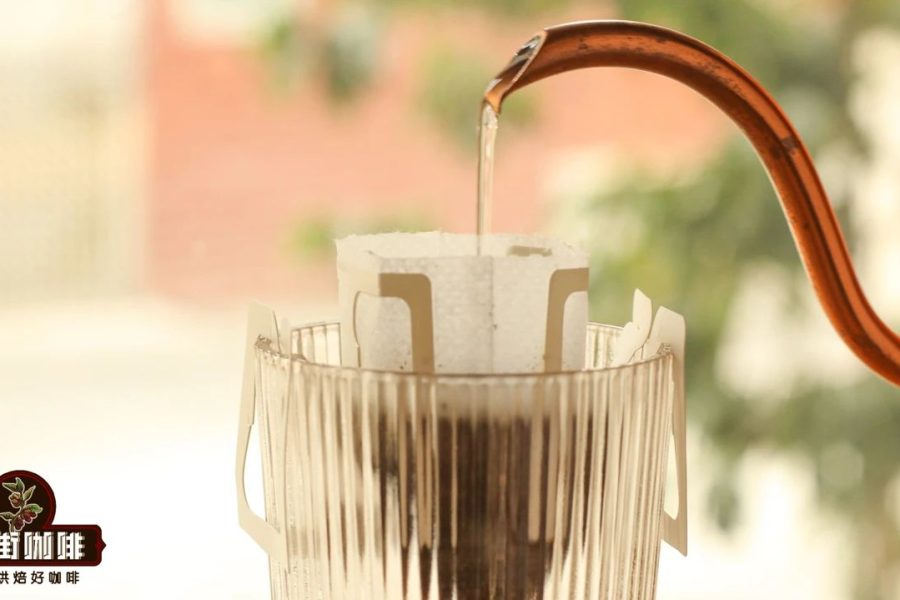
Introduction: Drip bag coffee has become a daily choice for many coffee lovers thanks to its simple operation and stable flavor. This article details the convenient brewing method of drip bag coffee, the flavor benefits of fresh roasting, and how to improve the taste through different brewing techniques. It also provides a variety of practical serving ideas, including tips for making hot drinks and iced coffee, to help you easily enjoy a high-quality coffee experience.
The biggest feature of drip bag coffee is its convenience. Compared with traditional pour-over coffee, which requires precise control of water temperature, pouring technique, and timing ratios, drip bag coffee only needs hot water and brewing according to an appropriate coffee-to-water ratio. This simplified process lowers the entry barrier while retaining the basic flavor characteristics of pour-over coffee.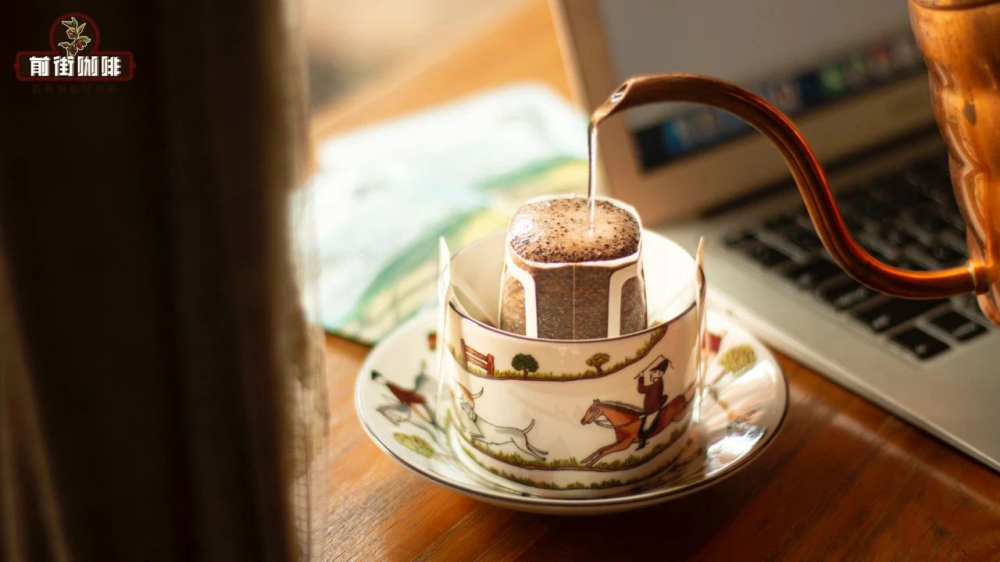
However, because drip bag coffee uses pre-ground coffee powder and requires no complicated equipment, its flavor expression is usually less rich and layered than professional pour-over. In addition, once coffee is ground, its aroma gradually evaporates over time; especially when drip bags are stored for more than a few months, they tend to develop a stale, woody odor that affects the overall drinking experience.
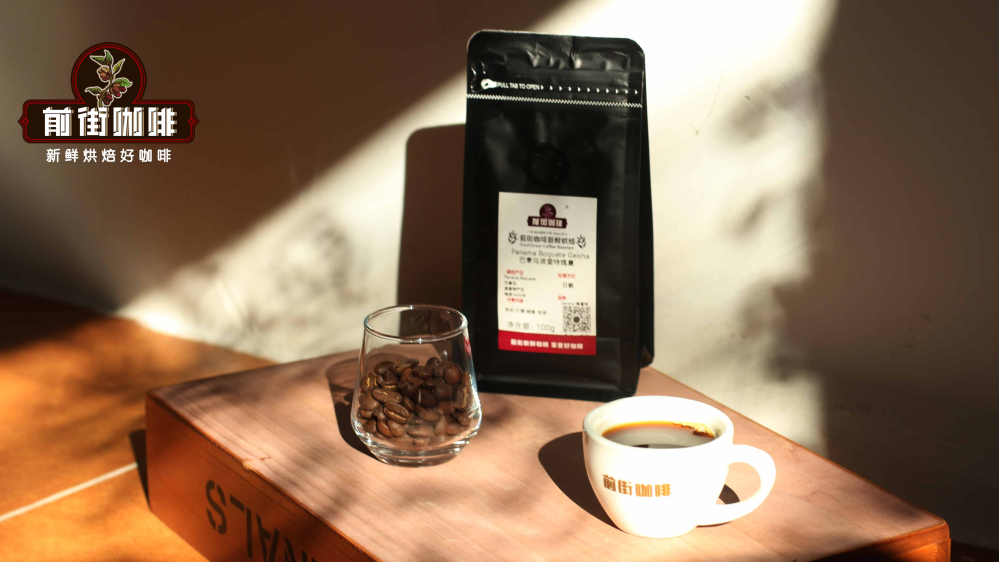
To preserve the coffee's original aroma and flavor as much as possible, many brands use freshly roasted coffee beans to make drip bags. Usually, coffee beans are at their best within 5 days after roasting. Once made into drip bags, they are often in the golden period of 4–5 days after roasting when you receive them, and brewing at this time can restore the coffee's fresh taste to the greatest extent. It is recommended to drink the drip bags as soon as possible after receiving them to enjoy the best flavor. If you pursue richer aroma layers and complexity, you may consider buying whole coffee beans and grinding and brewing them fresh.
When choosing drip bag coffee, it is important to understand the flavor characteristics of different coffee beans. Here are several common flavor types and their representative choices: consumers who prefer floral notes can choose specialty coffee beans from specific origins, which often carry elegant floral aromas; those who like fresh acidity and fruity notes can try beans with black tea and berry flavors, bringing a bright and lively taste; consumers who prefer a balanced taste that is neither sour nor bitter can choose mild, low-acidity and low-bitterness varieties, suitable for daily drinking; and users who pursue a full-bodied, solid taste can consider high-quality dark-roast beans that have been carefully screened, which usually have a lower defect rate, clear aroma, and a noticeably sweet finish.
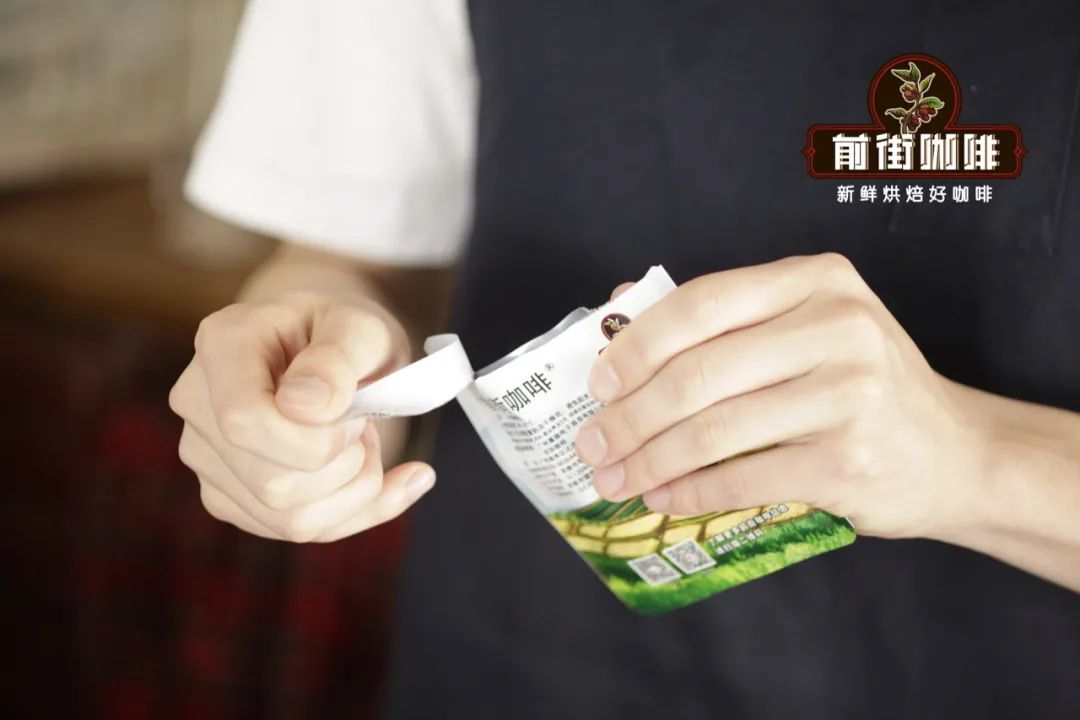
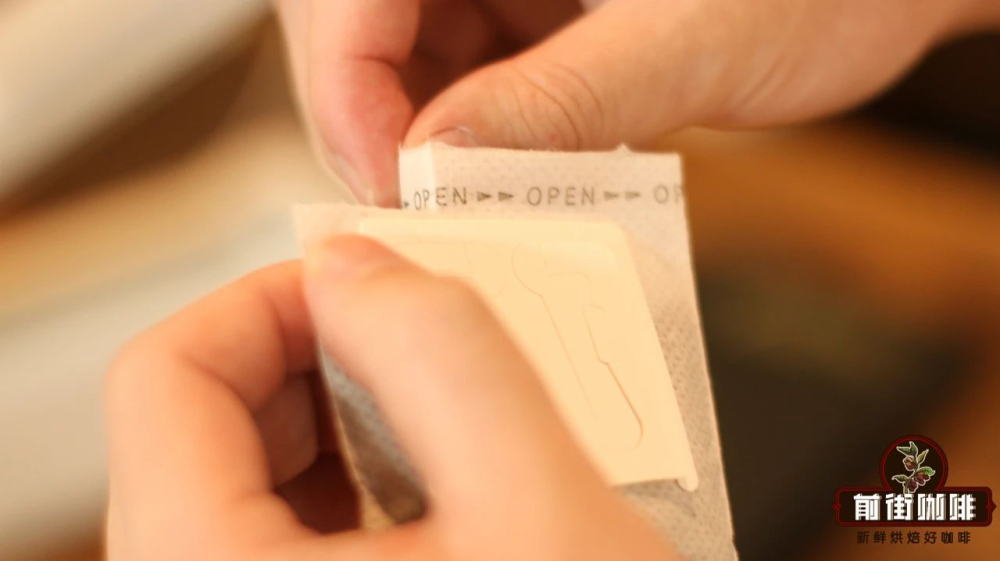
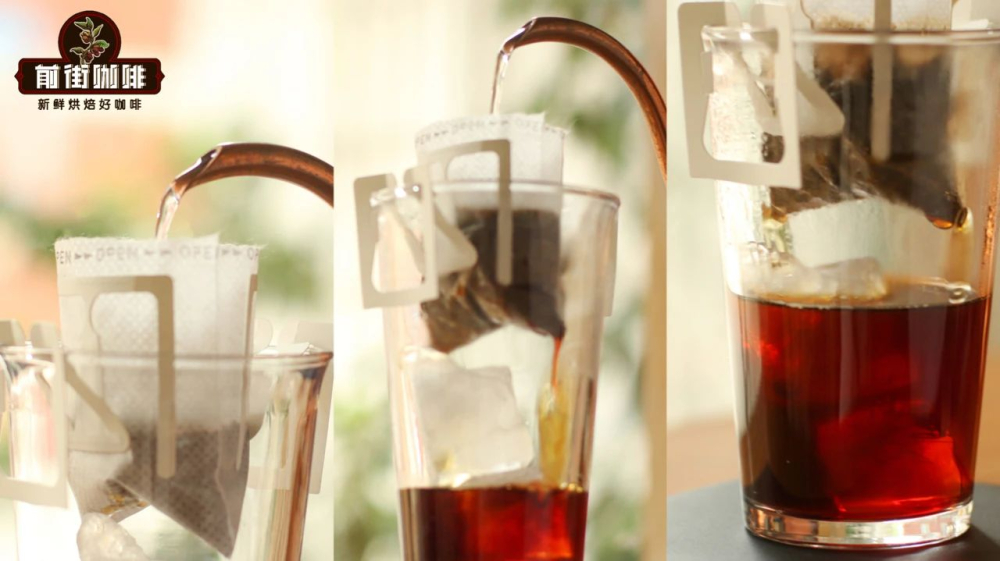
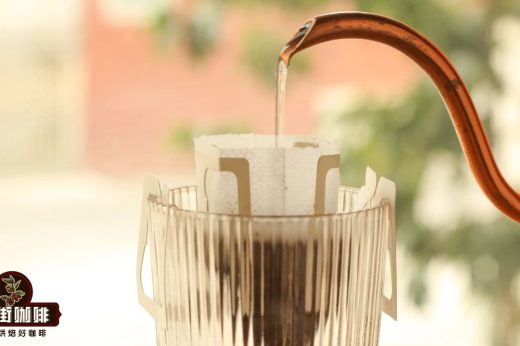
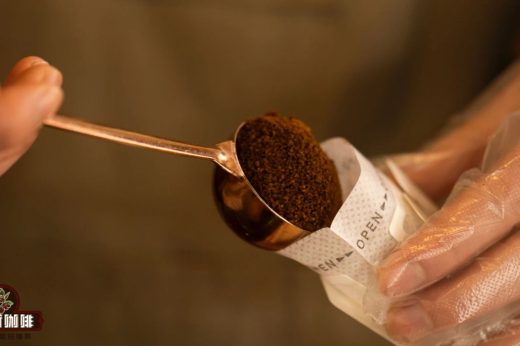
Next, here is the standard drip bag coffee brewing method. First, boil water and prepare a cup or sharing pot of suitable capacity. Open the sealed packaging of the drip bag, tear open the non-woven filter bag along the dotted line on the packaging, gently pull open the "ears" on both sides, and hang them on the rim of the cup or pot. In the first step, pour in a small amount of hot water, just enough to wet all the coffee grounds, then let it sit for 10–20 seconds for blooming. This step helps release carbon dioxide from the coffee grounds and provides a more stable foundation for subsequent extraction. Then, continue pouring with a steady, thin stream until the liquid level is close to the top of the cup, and wait for the coffee liquid to drip through almost completely. Finally, pour in the remaining hot water up to the target amount; generally, the total amount of water is about 150 g. After all the coffee liquid has fully dripped through, it is ready to enjoy.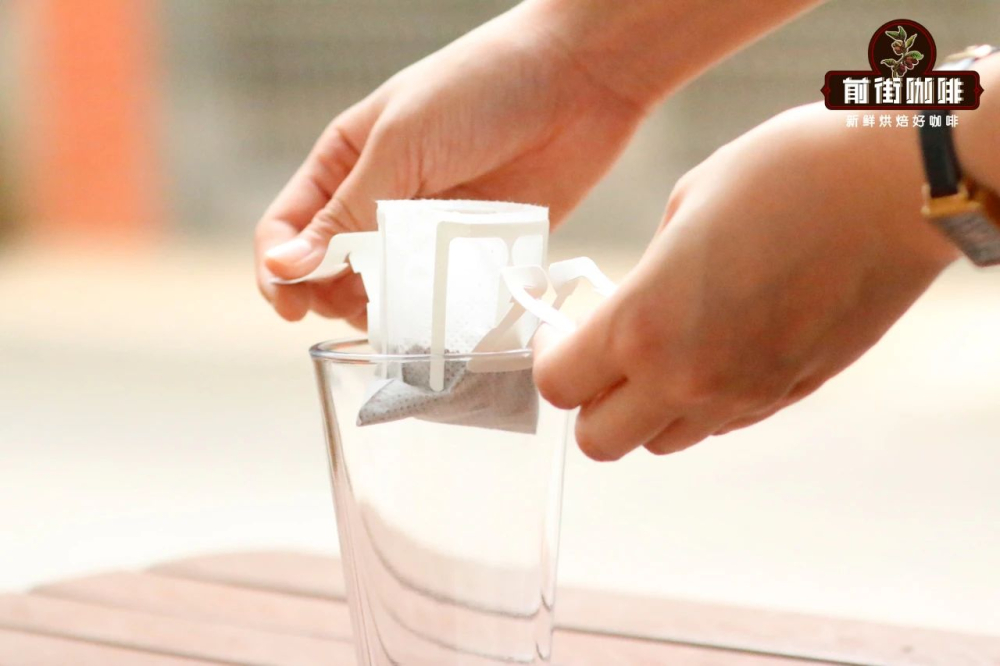
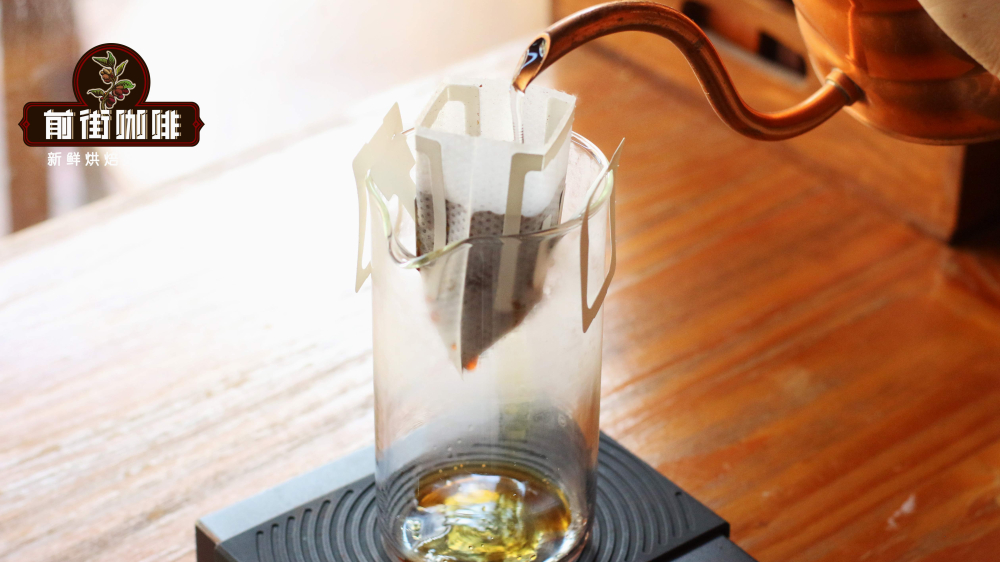
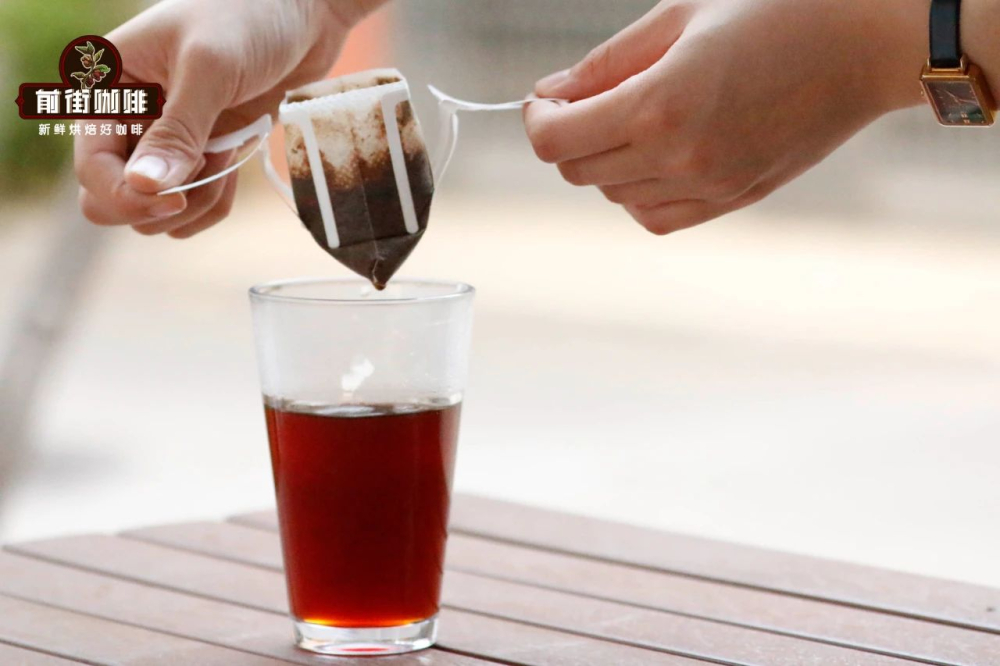
In addition to the usual hot drink, drip bag coffee is also suitable for making iced coffee. The required materials are simple: ice cubes, a coffee cup, hot water, and a drip bag; if available, a digital scale can be used to improve precision. First, put 50–80 g of ice cubes into the cup, open the outer packaging of the drip bag, tear it along the marked line, and hang it on the rim of the cup. Next, control the water temperature at about 93°C; if you don't have a thermometer, you can boil the water, remove the lid, and let it sit for about 2 minutes, at which point the water temperature is roughly between 90–94°C. Then pour hot water into the drip bag in three stages, with each pour reaching about 2/3 of the height of the filter bag; after each pour, wait for the water to drip through completely before pouring again to ensure the coffee grounds are fully soaked. After all the hot water has dripped through, remove the drip bag and discard it. Finally, stir the coffee and ice thoroughly to cool the drink quickly and enhance the taste and flavor of the iced coffee.