Coffee Roasting Basics: How Maillard and Caramelization Shape Flavor
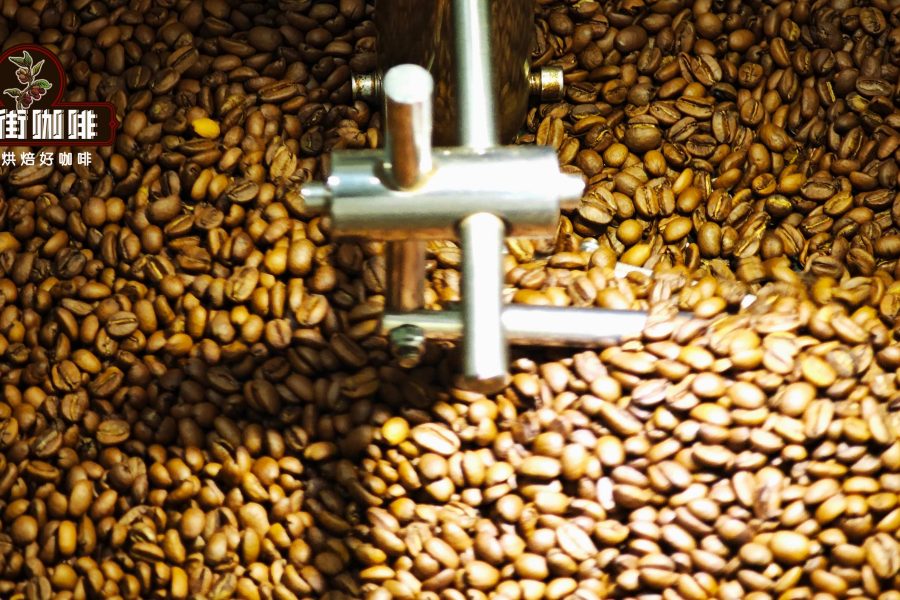
Introduction: The Maillard reaction and caramelization during coffee roasting are key chemical changes that determine the final flavor of coffee. Understanding the principles and effects of these two reactions not only helps you better choose coffee beans, but also enhances the flavor experience when brewing. This article explains the changes at each roasting stage in detail, and how these reactions shape the aroma, mouthfeel, and color of coffee.
Coffee roasting is a complex and precise process that can be roughly divided into three stages. The first stage is usually called the "drying stage" or "bean-loading stage." At this point, the green coffee beans begin to release their internally stored moisture; water migrates from the core of the bean to the surface and evaporates, and the bean body gradually dries out. Although this stage shows little change in appearance, the steam expelled from the roaster often carries a fresh grassy and hay-like scent, which is the initial signal that the green beans have begun to heat up.
Immediately following is the "development stage," which is also the core stage of flavor formation. During this process, the bean temperature continues to rise, triggering a series of important chemical reactions, the most important of which are the Maillard reaction and caramelization. These reactions not only reduce the density of the coffee beans, making their structure looser and more brittle, but also increase their permeability and solubility, laying a good foundation for subsequent extraction. Finally, when the target roast level is reached, the coffee beans are discharged from the roaster and enter the cooling and degassing stage, which stops further reactions and stabilizes the flavor.
The Maillard reaction, discovered by the French chemist L.C. Maillard, is a non-enzymatic browning reaction that is widespread in food processing. Simply put, it is a series of complex reactions that occur between reducing sugars and amino acids or proteins under heating conditions. When the temperature rises to a certain level, usually between 140°C and 165°C, these reactions gradually begin. During the reaction, a variety of intermediate products are generated, ultimately forming dark macromolecular compounds such as melanoidins. These compounds not only give coffee its attractive color, but also impart complex flavor layers and a full-bodied mouthfeel.

The Maillard reaction's contribution to the overall flavor of coffee cannot be ignored. It not only affects the color of coffee, gradually changing it from green beans to light brown to dark brown, but also brings multi-layered aromas and mouthfeel, such as nutty, bready, roasted, and even subtle fruity notes. This richness of flavor is precisely one of the reasons many coffee lovers favor dark or medium-dark roasts.
Another important reaction is caramelization, which mainly occurs in the middle and late stages of coffee roasting, especially after the "first crack" stage. Caramelization refers to the dehydration and decomposition of sugars (mainly sucrose) in coffee beans under high-temperature conditions, producing two main types of substances: one is sugar polymerization products, such as caramel or sauce-colored polymers, which add deep tones to coffee; the other is volatile small molecules, such as aldehydes and ketones, which not only carry sweetness but also bring pleasant aromas of fruit, caramel, and roasted nuts to coffee.

Caramelization noticeably deepens the color of coffee beans while enhancing sweetness and aroma complexity. The best expression of this reaction usually appears in medium to medium-dark roasted coffee beans, which often display richer sweet aromas and caramel flavors, suitable for pour-over, drip, and various other brewing methods.

Overall, the Maillard reaction and caramelization complement each other in coffee roasting and together determine the final flavor profile of coffee. The former mostly affects the overall aroma structure and body, while the latter focuses on strengthening sweetness and specific flavor expressions such as fruity and caramel notes. These reactions not only play a role in coffee roasting; similar processes also appear in food processing such as baking bread and roasting meat, but coffee, due to the characteristics of its raw material, is more sensitive to these reactions, and its flavor changes are more delicate.
When selecting and brewing coffee in daily life, understanding roasting reactions helps judge the roast level and flavor tendencies of beans. For example, medium-roasted coffee often combines the nutty aroma of the Maillard reaction with the slight sweetness brought by caramelization, suiting most people's tastes; dark roasts, because the Maillard reaction goes deeper, may present stronger roasted and woody notes, while caramelization provides a certain sweet base for such coffee.
It should be noted that precise control of roasting time is very important. If the roasting time is insufficient, especially if caramelization does not fully occur, the coffee tends to seem flat in aroma and lacking in layers; conversely, if over-roasted, it may lead to excessive bitter and burnt flavors that mask the original delicate flavors. Therefore, mastering the roasting curve and the timing of reactions is the key for roasters to balance flavor.

By understanding these chemical reactions, coffee lovers can not only better appreciate the uniqueness of each cup of coffee, but also be more adept at choosing coffee beans and adjusting brewing parameters, enjoying a richer taste experience.