Guatemala Finca Cundillia Washed Beans: A Top-10 COE Fruity Pour-Over Pick
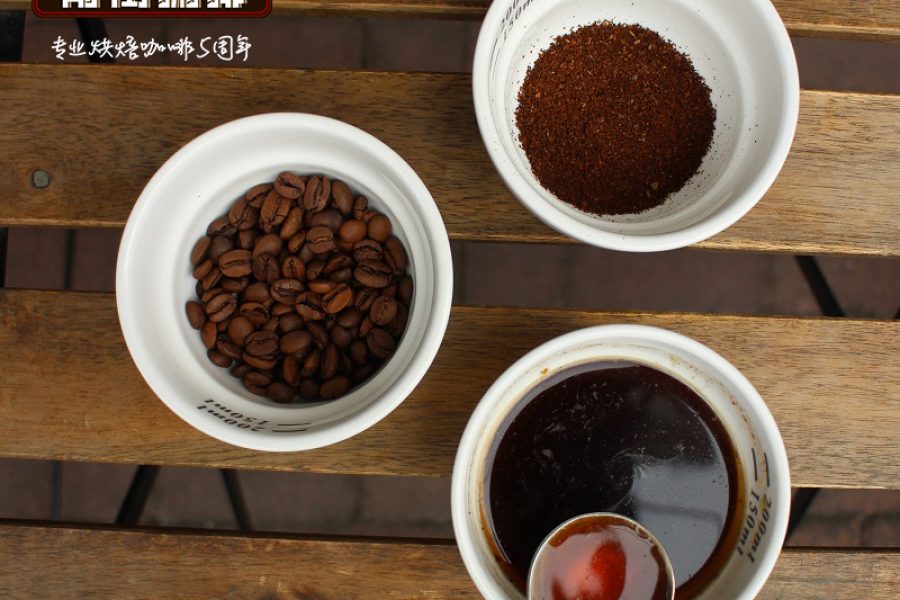
Introduction: This specialty coffee from Huehuetenango, Guatemala, is a joint lot from three historic family farms, washed in the traditional way to bring out bright fruit acidity and layered fruit aromas. A field visit reveals its unique growing environment and management practices, along with brewing recommendations to help you fully experience the flavor appeal of COE competition-grade Arabica.
In Huehuetenango in northwestern Guatemala, there is a stretch of land far from the volcanic belt that nonetheless produces excellent coffee. Its microclimate is complex and varied, with a marked day-night temperature difference that gives coffee trees ideal growing conditions. Finca Cundillia is not a single farm but a specialty coffee alliance of three distinctive estates—Finca Joya Grande, Finca Vasquez and Finca La Maravilla—whose washed blend has twice placed in the top ten of Guatemala's Cup of Excellence (COE).
Finca Joya Grande, on the eastern side of the mountains, was established in 1976, originally as a small experimental coffee plot. In the early days transport was extremely difficult, and the farm's fertilizer and seedlings depended on mule and horse transport; this isolated environment instead pushed the growers to focus on improving coffee quality. The farm strictly follows shade-growing principles, retaining native trees as a natural shade canopy while setting aside large areas as forest reserves that provide habitat for hummingbirds, sloths and other wildlife. Notably, they turn the pectin waste from the washing process into organic compost, creating an ecological model of resource recycling.
Finca Vasquez's history dates back to 1980, when founder Don Jose Vasquez moved from neighboring Colotenango to the La Libertad area of Huehuetenango, drawn by its high-altitude potential. Today it is managed jointly by his grandchildren Genaro and Juan Vasquez, continuing the old owner's commitment to the traditional Bourbon variety. Growing altitudes are kept between 1,600 and 1,800 meters; this height gives the beans distinct citrus notes and lively acidity while maintaining a good sweetness balance.
Finca La Maravilla's story began in 1997, when its operators took over an abandoned coffee plantation (formerly part of an El Injerto estate expansion). Through seven years of careful restoration, they turned it into a meticulously managed organic farm. What is special is the insistence on manual weeding, with chemical herbicides completely banned—a seemingly inefficient approach that instead protects the soil's microbial community. This plot mainly grows the disease-resistant Pacamara and Caturra varieties, with trees generally over 20 years old, and the fruit they bear has an intense berry aroma.
The standard washed process used by all three farms includes strict sorting: pickers collect only fully red, ripe coffee cherries; after the pulp is removed, the beans go into fermentation tanks for 24–36 hours of temperature-controlled fermentation (held at 18–22°C), then are rinsed in running clean water at least three times to thoroughly remove the mucilage. For drying, African raised beds are used, with batches dried under shade nets for 18–25 days, turned 3–4 times daily to ensure even dehydration, and the final moisture content is precisely controlled at around 11%.
The variety blend of this lot has been optimized over many years—Bourbon provides a full body and caramel finish, Caturra contributes bright lemony acidity, and Pacamara brings a distinctive blackcurrant and black tea character. For pour-over, a V60 dripper is recommended, with a 1:15 coffee-to-water ratio, 92°C water and a staged pouring method: first pour 50 g of water and let it bloom for 30 seconds, then pour in circles to 125 g in stages, and finish all 225 g of water at 1 minute 10 seconds. This effectively highlights its multi-layered fruit character, moving from citrus freshness to mid-palate berry flavors, with a honeyed sweetness in the finish.
For enthusiasts new to specialty coffee, this bean is an excellent entry point for experiencing Central American coffee terroir. When buying, check the roast date and drink within 7–21 days of roasting; grind slightly coarser than fine sugar. Freshness directly affects how lively the fruit acidity is. Store sealed and away from light in a cool place; refrigeration is not necessary.


