Guatemala Finca Candelaria Washed Beans: COE Top 10 Pour-Over Flavor Analysis
Introduction: This specialty coffee from Guatemala's Huehuetenango region is jointly produced by three historic family farms. Through washed processing, it perfectly presents the distinctive fruit tones of the Bourbon, Caturra and Pacamara varieties, has twice placed in the top ten of the COE competition, and is an excellent choice for pour-over enthusiasts exploring flavors. This article will take you deep into the cultivation secrets and flavor code of this microclimate treasure.
Located in the western highlands of Guatemala, the Huehuetenango region is not a traditional volcanic soil area, yet thanks to the diverse microclimates created by its complex terrain, it is a natural cradle for high-quality washed coffee. Altitudes here generally exceed 1,500 meters, with significant day-night temperature differences and a mild average annual temperature of 22°C, providing ideal growing conditions for coffee trees.
The estate system consists of three distinctive growing units: Finca Joya Grande (founded in 1976), Finca Vasquez (established in 1980) and Finca La Maravilla (converted and completed in 1997). All three farms jointly adopt strict ecological growing standards; among them, Finca Joya Grande still retains the traditional practice of transporting fertilizer by horse, and all the pectin waste from its coffee processing is converted into organic compost.
In terms of variety configuration, this estate group grows the classic Bourbon, Caturra and the newer Pacamara. The Bourbon variety contributes bright citrus acidity, Caturra brings moderate body, and Pacamara imparts a unique layered flavor of nuts and tropical fruit. This multi-variety mixed planting model has been optimized over decades, forming a highly recognizable composite aroma profile.
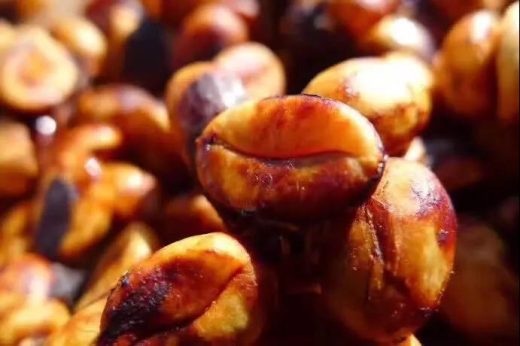
The processing method uses the traditional washed process: after picking, the coffee cherries undergo strict screening to remove unripe fruits and defective beans. The fermentation stage is controlled within 18-24 hours, with precise monitoring of pH changes to ensure moderate pectin decomposition. After washing, the beans are shade-dried on African raised beds for 20-25 days, during which they are turned 3-4 times daily to ensure even drying, with the final moisture content stabilized at around 11.5%.
Particularly noteworthy are the ecological management measures of Finca La Maravilla: all weeds are removed manually, completely eliminating the use of herbicides; more than 30% of the farm is retained as primary forest coverage, providing habitat for hummingbirds, sloths and other wildlife. This sustainable farming model not only protects biodiversity but also maintains soil microbial balance through the natural ecosystem.
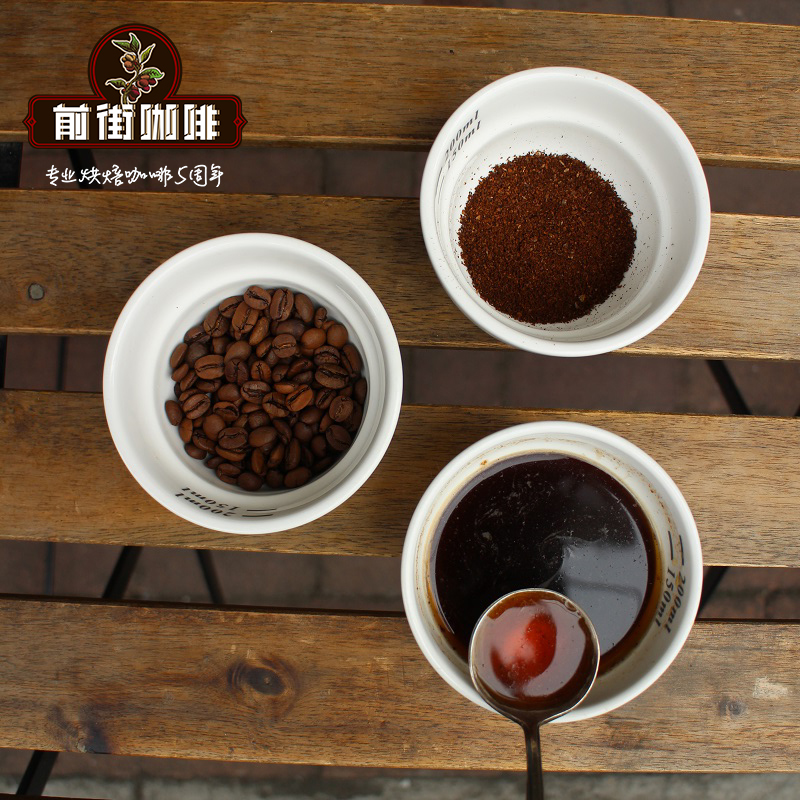
In terms of flavor performance, this estate blend shows well-defined fruit tones in cupping: the entry first captures obvious red apple and citrus acidity, the middle reveals caramel sweetness and jasmine floral notes, and the finish carries a wine-like tannic aftertaste. Recommended pour-over parameters: coffee-to-water ratio 1:15-1:16, grind size between medium-fine and medium-coarse (Chinese standard sieve No. 8-10), water temperature controlled at 90-92°C; a three-stage pouring method better highlights its flavor complexity.
For coffee lovers, this COE competition regular is not only a high-quality subject for flavor appreciation; the family heritage farming philosophy and ecological conservation practices behind it are equally worth exploring. Whether as a daily staple bean or a single-origin coffee experience, it delivers sensory enjoyment and cognitive reward beyond expectations.