Nicaragua Pacamara Maragogype: Flavor Analysis and Buying Guide for Pour-Over
Introduction: Nicaragua Pacamara Maragogype, a rare specialty coffee variety in Central America, combines the strengths of Pacas and Maragogype and is known for its bright acidity and full body. This article provides an in-depth analysis of its flavor characteristics, growing background and market prices, compares its performance in the 2005 COE competition, and offers practical information such as growing-region altitude grading to help you accurately choose high-quality beans suitable for pour-over.
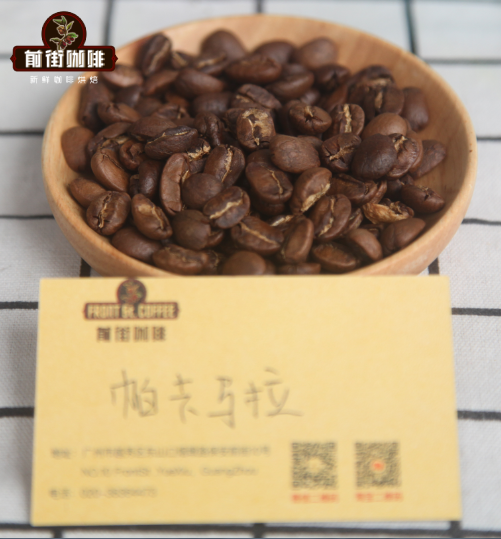
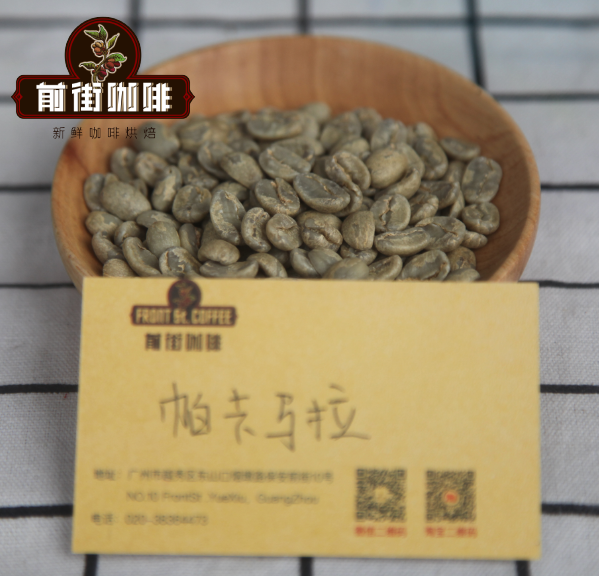
Nicaragua Pacamara Maragogype can be called a "hidden gem" among Central American coffees. This variety, bred by crossing Pacas and Maragogype, has long been sparsely planted because of its low yield, yet it has emerged in international competitions thanks to its unique flavor potential. Its large Maragogype bean size of 18-20 screen gives it a fuller body, while the Pacas genetics bring bright citrus notes.
The flavor layers of this variety are textbook-level: the first sip is a lively collision of citric acidity and peachy sweetness, the middle reveals warm notes of caramel and roasted nuts, and the finish continues to release a full aftertaste like dark chocolate. Professional cupping data show that its sweetness score generally reaches 8.5/10 or above, and the optimal range for the balance value between acidity and body (Brew Ratio) is 1:15-1:16.
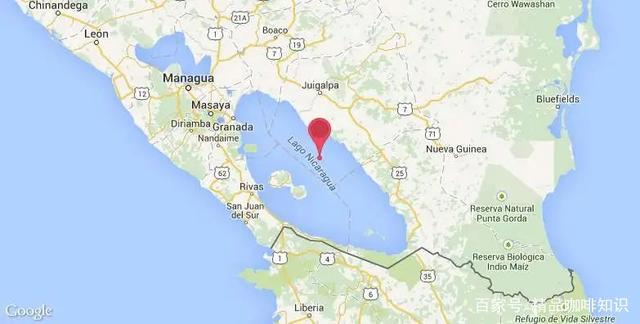
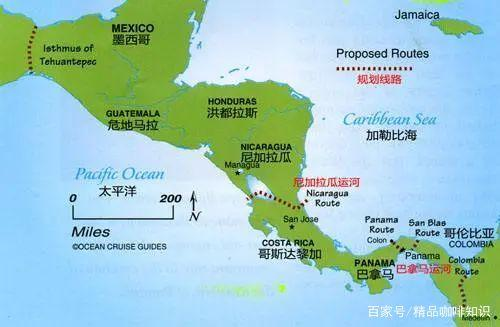
Nicaragua's unique geographical environment provides ideal growing conditions for Pacamara. The country spans the 12°N-15°N golden coffee belt, and the central highlands have an average annual temperature stable at 18-22°C, together with abundant rainfall of 1500-2500mm, forming a microclimate with a day-night temperature difference of 8-10°C. The potassium and phosphorus elements rich in the volcanic soil are especially conducive to sugar accumulation in the coffee fruit.
Looking back at coffee history, Nicaragua has gone through many ups and downs: when the coffee industry started in the late 19th century, it was hit by Brazilian monopoly; political turmoil in the 20th century led to stagnation in production. It was not until after 1990, with the rise of the smallholder cooperative model, that specialty coffee regained development opportunities. At present, about 85% of the country's coffee is still produced by family farms, of which 40% is Rainforest Alliance certified.
The four core producing regions each have their own characteristics: Nueva Segovia (1300-1650 meters above sea level) is known for floral and fruity notes, Matagalpa (1200-1400 meters) produces a full and balanced nutty chocolate flavor, Jinotega (1100-1700 meters) suits consumers who prefer bright acidity, while the Pacific coastal region focuses on low-altitude commercial beans. Pacamara is mainly concentrated in the cloud-mist zones above 1500 meters, and the harvest period is usually from December to March of the following year.
Coffee grading strictly follows altitude standards:
• SHG (1500-2000 meters): highest density, most concentrated flavor
• HG (1300-1500 meters): excellent balance
• MG (1000-1300 meters): a cost-effective choice
• LG (500-1000 meters): mostly commercial beans
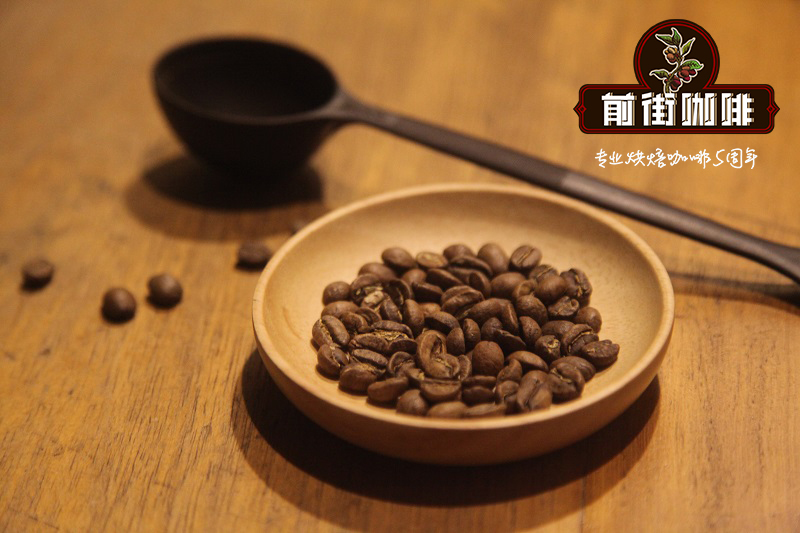
The cultivation practices of Cloud Mist Estate are worth noting: it adopts ecological cultivation with 60% shade, retaining native trees to maintain biodiversity. During manual harvesting, only ripe fruits 3-5 days after the red-fruit stage are selected; after defective beans are removed by flotation, they are processed by the traditional washed method—fermentation time is controlled at 18-24 hours, and they are dried to a moisture content of 11-12%. This process preserves the varietal characteristics of Pacamara to the greatest extent.
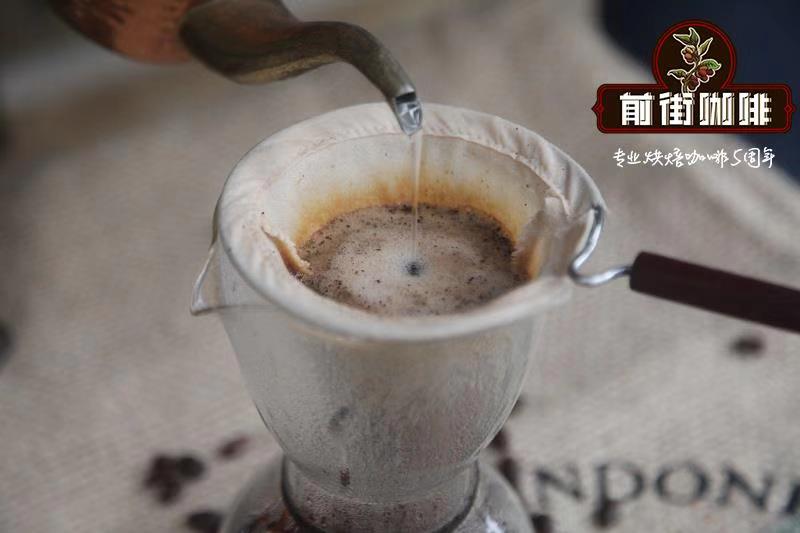
Buying advice: look for batches labeled "Nicaragua SHG Ep 1500+", and be sure to confirm the harvest year (fresh beans roasted within 12 months are recommended). Recommended pour-over parameters: use a V60 dripper with 90-92°C water temperature, a coffee-to-water ratio of 1:15, and a grind size close to granulated sugar (70-75% passing through China standard No. 20 sieve). A common mistake is over-extending the extraction time; it is recommended to keep the total time at 2 minutes 10 seconds-2 minutes 30 seconds.