Pour-Over Coffee Beginner's Guide: Dripper Choice, Pouring Technique and Parameter Control
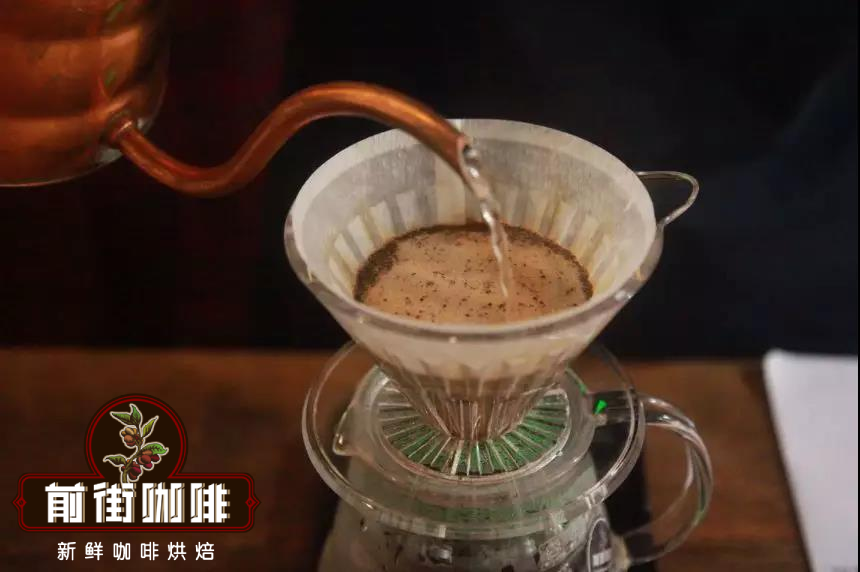
Introduction: Learn pour-over coffee from scratch and master basic equipment selection, blooming techniques and pouring methods. This article explains the differences between dripper types, compares the pros and cons of paper filters and flannel cloth, provides standard brewing parameters for a 20g dose, and offers differentiated advice for light and medium roasts to help beginners avoid common extraction problems.
Equipment choice in pour-over coffee directly affects the beginner's experience. Common dripper designs are classified by their bottom hole as single-hole (such as the Melitta cup), double-hole and triple-hole types; single-hole drippers demand extremely high control of the water flow, and the slightest instability in flow rate easily leads to uneven extraction, so beginners are advised to choose a wave-shaped dripper (also called a cake cup) first. This type of dripper stabilizes the flow through its guiding rib structure and, combined with a coffee-to-water ratio of 1:11 to 1:15, makes it easier to achieve consistent extraction.
As for the filter medium, virgin wood pulp filter paper remains the best overall solution. Besides being easy to clean up, its fiber structure effectively filters out diterpenes (such as cafestol) from the coffee oils, reducing the risk of stomach irritation. If you are after flavor complexity, you can try a flannel cloth filter, but be sure to wash it promptly after each use and dry it in the shade, to avoid residual oils oxidizing and affecting subsequent brews. The Swiss gold filter commonly used by professional baristas retains more oils, but demands greater precision in grind size, making it more suitable for advanced practice.
The blooming stage is the key step in activating the coffee grounds. Freshly roasted coffee beans (within 7 days of the roast date) need a small amount of hot water (about 1.5 times the dose) poured evenly over the bed, then left to sit for 40-60 seconds until the bed visibly expands; for beans more than a week past roast, the bloom time can be shortened to 20-40 seconds. Observe the state of the bed—high-quality green beans will show an even honeycomb structure after blooming, accompanied by the release of coffee aroma, which is a direct sign that the internal carbon dioxide has been fully expelled.
For the main pouring stage, the center-outward radial pouring method is recommended: with the center of the dripper as the pivot, keep the stream about 5 cm above the bed, pour in a clockwise circle at 1-2 ml per second, and gradually widen the diameter of the stream from the inside out. For the first pour, start slowly from the center until one-third of the dose is reached, then pause and wait until the water level drops to expose the bed before continuing to the target water amount. Common mistakes include holding the stream too high, which causes channeling, or pouring at an uneven rate, which causes localized over-extraction; using a kitchen scale to monitor the poured amount in real time is recommended.
Parameter settings for different roast levels: for medium-roast coffee beans (roasted after first crack), a medium-coarse grind (similar to fine granulated sugar) is recommended, with 88°C water temperature, a 20-gram dose and 220-260 ml of water, with total extraction time controlled at about 2 minutes (including a 30-45 second bloom). Light-roast beans require a finer grind (close to the texture of table salt), a water temperature raised to 90-92°C, and staged pouring (for example, first pour 50% of the water for the bloom, wait 10 seconds, then continue pouring) to promote the dissolution of flavor compounds.
Tips for handling common problems: when the coffee drains too slowly, check whether the filter paper is clinging to the dripper wall, or coarsen the grind slightly to increase the gaps in the bed; if there is an obvious burnt-bitter taste, it is usually caused by extraction time exceeding 3 minutes or water temperature being too high, in which case you should reduce the dose or lower the temperature. Advanced brewers can balance strength and mouthfeel by adjusting the coffee-to-water ratio (for example, 1:13 to 1:16), but must keep the pouring technique consistent to ensure the experiments are comparable.


