Choose the Right Beans: A Guide to Long-Lasting Sweetness in Dark Roasts
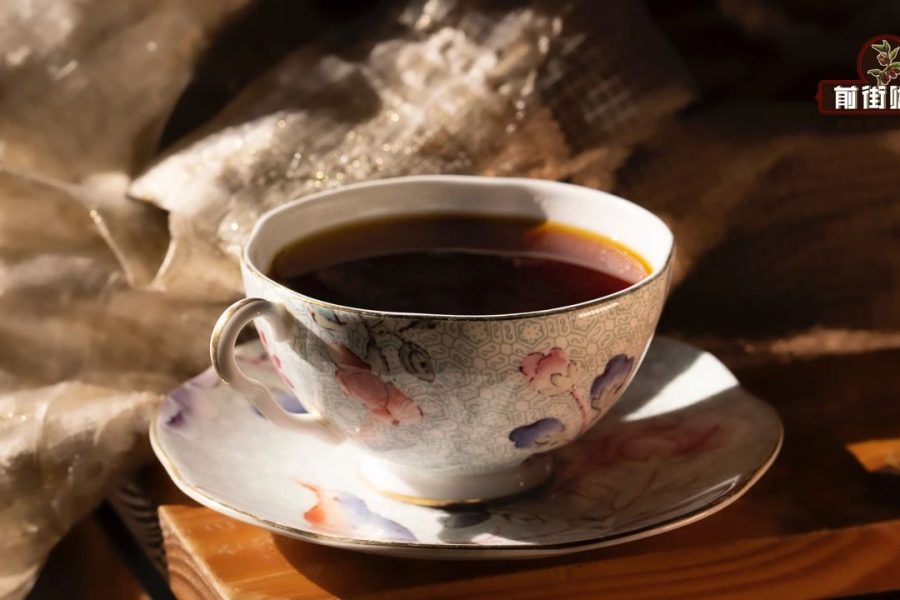
Introduction: Are you always troubled by sourness when choosing coffee beans? In fact, mastering roast levels and variety characteristics is the key to finding full-bodied coffee with a sweet finish. This article explains the difference between coffee's finish and its sweet aftertaste, analyzes why dark-roasted beans have an obvious bitter note yet a long-lasting sweetness, and recommends 4 classic varieties at different roast levels, along with the aroma layers and mouthfeel characteristics after brewing, to help you find the acid-free, sweet-finishing coffee that suits you.
“Sweet aftertaste that stimulates saliva, sweetness emerging after bitterness” is often used to describe the finish of fine tea, and in coffee tasting, the sweet aftertaste is likewise an important indicator of flavor complexity. This sweet sensation that rises back from the mouth after swallowing is fundamentally different from simple sweetness—sweetness is an immediate taste response, while the sweet aftertaste is a continuation of sweetness that gradually emerges in the finish.
To understand the sweet aftertaste, one must first distinguish the stages of coffee flavor: the aroma, acidity, sweetness, bitterness, saltiness, and tactile sensation felt before swallowing belong to flavor and mouthfeel; the aroma, temperature changes, and sweet-bitter balance remaining in the mouth after swallowing constitute the finish. Just as wine tasting focuses on the mineral sensation of the finish, the length and quality of coffee's finish directly affect the overall experience.
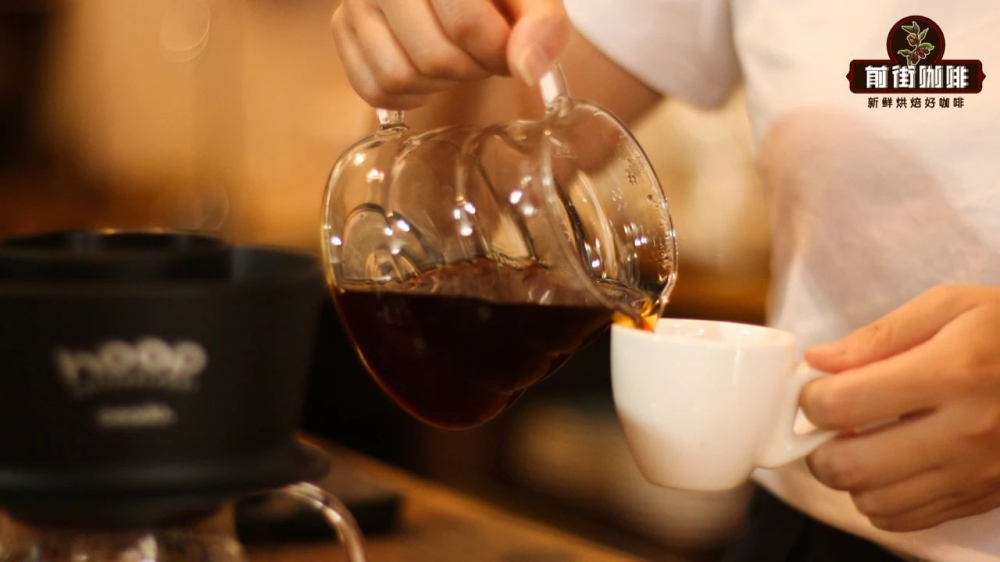
Light-roasted coffee beans, due to their short development time, retain more floral and fruity acidity and small-molecule compounds, giving a bright entry but a short finish. These beans lose volatile substances quickly after brewing, often showing an aroma that rises first and then fades. For example, some light-roasted beans present a fresh fruit acidity similar to sugar oranges, paired with honey sweetness and an astringency like oolong tea, but the finish is usually less persistent than that of dark-roasted beans.
Dark roasting, by extending the roasting time, allows sufficient caramelization reactions to occur within the bean, with acidic substances almost entirely broken down, instead generating large amounts of dark chocolate, cocoa, and woody compounds. These beans generally show low acidity and high bitterness, but high-quality dark roasts release a lingering sweetness after the bitterness fades, forming the signature sweet aftertaste.
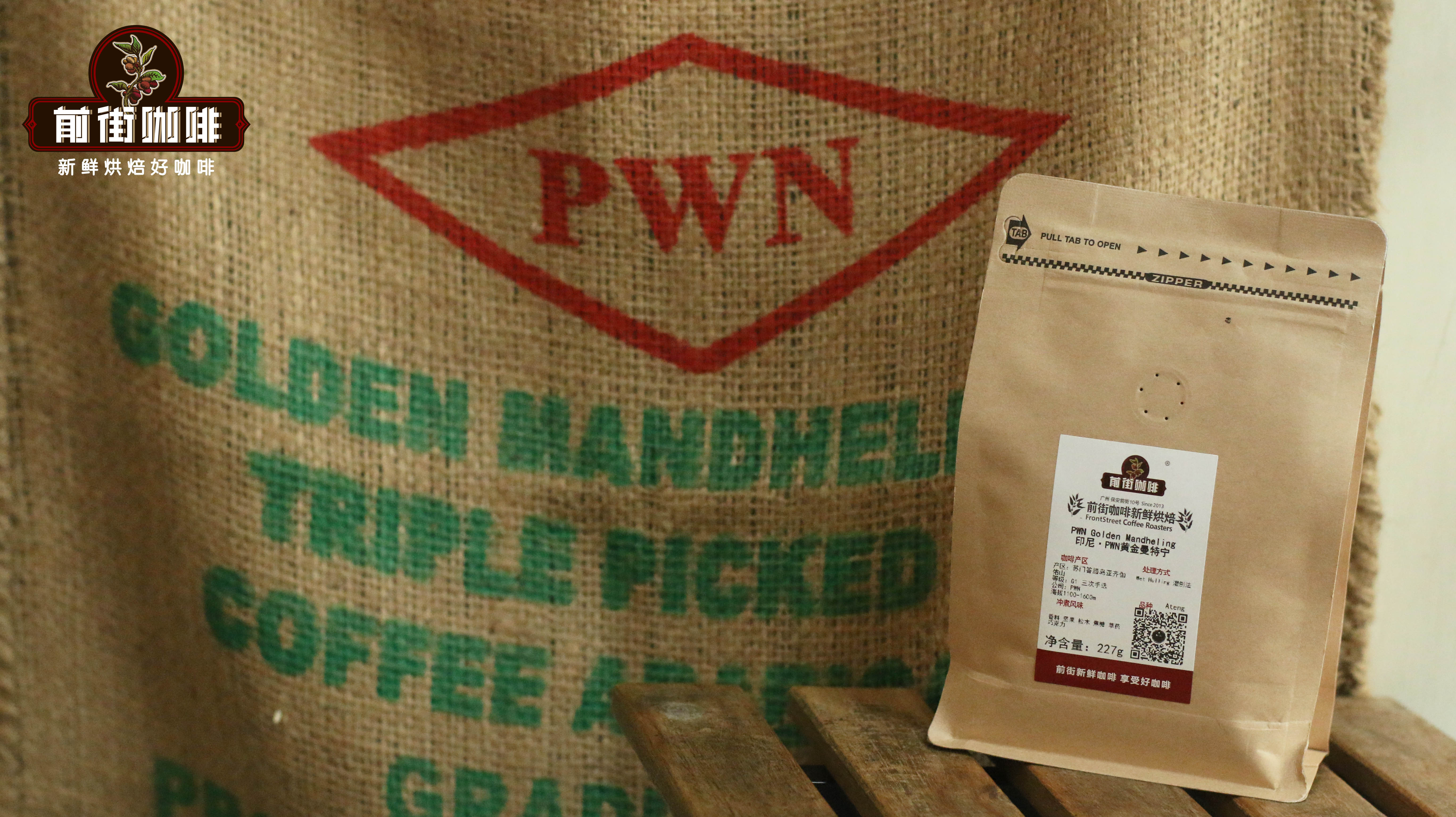
The first recommended high-value dark roast is Indonesian Golden Mandheling. This variety undergoes three rounds of manual sorting to ensure uniform bean size, and is roasted at a dark roast close to the early second crack. After brewing it gives off pine and herbal notes, accompanied by caramel sweetness and a hint of spice. Its full body and dark chocolate sweet aftertaste lasting more than 15 seconds make it suitable for drinkers who enjoy a rich mouthfeel. (This corresponds to the position of original image 3)
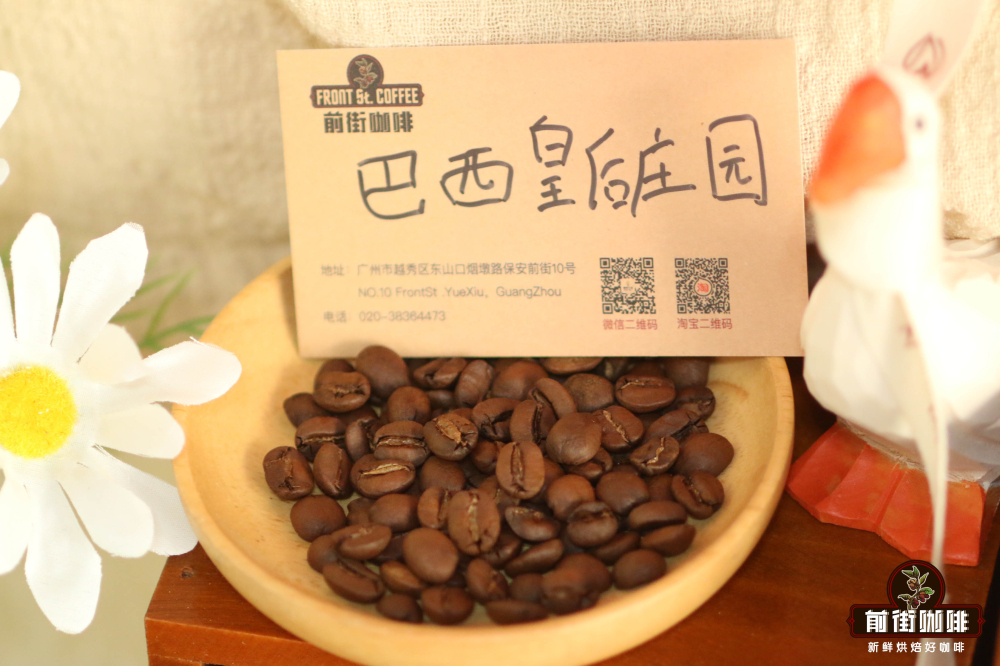
The second classic choice is Brazil Queen's Estate beans. As a representative South American variety, it shows the classic combination of nuts and dark chocolate; the entry presents a slight bitterness similar to roasted peanuts, after which the sweetness gradually rises and remains stable. The middle section develops a smooth transition of milk chocolate, and the finish is clean with no off-flavors—a textbook example of balanced acidity and bitterness. (This corresponds to the position of original image 4)
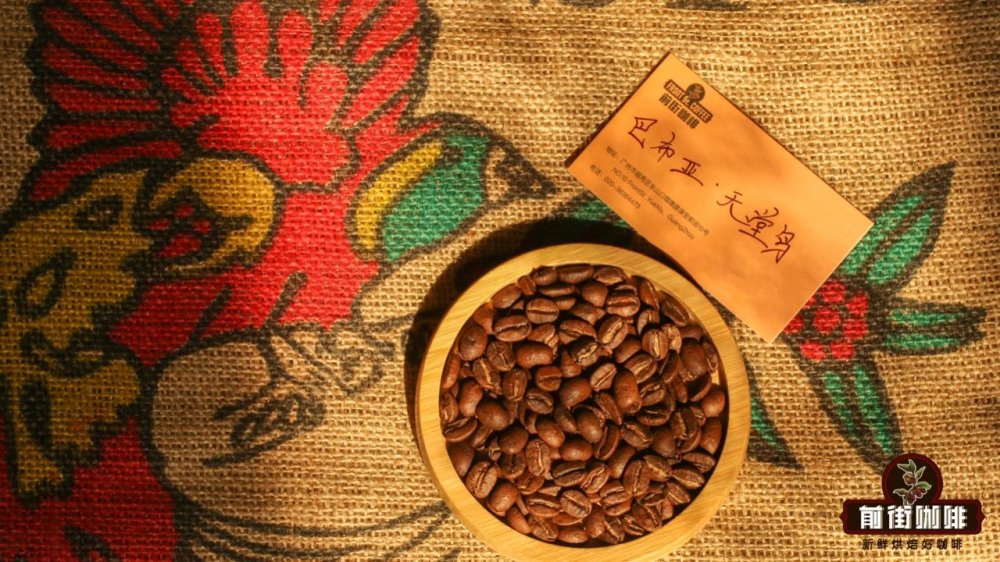
If you prefer the mild character of a medium roast, Papua New Guinea Paradise Bird is worth trying. This bean uses a medium-dark roast to highlight the sweet base of nuts and toasted bread, retaining only a slight berry acidity as a flavor accent. Its sugarcane-like clean sweet aftertaste and spice notes form a three-stage layering, especially suitable for consumers new to dark roasts. (This corresponds to the position of original image 5)
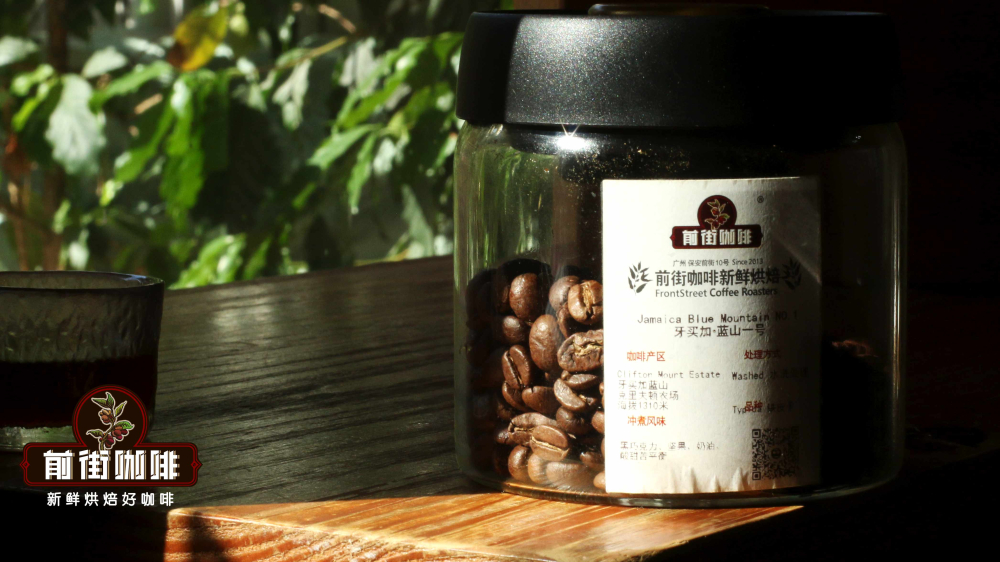
Those pursuing the ultimate richness may consider Jamaica Blue Mountain No. 1. Although it uses a relatively restrained roast, thanks to the unique microclimate of its origin, this bean when extracted at 88-90°C water temperature shows a complex flavor of hazelnut chocolate and almond. As the temperature drops, creamy texture and caramel finish gradually emerge, and the sweet aftertaste can last more than 30 seconds with distinct layers. (This corresponds to the position of original image 6)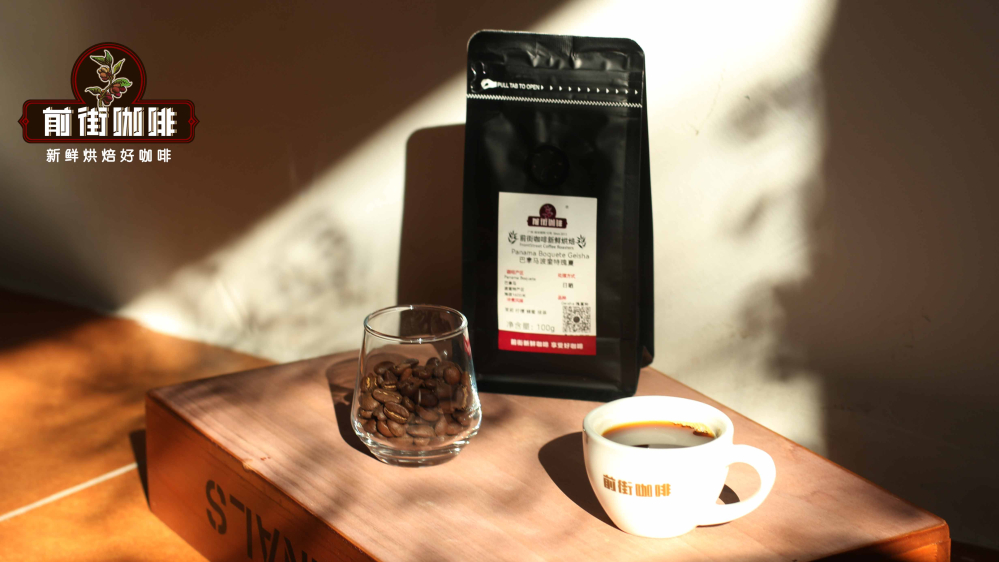
Summary of purchasing points: avoid simply pursuing light-roast fruit acidity and enduring a sharp astringency; dark-roasted beans in the late second crack (about 15 minutes of roasting time) can better transform acidity into sweetness. For actual brewing, it is recommended to use 92-96°C water with a medium-fine grind, and adjust the coffee-to-water ratio (1:15 to 1:16) to control concentration, which better highlights the sweet aftertaste.