Alisun Taiwan Coffee Beans: Yellow Honey Process and Pour-Over Flavor Guide
Introduction: Taiwan's Alisun, with its high elevation and unique microclimate, produces specialty coffee beans with richly layered flavors. This article will guide you through the advantages of Alisun's coffee-growing environment, the characteristics of its representative variety Typica, and an in-depth analysis of how the yellow honey process shapes flavor—a complete flavor map from dry aroma to cupping experience, helping you master the key points of pour-over extraction for these medium- to high-elevation hard beans.
As a famous mountain range stretching across central Taiwan, Alisun is known not only for its sea of clouds and sunrise, but also as an important specialty coffee region due to its latitude similar to Jamaica Blue Mountain (around 23°N) and growing elevation of about 1,200 meters. Here, mist lingers year-round, day-night temperature differences are significant, and volcanic soil provides mineral nourishment—ideal conditions for coffee tree growth. The slow ripening process brought by high elevation gives the beans higher density and more thorough accumulation of flavor compounds.
Similar to tea cultivation, Alisun's coffee farms are mostly distributed on gentle slopes between 900 and 1,800 meters, with core production areas generally having a cultivation history of over 7 years. Local smallholders commonly use organic enzyme fertilizers, improving soil structure through microbial decomposition—avoiding chemical residues that affect flavor while maintaining ecological balance over the long term. Notably, the 1,000–1,300-meter zone, with suitable temperatures and strong sunlight penetration, has produced coffee beans that have performed outstandingly in Taiwan specialty coffee competitions for several consecutive years.
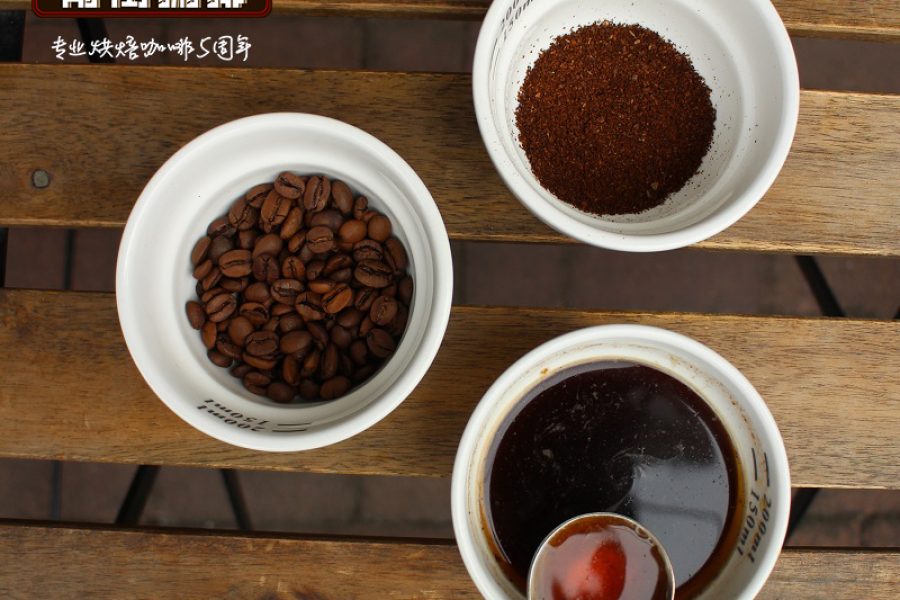
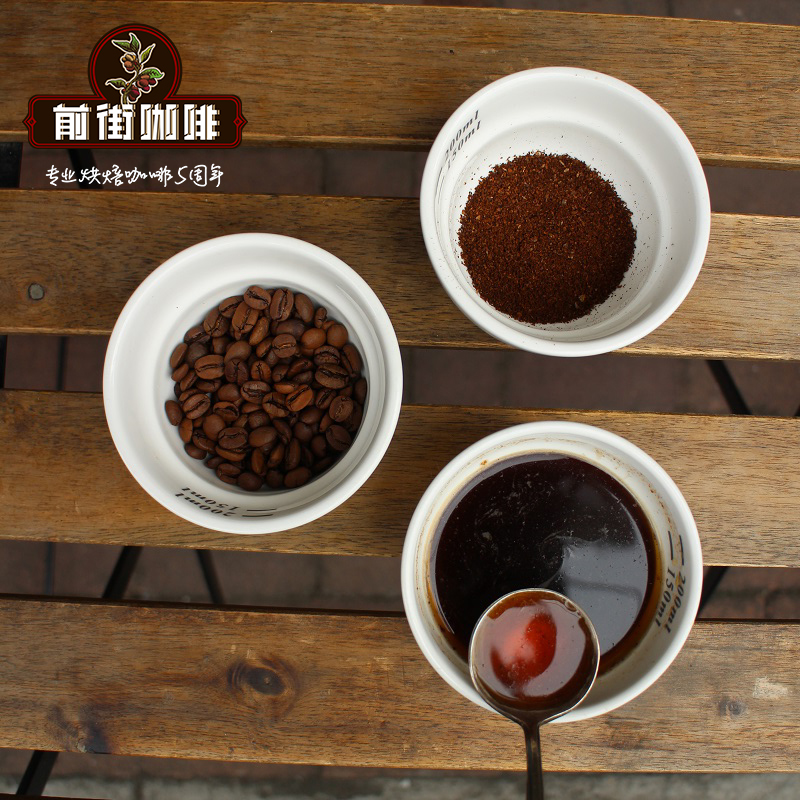
Taking a typical batch of Alisun yellow honey process (grown at about 1,200 meters, variety Typica, graded as high-mountain extra-hard bean) as an example, its flavor characteristics can be perceived in three stages: the dry aroma stage shows pronounced caramel sweetness and mixed floral notes, accompanied by the lively acidity of blackberry and the fresh scent of lime-like citrus, with a faint oily fruitiness in the background; the wet aroma (after grinding) turns to a softer creamy texture, layered with the sweetness of strawberry jam and the richness of ripe fruit; when sipping, a honey-like smooth mouthfeel dominates, with stone fruit flavors (such as apricot and plum) interwoven with vanilla and dark chocolate in the finish, the overall expression balanced and clearly layered.
The key to the yellow honey process lies in precisely controlling the amount of mucilage retained—typically about 30%–50% of the sticky mucilage layer is kept for sun drying (gentler than the over-80% retention of full honey process). In this process, coffee cherries with mucilage are spread evenly on raised drying beds and turned 3–4 times daily to ensure even heating, while humidity changes are closely monitored (ideal drying conditions are an average daily temperature of 20–25°C and humidity below 60%), with the whole cycle taking about 12–18 days. This semi-fermented processing method retains some of the sweetness and complexity brought by fruit fermentation while avoiding the winey, fermented off-flavors that excessive fermentation can produce.
For pour-over enthusiasts, Alisun yellow honey extra-hard beans are best brewed with a medium-fine grind (about 75%–80% passing a Chinese standard No. 20 sieve) and water at 92–94°C. A staged pouring method can be used: first pour a small amount of hot water (about twice the dose weight) for a 30-second bloom to awaken the aroma; then slowly pour in a spiral pattern up to the total water amount (a recommended coffee-to-water ratio of 1:15–1:16), with total extraction time controlled between 2 minutes 10 seconds and 2 minutes 30 seconds. Take care to avoid too forceful a stream, which can over-extract fines and turn the originally elegant fruit acidity sharp.
Beans from this region should be stored away from light and moisture; it is recommended to seal them in foil bags with one-way degassing valves and keep them in a cool place (ideal temperature 10–20°C). If the bag cannot be finished within a short period (1–2 weeks) after opening, portion the beans into sealed jars and refrigerate (allowing them to return to room temperature before grinding). Notably, extra-hard beans usually need a resting period of 7–10 days—during this time carbon dioxide is gradually released, flavor closure decreases, and the complete sweetness and layers can be better perceived when drinking.
From an industry perspective, Alisun coffee's success depends not only on natural conditions but also on the collaborative model of smallholder groups. Growers in the region often jointly establish cooperatives, sharing roasting equipment and quality control standards, and ensuring market competitiveness through a unified grading system (for example, grading by defect ratio and hardness indicators). This model both reduces the risks for individual farmers and drives the overall quality improvement of Taiwan's specialty coffee.


