A Beginner's Guide to Pour-Over Coffee Beans: Affordable, High-Value Flavor Picks and Brewing Tips

Introduction: Choosing pour-over coffee beans for home use requires considering both personal taste preferences and the terroir characteristics of different producing regions. This article moves from Africa and the Americas to Asia, introducing the representative flavor characteristics of six classic coffee-producing regions, covering styles from bright fruit acidity and nutty chocolate to rich herbal notes. It also recommends balanced, high-value quality beans suited to beginners' brewing needs, along with practical flavor descriptions and brewing references.
Coffee beans are the key to determining the final flavor of a cup of coffee. Especially for beginners new to pour-over coffee, choosing a bean with a distinct yet approachable flavor not only improves the drinking experience but also helps develop sensitivity to coffee flavors. Everything from growing altitude and processing method to roast level affects the final aroma and mouthfeel. So which coffee beans are better suited to everyday home brewing? Starting with the world's major coffee-producing regions, we recommend several distinctive, affordably priced everyday beans for beginners.

Let's start with Africa. Ethiopia is a "coffee holy land" in the minds of many coffee lovers, especially famous for the Yirgacheffe region. Altitudes here are generally 1,800–2,200 meters, and the large temperature difference between day and night gives the coffee cherries a longer growing cycle and a rich accumulation of flavor compounds. The region produces many washed beans with bright acidity and high cleanliness, featuring distinct citrus and lemon notes alongside delicate floral aromas and a tea-like quality. Beginners can look for fresh acidity on entry and a green-tea-like sweetness in the finish; these suit drinkers who prefer a light mouthfeel.

Turning to South America, Colombia is known for its consistent coffee quality. Many local coffee farms shade their trees with banana plants or tall trees, slowing growth and encouraging a fuller accumulation of flavor compounds. Washed Colombian beans often show a harmonious blend of dark chocolate, nuts and caramel, accompanied by soft fruit acidity. Beans of this type are usually mild and layered, suitable for those just getting into pour-over; washed lots from renowned specialty regions such as Huila are especially worth trying.

Brazil, the world's largest coffee producer, is welcomed by the market for its stable, neutral flavors. Most beans from here are plump, with flavors leaning toward nuts, chocolate and a slight caramel note, low acidity and moderate body, earning it the reputation as the representative of "neutral coffee." When brewing at home, beginners might choose medium-roasted Brazilian beans; these show roasted peanut aroma and gentle cocoa flavors, are easy to control during extraction, pair well with different brewing devices, and can even be used in espresso blends.

Also from the Americas, Costa Rica's Tarrazú region enjoys a good reputation in specialty coffee circles thanks to its excellent growing environment and strict cultivation standards. Coffee estates here are mostly distributed across the Central Valley, using no pesticides or chemical fertilizers throughout, ensuring purity of flavor. Local beans are traditionally washed and often carry notes of sweet orange, nuts, berries and citrus fruits, with balanced sweetness and acidity and high cleanliness. For those who enjoy a hint of sweetness and fruity aroma, it's a good choice.

Moving to Asia, Yunnan, China has gradually become an important specialty coffee region in recent years. Despite complex climate conditions, a long rainy season and large temperature swings, local producers generally use washed processing to ensure flavor stability. Carefully selected medium-light roast lots often display a complex aroma of nuts, brown sugar and chocolate, with a mild, balanced mouthfeel, suited to drinkers who prefer low acidity and a full body. For beginners just beginning to explore Asian bean flavors, Yunnan beans are both approachable and distinctive.

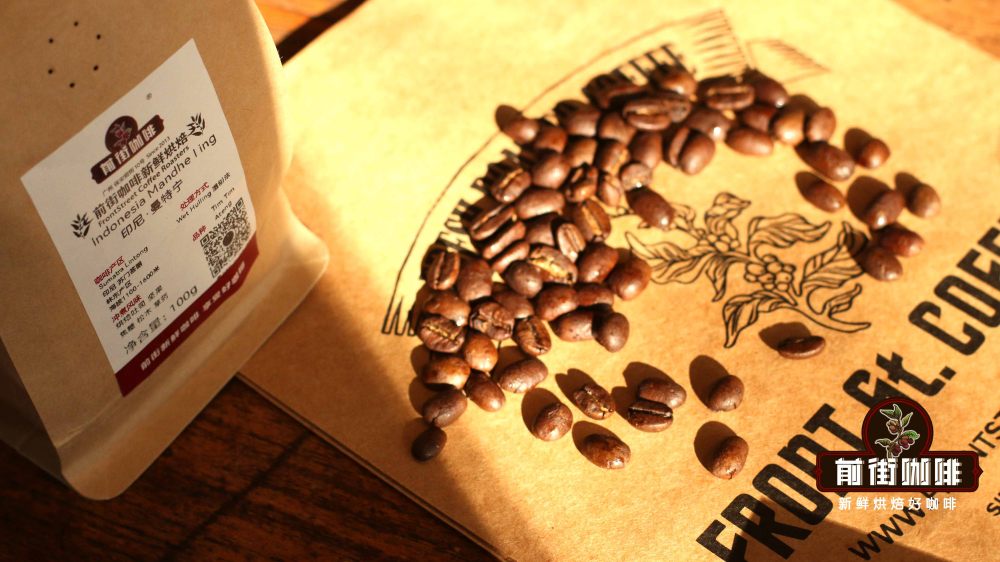
Finally, we must mention Indonesia's Mandheling coffee. The region's hot, humid climate gave rise to the traditional wet-hulling process, which completes hulling and drying in a short time and gives the beans their distinctive, intense style. Mandheling's flavor is dominated by herbal, spice and woody notes, with low acidity but a full, rich body and an earthy, woody weight on entry. Though distinctive, anyone who enjoys a deep, intense mouthfeel will discover its irreplaceable charm; it is especially suited to winter or to pairing with desserts.