Kenya AB Washed Beans: Chocolate Flavor and the Kii Factory Process
Introduction: A deep dive into the Kii washing station of Kenya's Rungeto farmers' cooperative, revealing the full specialty coffee production process in a highland growing area at 1,600–1,800 meters. From the selection of ripe cherries to raised-bed drying technology, we explain how the SL28/SL34 varieties create the signature layers of dark chocolate and red-wine acidity. Professional pour-over recommendations and a flavor-wheel comparison guide are included at the end.
Founded in 1997, the Rungeto Farmers' Cooperative Society traces its origins to the reorganization of the Ngiriama cooperative. Today the cooperative brings together about 850 coffee farmers who grow coffee trees in fertile loam at altitudes of 1,600 to 1,800 meters, a high-altitude environment that gives the coffee fruit ideal conditions for sugar accumulation.
The Kii processing plant sits in a tourist area at the foot of the mountain; since it began operating in 1995 it has become a local landmark. Notably, the factory takes its name from the nearby Kii River—a clear, steady-flowing water source originating from Kenya's snow-capped mountains that provides a key guarantee for the washing stage. The distant snow peaks not only form a magnificent drying backdrop; their microclimate also influences the pace at which the coffee fruit ripens.
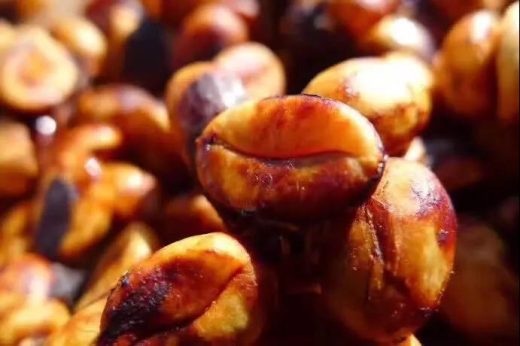
The quality of the plant's AB-grade coffee centers on a strict green-bean selection system. Only fully red, ripe cherries enter the processing line; they are first floated in water to remove underripe fruit, followed by careful hand sorting. The fermentation stage uses a nighttime parchment fermentation process (about 12–16 hours), with precise control of fermentation time to avoid excessive breakdown of the pectin.
Key innovations in the process include: a stepped raised-bed drying system (drying period 8–14 days), tiled washing channels (replacing traditional concrete to reduce the adsorption of impurities), and a river-water recycling system. Together these measures ensure the purity and consistency of the coffee's flavor.
The sustainability projects led by the cooperative chairman have been quite effective: upgraded washing facilities have raised water-use efficiency by 40%, and the special slope design of the grading drying tables (about a 15° tilt) allows condensed water to drain evenly. These detailed improvements directly affect the final cupping performance.
The flavor profile shows distinct Kenyan character: a dark chocolate base paired with raisin sweetness, a mid-palate of fresh fruit acidity like sweet tomato and herbal notes, and a finish with a silky red-wine tannin sensation. The body is medium to full, and the acidity is bright but not sharp.
Growing-area information: the typical microclimate of the Thunguri area, with the classic SL28 and SL34 varieties accounting for over 70%, supplemented by a small amount of the more disease-resistant Hatta variety. The process strictly follows Kenyan traditional washed standards, with green-bean moisture content controlled in the golden range of 11.5±0.3%.
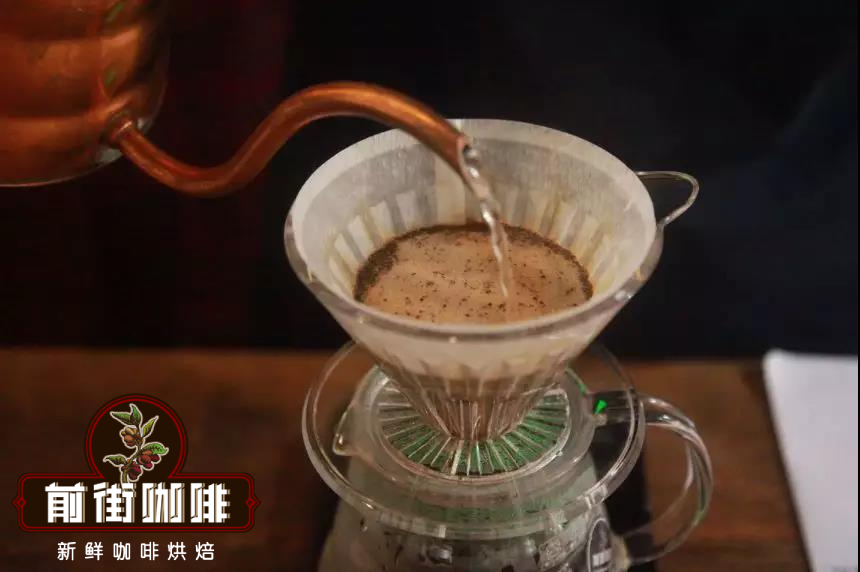
For home brewing: when using a V60 dripper, a coffee-to-water ratio of 1:15–1:16 and a water temperature of 92–94°C with a medium-coarse grind (70% passing a Chinese standard No. 20 sieve), plus staged pouring, will better highlight its layers. For professional roasting, a light to medium roast (Agtron 65–70) is recommended to preserve the floral and fruity character and the bright acidity.