Lorena Estate, El Salvador: Volcanic Bourbon Guide to Growing and Pour-Over Flavor

Introduction: A close look at Finca Lorena at the foot of El Salvador's Santa Ana volcano, and how highland elevations of 1,150–1,250 meters nurture quality Bourbon coffee. From three generations of growing philosophy to the details of sustainable farming, see how this volcanic soil gives the coffee its distinctive sweetness and citrus notes, with professional pour-over parameters and a flavor tasting guide.
Set on the southern slopes of El Salvador's famous Santa Ana volcano, Finca Lorena draws on the distinctive microclimate of the Apaneca-Ilamatepec range at 1,150 to 1,250 meters to produce specialty Arabica coffee with a clear volcanic terroir. The family farm, covering more than 20 hectares, is run by third-generation owner Renato Arturo Romero Silva, whose family has worked the land continuously since the death of his forebears in 1990.
The estate follows a mixed-variety planting strategy: about 3 hectares are devoted to the large-bean Pacamara, while the remaining areas are planted in a considered mix of classic varieties such as Bourbon, Typica and Catimor. Of particular note, the Bourbon trees, which account for a significant share, are not only the main output but also, with their bright acidity and caramel finish, the estate's signature flavor base.
In cultivation and management, Finca Lorena strictly practices eco-friendly farming. Beyond limiting chemical inputs, the agronomists innovatively use compost from coffee-processing by-products to replenish soil nutrients, and preserve native trees through terraced layout to provide natural shade. A supporting rainwater collection system includes several stainless steel tanks and diversion channels, effectively securing irrigation needs in the dry season.
The nursery stage reflects a professional standard: all young plants come from selected mother trees in the nursery, and a program is now under way to replace old Typica vines with Bourbon. This multi-year variety-upgrade project aims to strengthen the plants' resistance to common diseases such as leaf rust while maintaining stable output per hectare.
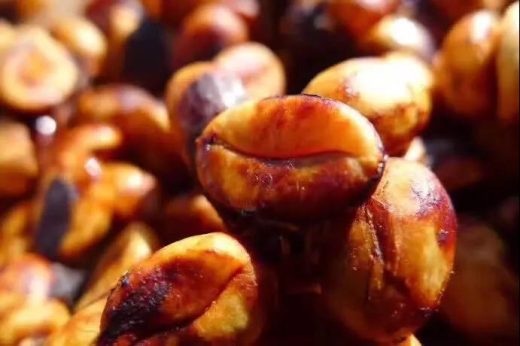
Harvest strictly follows the "all-red cherry picking" principle, with ripe coffee cherries selected by hand one by one for consistent ripeness. The cherries then enter the traditional washed process: after pulping and demucilaging, they ferment for at least 18 hours, then are thoroughly washed in running clean water. Drying takes place on open-air concrete drying beds, with 3–4 turnings a day to ensure even heat exposure, and the final moisture content is precisely controlled at around 11%.
The processed parchment coffee rests for several weeks in a well-ventilated storage room until its flavor compounds are fully developed, after which it enters the export stage. For pour-over enthusiasts, we recommend 90–93°C water with a 1:15 coffee-to-water ratio; using a V60 dripper with a medium-fine grind (75% passing a Chinese standard No. 20 sieve) and a two-pour extraction clearly brings out layers of blackcurrant, caramel bread and a faint smokiness.