Papua New Guinea Baroida Estate Washed Coffee: Pour-Over Guide and Flavor Profile
Introduction: The washed coffee beans from Baroida Estate in the Eastern Highlands of Papua New Guinea, with their consistent processing and unique high-altitude environment, yield a flavor profile that is low in acidity yet bright, with honeyed sweetness and a creamy, full-bodied texture. This article explains the varieties, growing background and brewing recommendations in detail, and helps you experience this coffee's fruit character that is sweet rather than tart, along with its distinctive herbal aroma.
Baroida Estate is located in the Eastern Highlands of Papua New Guinea and was founded by Ben Colbran in the 1960s. He originally purchased the land from a local indigenous man named Taro—this valley is one of the birthplaces of early local farming civilization. In 1965, with the government promoting coffee as a long-term cash crop, Ben was among the first to plant coffee trees here, becoming one of the region's first coffee producers. Today, the estate is managed by the third generation of the Colbran family—Ben's son Nichol and grandson Chris.
The estate's location is distinctive, situated at an elevation of about 1,700 meters where the Lamari River valley meets the Jabarra Mountains. It is surrounded by mountains reaching up to 2,300 meters, with many small independent coffee growers scattered among them. Thanks to the family's strict control over the entire process, Baroida Estate's coffee is picked and processed entirely on its own farm, ensuring consistency and stability of quality.
This coffee uses the classic washed process, with fermentation followed by drying on raised beds. The washed process effectively highlights the coffee's cleanliness and bright acidity base, while raised-bed drying gives it more even dehydration and richer flavor layers.
In terms of varieties, Baroida Estate grows three classic varieties: Arusha, Bourbon and Typica. These varieties grow slowly at high altitude, with high fruit maturity, naturally accumulating more sugars and aromatic compounds, laying the foundation for the final flavor complexity.
In terms of flavor, the most striking feature of this coffee is the soft mouthfeel brought by its low acidity. On the palate, you first notice distinct vanilla and honey sweetness, accompanied by the fresh herbal notes of basil and green tea. The medium roast further reinforces a sandalwood-like woody warmth while retaining the bright fruitiness of citrus fruits (such as kumquat or ripe lemon).
As the temperature drops, the sweetness gradually turns into the mellow texture of palm sugar, date sugar and brown rice syrup, interwoven with a hint of tropical fruit, and the finish carries a subtle earthy fragrance and gentle spice, with excellent overall balance.
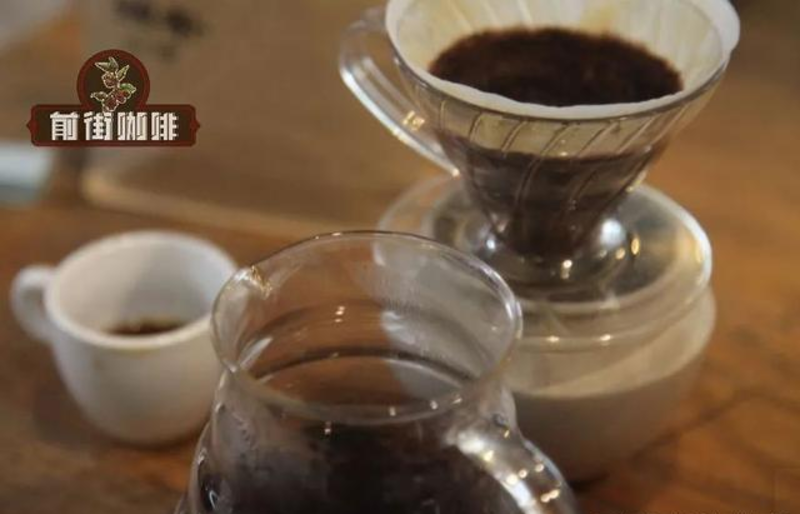
Brewing recommendations: A medium-fine grind (about 70%-75% passing a Chinese standard No. 20 sieve) is suitable, with water temperature controlled at 90-92°C. For pour-over, use staged pouring: in the first stage, pour 30% of the total water for a 30-second bloom, then slowly pour to the target coffee-to-water ratio (recommended 1:15 to 1:16), with total extraction time controlled at 2 minutes 10 seconds to 2 minutes 30 seconds. These parameters effectively highlight its sweetness and citrus notes while avoiding bitterness from over-extraction.
For pour-over enthusiasts who prefer mild acidity and seek a creamy, full-bodied mouthfeel with rich floral and fruity notes, Baroida Estate washed coffee is a choice not to be missed.