Brazil Red Bourbon Coffee: Hand-Brew Parameters and Cerrado Flavor Guide

Introduction: As the world's largest coffee-producing country, Brazil is known for its Red Bourbon variety's unique semi-washed process and stable flavor. From the South Minas region to the high-altitude plots of Cerrado, this article explains the genetic advantages of the Red Bourbon variety, the key technical points of semi-washed processing, and provides a professional hand-brew recipe. Master the extraction secrets of the nutty notes in beans grown at 700-1200 meters and unlock a balanced cup with low acidity and full body.
Brazilian coffee's outstanding quality comes from complete control of the production chain—from selecting disease-resistant Bourbon varieties, to cultivation management adapted to highland climates, to precise harvesting and processing techniques. Among these, Red Bourbon, a classic Arabica variety, accumulates more sugar when its deep red cherries ripen, laying the foundation for the flavors that follow.
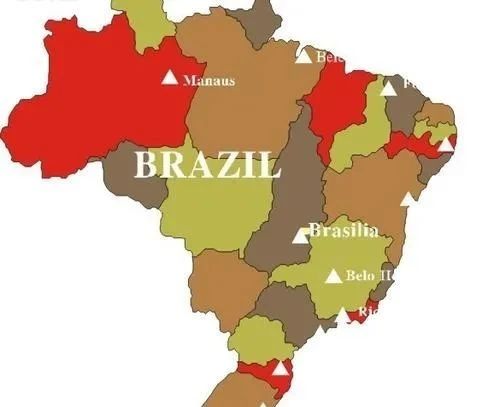
Geographic Features of the Core Producing Regions
The 700-1200-meter hilly terrain of South Minas is Brazil's earliest commercial coffee region, with mechanical harvesting adoption above 60%. Day-night temperature differences here reach 8-10°C, and together with volcanic rock soil, this gives Red Bourbon beans a moderate density (density value 0.70-0.75g/cm³), making them especially suitable for semi-washed processing. Note that although Bahia is also part of Brazil, Robusta accounts for over 80% of the coffee grown on its coastal plains, with markedly different flavor characteristics.
The dual terrain of the Brazilian highlands (500+ meters) and lowland plains (below 200 meters) creates the country's typical coffee style of low acidity (pH 5.8-6.2) and high body (Body value 7-8/10), in which the Red Bourbon variety often shows a caramel finish on top of its nutty notes.
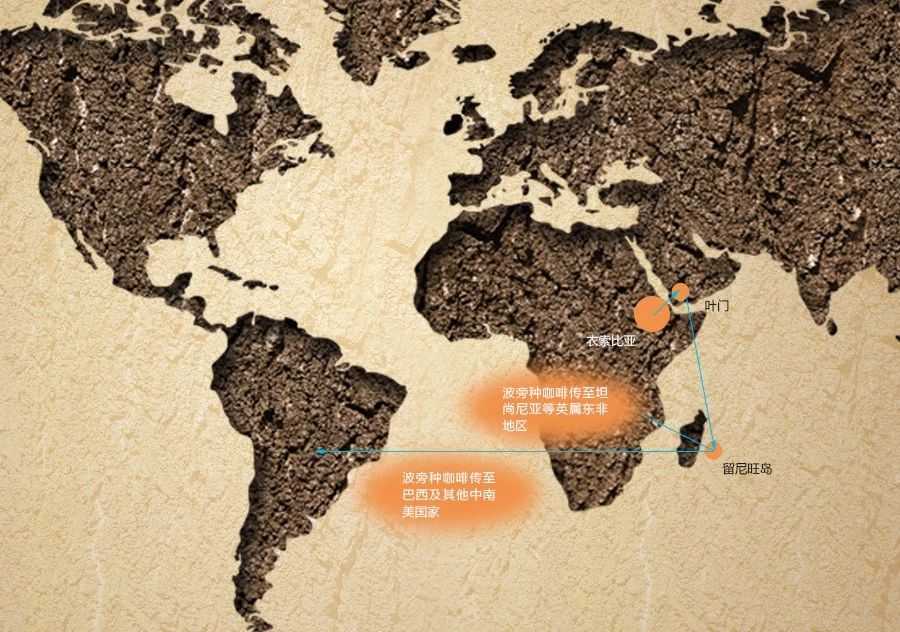
Evolutionary History of the Bourbon Variety
This variety, which originated on Réunion Island (formerly Bourbon Island), underwent local mutation after being introduced to Brazil via Campinas in 1860. Compared with Typica, Red Bourbon has about 15-20% higher yield per plant and stronger resistance to leaf rust. Its cherries show a five-stage color change as they ripen: green → yellow → orange → red → deep red. High-altitude cultivation (above 1100 meters) can make the acidity brighter, with wine-like berry notes becoming more prominent.
Its spread shows that the variety reached Africa through French missionary networks, forming a unique "Missionary Bourbon" branch in Tanzania's Kilimanjaro region that complements the flavors of Kenya's KT variety.
Key Techniques of Semi-Washed Processing
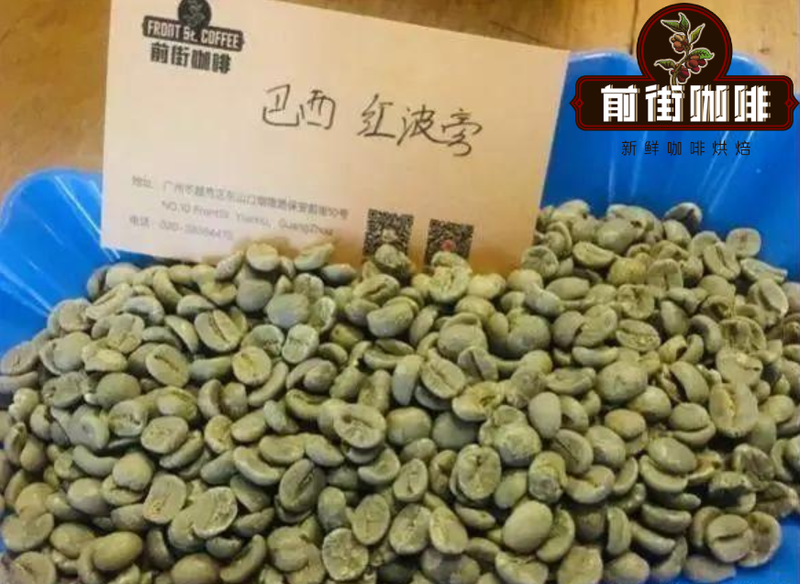
Brazil's main semi-washed method (Pulped Natural) consists of three major steps:
1. Sink screening to remove floating beans (density <1.0; floating rate is a defect indicator)
2. Pulping machine retains 20-30% of the mucilage layer
3. Temperature-controlled drying (38-42°C for the first 48 hours, then lowered to 30-35°C)
Compared with traditional washing, this process reduces water use by 30%, while cutting mold risk by 50% compared with natural processing, making it especially suited to the rainy-season climate of South Minas.
The grading system uses dual standards:
• New York standard (NY2 = defect rate ≤2%)
• Screen size (SC17/18 = screens 17-18 are premium)
• Flavor grade (Strictly Soft = highest grade)
Professional Roasting Plan
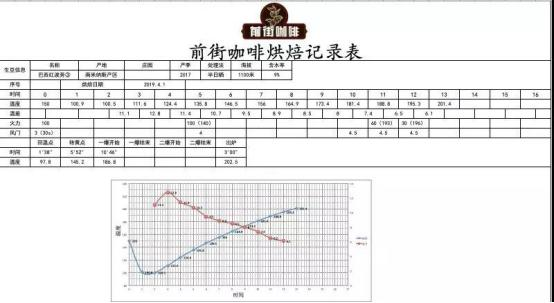
Given the density characteristics of Red Bourbon (green bean density 0.72g/cm³), it is recommended to use a 600g semi-direct-fire roaster with the following curve:
• Charge at 200°C preheat, airflow setting 3
• Yellowing stage at 160°C (about 5 minutes), grassy smell disappears
• Maintain 188-190°C before first crack, development time ≥110 seconds
• End temperature 198-200°C, avoiding woody flavors caused by over-extraction
Pay special attention when dark streaks appear on the bean surface (a sign that dehydration is complete): closely monitor changes in the intensity of the first-crack sound.
Hand-Brew Extraction Parameters
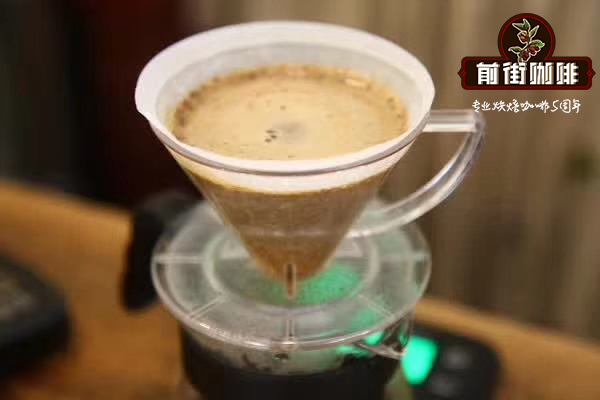
The best tested recipe:
• Grind size: Japanese standard sieve 7.5-8 (equivalent to 75% passing rate on Chinese No. 20 sieve)
• Water temperature: 90-91°C (increase by 1°C for every 100 meters of altitude)
• Coffee-to-water ratio: 1:15 (15g coffee to 225ml total water)
• Staged pouring: 30g bloom (30 seconds) → 120ml pause → 225ml slow pour
• Total time: 2 minutes 05 seconds ±10 seconds
Common mistakes to watch for:
✖ Grinding too fine (easily causes over-extraction after 2:00)
✖ Water temperature above 93°C (causes sharp acidity and astringency)
✖ Pouring all the water at once (causes channeling)
Flavor Wheel Analysis
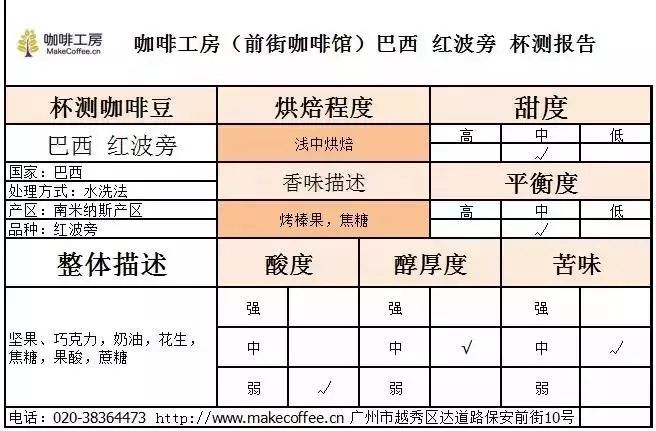
Verified by cupping (SCA standards), this bean typically shows:
• Dry aroma: a mix of roasted almond and caramel
• Wet aroma: wine yeast and honey sweetness
• Mouthfeel: mid-palate black chocolate body, with a tropical fruit finish
• Acidity: mild citrus notes (pH 6.0±0.2)
• Bitterness: balanced resinous bitterness
Suggested pairings:
✔ High-fiber foods such as rye bread
✔ Medium-light roasted cheeses
✘ Avoid drinking with heavy cream desserts