Mandheling Coffee Explained: Origins, Flavor, and Golden Mandheling
Introduction: Mandheling is not a coffee variety or a place name but rather a name that originated from a misunderstanding during World War II. This article takes a deep dive into the true identity of Mandheling coffee, introduces its unique Sumatran flavor characteristics, compares the differences between regular Mandheling and Golden Mandheling, and provides flavor descriptions and brewing suggestions to help coffee enthusiasts better understand this classic Southeast Asian coffee.
Many people, when first encountering Mandheling coffee, wonder: is this a coffee variety or beans from a specific origin? In fact, Mandheling is neither a variety name nor a place or port name, but a unique name born from a historical misunderstanding.
In 1942, during World War II, after the Japanese army occupied Sumatra, a Japanese soldier tasted a richly flavored coffee in a local café. When he asked the owner for the name of the coffee, the owner mistakenly thought he was asking where the owner was from and replied, "Mandailing." This beautiful misunderstanding made "Mandheling" synonymous with this Sumatran coffee, and it became widely popular after the war when Japanese soldiers brought 15 tons of coffee beans back to Japan.

Mandheling coffee is mainly produced on the island of Sumatra in Indonesia and belongs to the Arabica species (with a small amount of Robusta mixed in). The unique climate and volcanic soil here give the coffee distinctive flavor characteristics. Typical Mandheling coffee has low acidity, a full body, intense roasted aroma, and chocolate notes, in stark contrast to the bright acidity common in African coffees. Its mouthfeel is often described as steady and deep, with woody and earthy notes, suitable for coffee lovers who prefer intense flavors.
 The wet-hulling process unique to Sumatra is also a key factor in shaping Mandheling's distinctive flavor. This processing method accelerates the drying process of the coffee beans; although it increases the risk of defects, it creates Mandheling's signature herbal, earthy, and woody aromas, as well as its full-bodied mouthfeel.
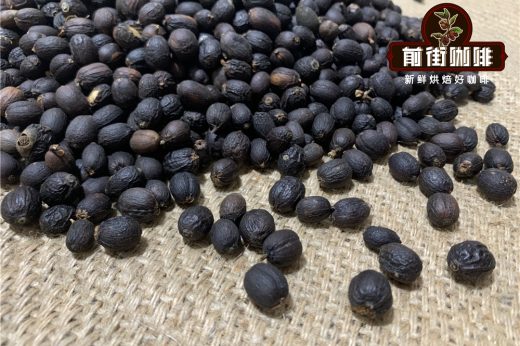
Regarding "Golden Mandheling," often heard in the market, it does not refer to the color of the coffee beans but to high-quality Mandheling beans strictly hand-sorted by a specific processing plant. It was first launched by the well-known Indonesian coffee purchasing company PWN (Pwani Coffee Company), involving four rounds of hand sorting to remove defective beans and retain only high-quality beans that are plump and uniform in color.

It is worth noting that PWN later registered "Golden Mandheling" as a brand trademark, meaning it now represents both a high-quality sorting standard and a commercial brand. This type of selected Mandheling typically has brighter sweetness, cleaner mouthfeel and layers, and prominent spice notes, and can maintain good flavor balance even at dark roast levels.
In terms of flavor, there are clear differences between regular Mandheling and Golden Mandheling. Regular Mandheling is primarily low in acidity, heavy in body, and rich in caramel/chocolate notes; at medium-dark roasts, it often carries woody and earthy notes, with an overall rustic and deep style. Golden Mandheling, thanks to selected raw materials and stricter quality control, while maintaining Mandheling's classic traits, exhibits higher sweetness, a purer mouthfeel, and more complex flavor layers.

Many coffee novices often have a misunderstanding: they believe that Mandheling, being a dark-roasted coffee, must be only bitter and heavy, with no acidity at all. In fact, high-altitude Mandheling can also exhibit bright citrus or berry acidity at medium-light roasts, though such processing is relatively rare. Mainstream Mandheling is usually medium-dark roasted to highlight its full-bodied character and rich chocolate and spice flavors.
When tasting Mandheling, you can note several key flavor characteristics: the first impression is a full body and low acidity, followed by the sweet aroma of chocolate and caramel, accompanied by faint herbal or earthy notes. High-quality Mandheling can also show lingering spice flavors and a mild citrus note in the aftertaste, with an overall round and layered mouthfeel.

For coffee enthusiasts who want to try Mandheling, it is recommended to start with a medium-dark roasted regular Mandheling to experience its classic full-bodied style. If you prefer a cleaner and brighter mouthfeel, you can try Golden Mandheling or light-medium roasted Mandheling beans. For brewing parameters, Mandheling is suitable for water temperatures of 90-93°C, a medium-fine grind (similar to fine sugar), and immersion brewing methods are recommended to fully express its full-bodied character.
In summary, Mandheling coffee, with its unique Sumatran flavor and deep historical background, has become a classic category that coffee lovers worldwide should not miss. Whether you seek the full-bodied mouthfeel of regular Mandheling or prefer the higher quality performance of Golden Mandheling, both can bring a different dimension to your coffee experience. With this basic knowledge, the next time you taste Mandheling, you will be able to appreciate more deeply the unique charm of this classic Southeast Asian coffee.