Brewing Guide for Yunnan Small-Bean Coffee and Main Arabica Varieties
Introduction: As an important coffee-producing region in China, Yunnan's coffee bean flavor characteristics and cultivated varieties have attracted much attention in recent years. This article takes an in-depth look at the mainstream Arabica coffee varieties grown in Yunnan, such as the differences between Catimor and Typica, and provides professional pour-over parameter recommendations to help you fully bring out the unique flavors of Yunnan coffee. Whether you are a beginner or a coffee enthusiast, you can easily master it.
When it comes to Yunnan coffee, many people's first impression may be of the raw material stage for instant coffee. However, in recent years, with the rise of the specialty coffee wave, Yunnan coffee has gradually gained attention for its distinctive flavors and diverse processing methods. From high-quality beans with fresh flavors such as winey notes and peach to innovative practices that enhance flavor through special processing methods, the coffee produced in this land is constantly refreshing people's understanding.
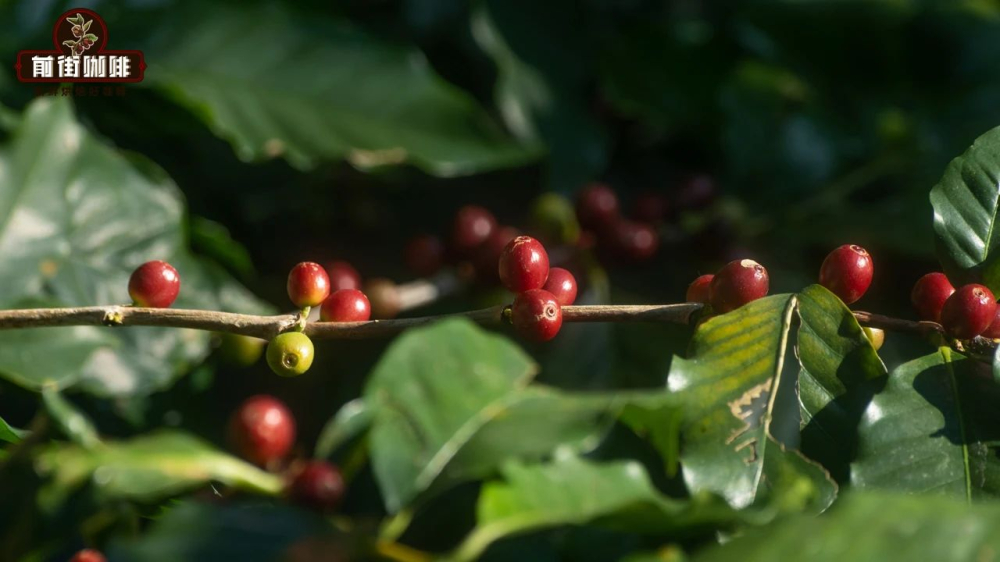
The history of coffee cultivation in Yunnan can be traced back to 1904, when a French missionary planted the first coffee tree in the Dali region, opening the precedent for coffee cultivation in mainland China. The first introduced variety was the classic Arabica variety, Typica, an ancient variety with elegant flavor but relatively difficult cultivation. However, because Typica has strict requirements for the growing environment and low yields, its economic benefits were not prominent in the past. Therefore, by the 1980s, Yunnan gradually replaced Typica with Catimor, which became the main local cultivated variety.
Catimor is not a pure Arabica variety but a hybrid of Arabica and Robusta, inheriting about 25% Robusta genes. This genetic makeup gives it stronger disease resistance, higher oil content, and greater yield advantages, making it very suitable for local growing conditions in Yunnan. Catimor often has flavor notes of nuts, brown sugar, and plum, though its overall cleanliness is usually not as good as Typica. In an era when processing techniques were not yet developed, this type of coffee was mostly used to make instant products.
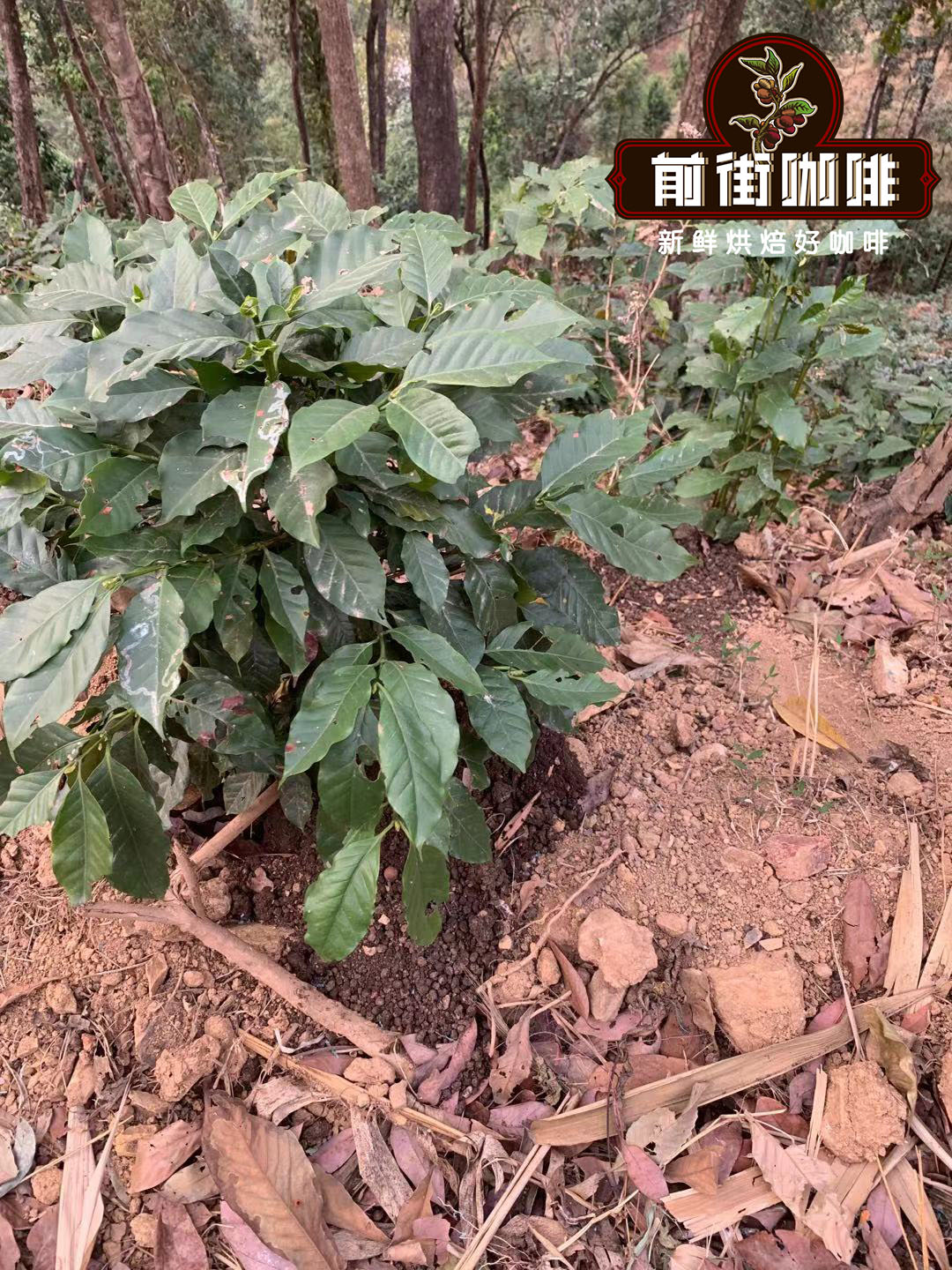
With the promotion of the specialty coffee concept, the Yunnan producing region began exploring various innovative processing methods, such as anaerobic fermentation and honey processing, to discover and enhance the potential of Catimor itself. These techniques can compensate to some extent for its flavor shortcomings, allowing Yunnan coffee to gradually join the ranks of specialty coffee and win the favor of more and more coffee enthusiasts.
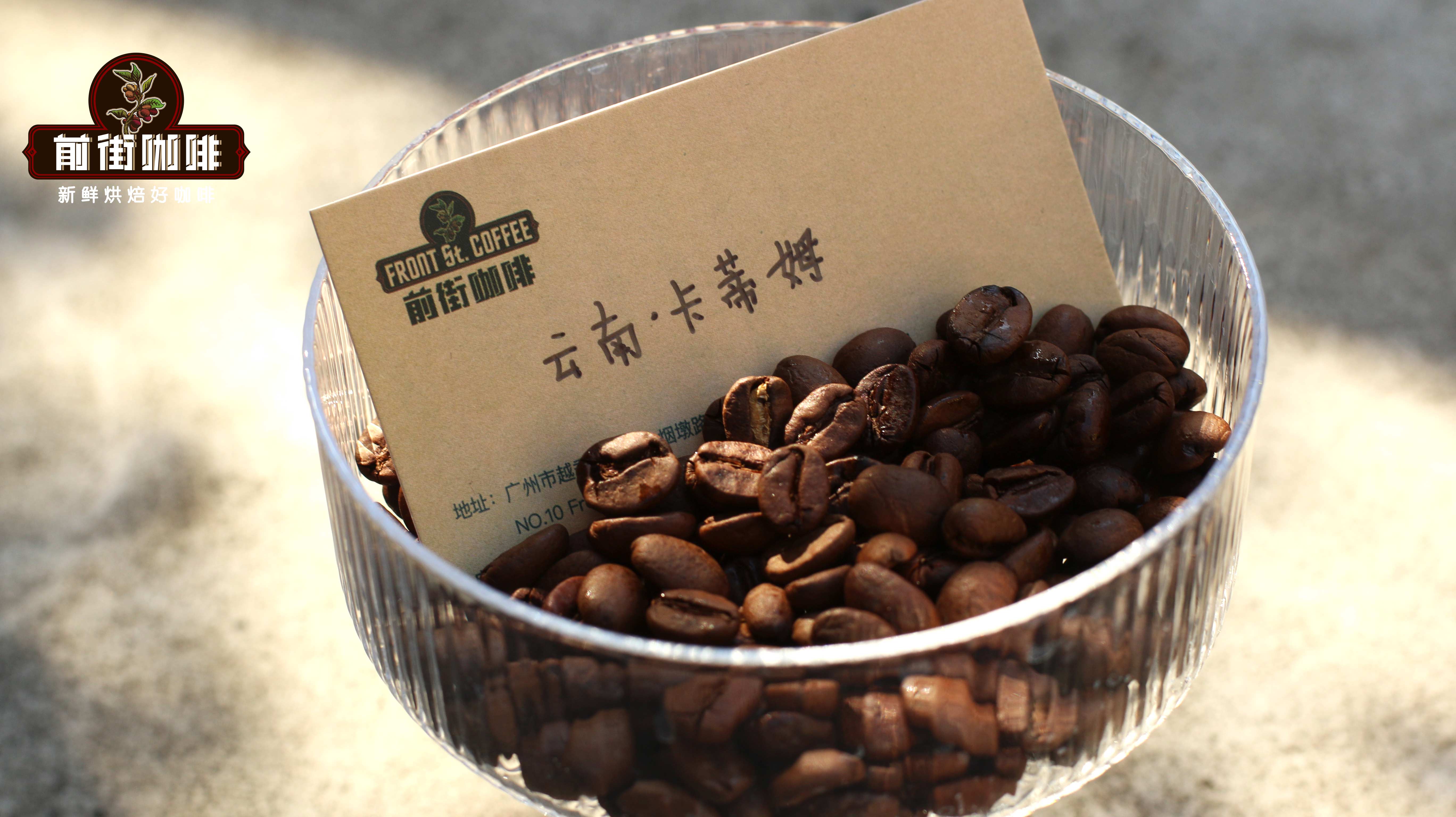
Although Catimor is currently the main cultivated variety in Yunnan, from the perspective of flavor complexity and varietal purity, Typica still holds an irreplaceable position. Typica originated in Ethiopia and southern Sudan and is one of the oldest extant Arabica varieties. It has the iconic red-topped leaves and is also known as "red-top coffee" or "old-variety small-bean coffee." This variety has a delicate flavor, with soft acidity, licorice-like sweetness, and relatively low body, making it balanced and elegant overall. However, because it has high requirements for the growing environment and management, its cultivation cost is relatively higher and its yield is lower.
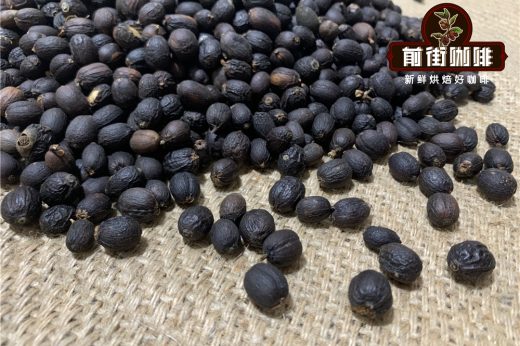
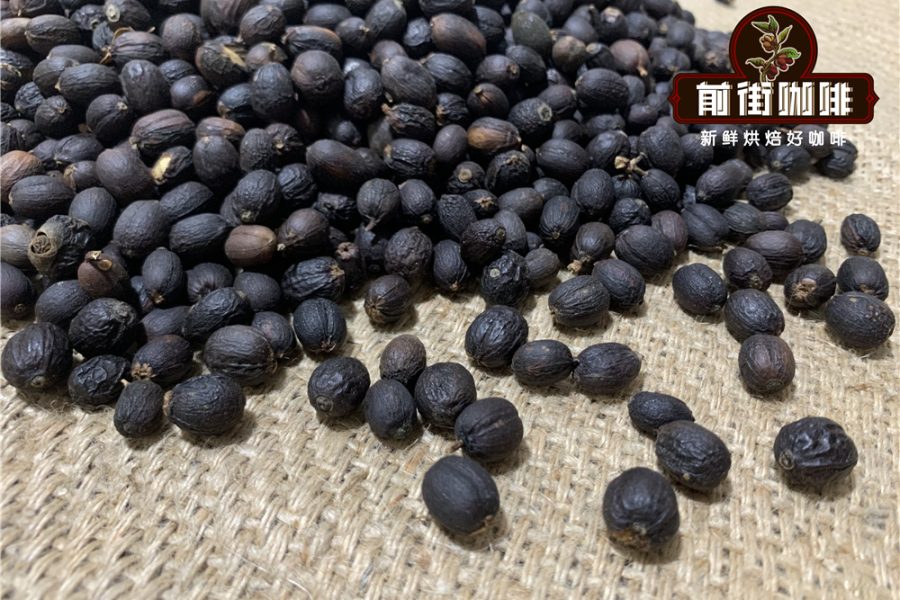
In some producing areas of Yunnan, farmers still insist on growing Typica, especially using the traditional natural processing method to preserve its original flavor characteristics. This processing method slowly dries the coffee fruit in the sun, allowing the sugars in the pulp to fully permeate the beans, bringing richer sweetness and complexity.
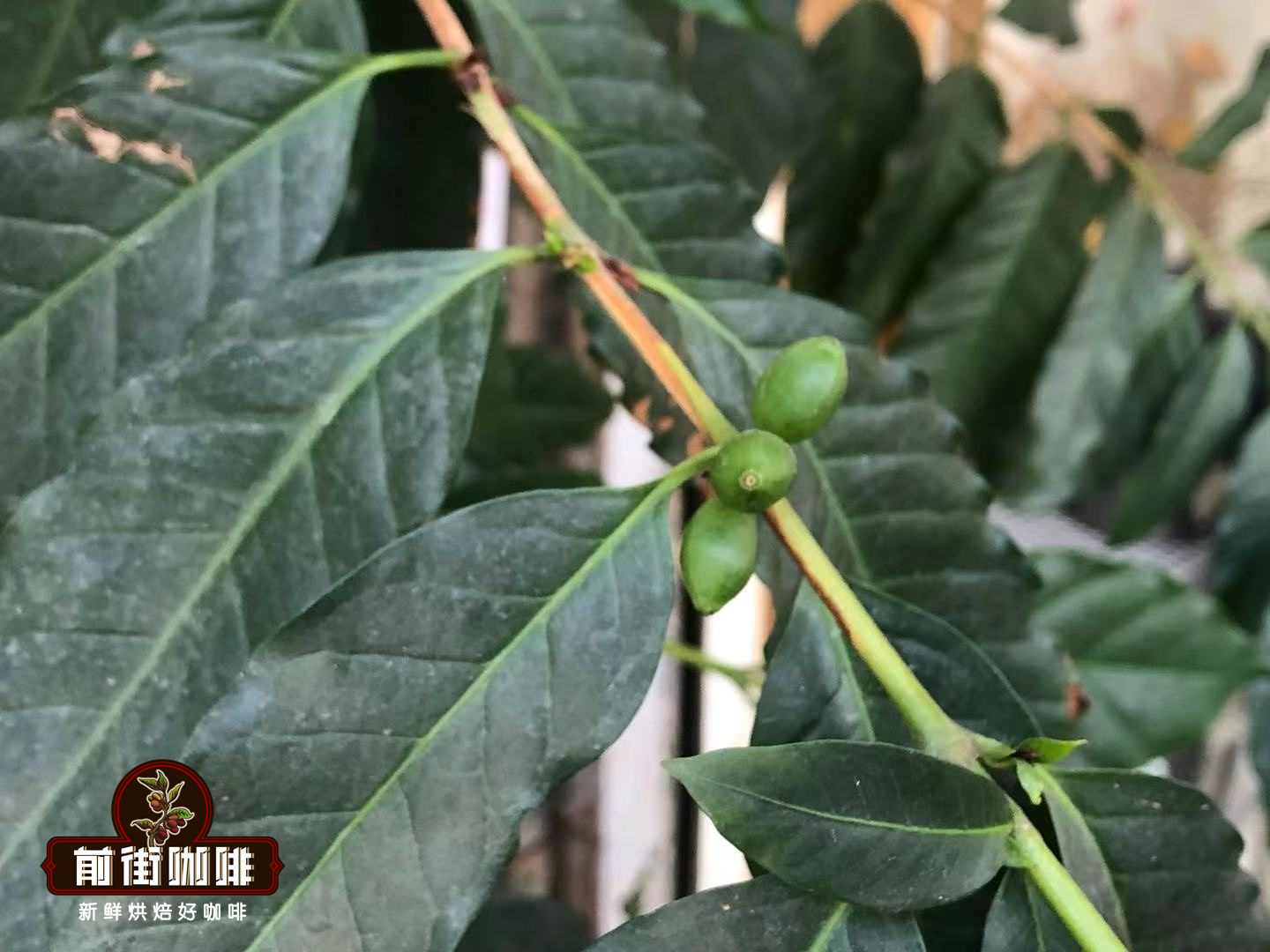
Taking naturally processed Typica as an example, after careful sorting and sun exposure, the coffee beans often present bright plum-like acidity, black tea-like tea notes, and a lingering brown sugar sweetness. These flavors can be presented more clearly when brewing parameters are carefully controlled.
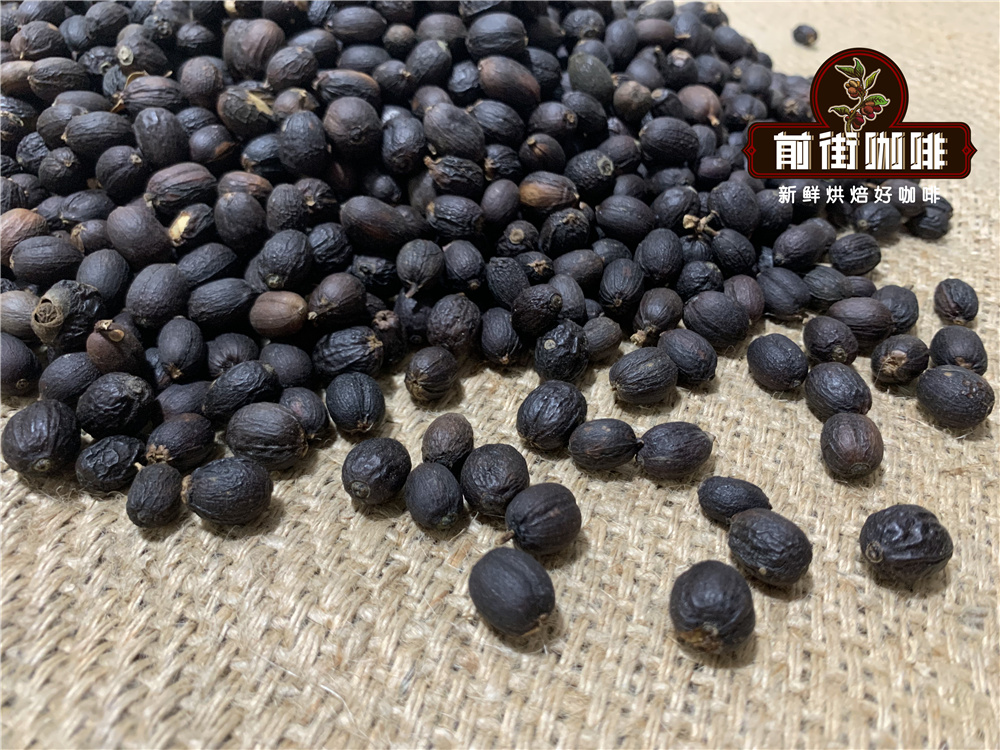
If you happen to have Yunnan Typica coffee beans on hand, you may want to refer to the following professional brewing plan to fully release their flavor potential: it is recommended to use 15 grams of coffee grounds with a 1:15 coffee-to-water ratio (if you prefer a lighter taste, you can choose 1:16). Use a V60 dripper and control the water temperature at 88°C, which helps soften the acidity and enhance sweetness. The recommended grind size is a Chinese standard No. 20 sieve with a passing rate of about 78%, that is, medium grind.
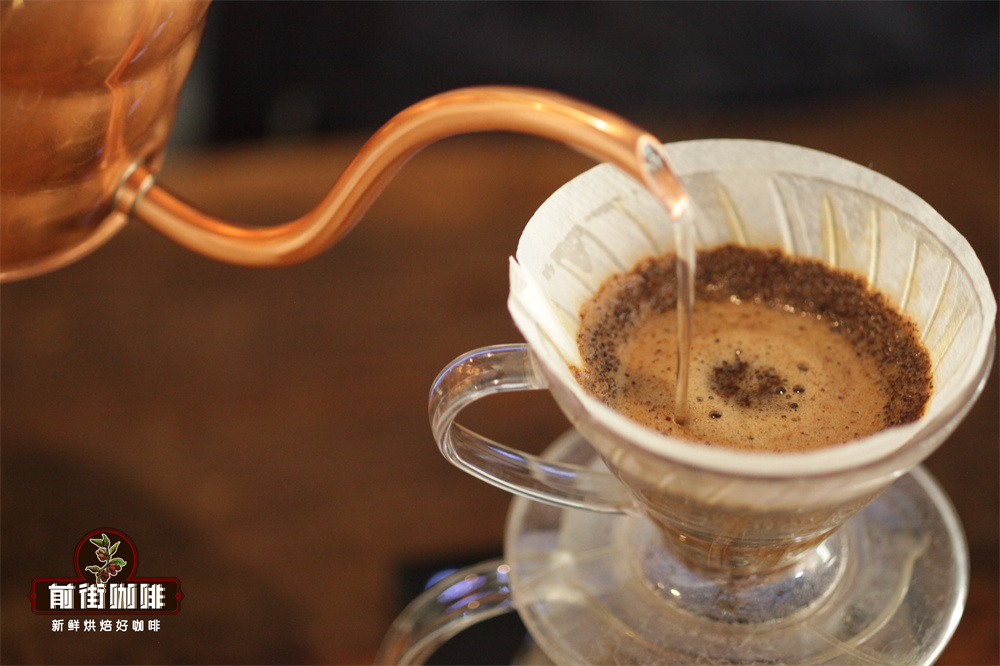
The specific brewing steps use the classic three-stage pouring method: first pour 30 grams of water for a 30-second bloom to awaken the coffee grounds; then pour in a small stream in a circular motion until 125 grams for the first stage; when the water level drops slightly and is about to expose the coffee bed, pour again until a total water amount of 225 grams and then stop; then wait for the water level to drop and remove the dripper. The entire extraction process should be controlled at around 2 minutes and 10 seconds, which helps balance flavor and cleanliness.
In summary, understanding the varietal background and processing methods of Yunnan coffee helps us better appreciate and brew them. From the widely planted Catimor to the more delicate Typica, each coffee bean has its own unique character. Mastering appropriate brewing parameters not only improves the drinking experience but also allows you to more deeply feel the diverse charm of coffee from this land of Yunnan.