Brazil Yellow Bourbon Coffee: Pour-Over Caramel Pineapple Flavor
Introduction: Have you heard that Brazil can also produce coffee with distinctive flavors? The yellow Catucaí introduced today comes from the Serra do Cabral plateau and uses a natural processing method to bring out alluring layers of caramel, pineapple and nuts, making it well suited to pour-over exploration. This article explains the growing region's background, processing details and flavor characteristics, and introduces the unique appeal of this little-known specialty bean.
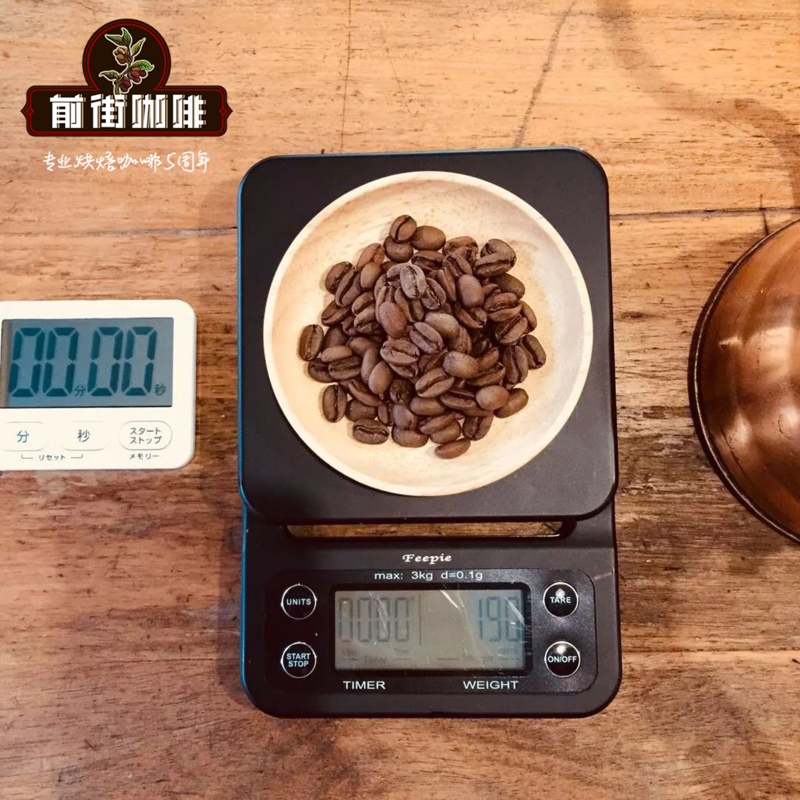
This is a specialty coffee bean certified by the Rainforest Alliance, grown on the Serra do Cabral plateau in Minas Gerais, Brazil. The growers are the Flanzer family, who cultivate the layered yellow Catucaí variety with a natural processing method on a plateau farm at about 1,200 meters above sea level. The bean's flavor profile includes bright caramel sweetness, fresh pineapple fruitiness and a delicate nutty finish, making it a great choice for pour-over exploration.
The Flanzer farm is one of the few coffee-growing sites on the Serra do Cabral plateau and even the only family farm in the area devoted to coffee production. Since the 1970s, the Flanzer family had been engaged in forestry work here, until brothers Marcelo and Roberto took over from their father in 2000 and decided to try diversifying the crops on this land. Although the area had no previous history of coffee cultivation, they judged that the superior altitude, climate and soil and water conditions made it very suitable for growing high-quality coffee.
In 2006, the Flanzer brothers officially began their coffee-growing journey, becoming coffee pioneers in the region. They named the farm Ecoagrícola to highlight their commitment to ecological sustainability. Most of the farm's land is set aside as an ecological reserve, which not only shelters local wildlife but also serves as an important stopover habitat for migratory birds traveling from North to South America. Even wild pumas appear here, showing how complete the local food chain is and how rich the ecosystem is. In addition, the farm runs its own seedling nursery, supplying tree species to surrounding communities, schools and natural restoration projects, actively promoting regional ecological development.
After their first coffee harvest in 2009, the Flanzer farm's coffee quickly stood out in international competitions, accumulating three Cup of Excellence awards. These honors not only prove their pursuit of coffee quality but also demonstrate their ability to produce world-class specialty coffee while protecting the natural environment.
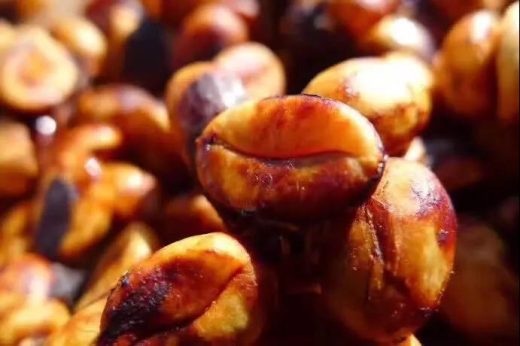
This particular yellow Catucaí variety is naturally processed: after harvest, the coffee cherries are dried in the sun for a long time so that the sugars in the pulp fully permeate the seeds, resulting in intense sweetness and complex fruit flavors. When brewed, you first notice clear caramel sweetness, accompanied by tropical fruit notes reminiscent of fresh pineapple, with a gentle and memorable nutty finish. This flavor combination is relatively rare in Brazilian coffee, which makes it an unmissable choice for pour-over enthusiasts and specialty coffee collectors.
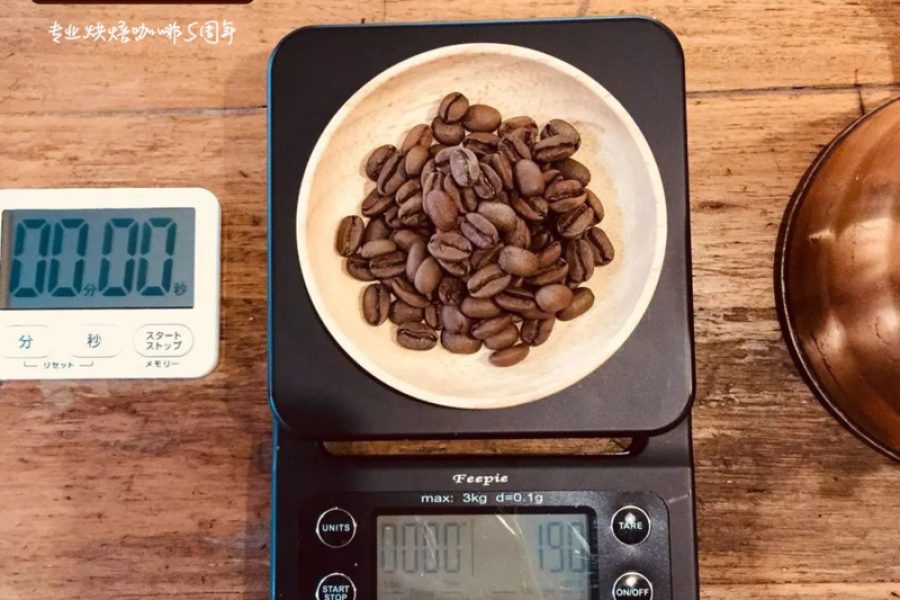
If you want to brew this coffee at home, a medium-fine grind (close to fine granulated sugar) is recommended, along with a pour-over kettle, a water temperature of 90–93°C and a coffee-to-water ratio of 1:15–1:16. You can use a staged extraction method, for example blooming with a small amount of hot water for 30 seconds first, then slowly pouring to the target water amount; this helps fully release the fruitiness and sweetness. Avoid water that is too hot or excessively long extraction times, otherwise the caramel notes can turn burnt and bitter, affecting the overall flavor.
Overall, this yellow Catucaí coffee from the Flanzer farm on Brazil's Serra do Cabral plateau not only shows the potential of Brazilian coffee for flavor diversity but also embodies a perfect combination of ecological farming and the pursuit of quality. Whether you are trying Brazilian specialty coffee for the first time or looking for an everyday coffee with distinctive fruit notes, it is worth savoring with care.