Ethiopian Bale Mountain Natural Coffee: How Passion Fruit Flavor Travels from Farm to Cup

Introduction: The natural coffee produced by Ethiopia's Bale Mountain estate is known for its vibrant passion fruit and guava flavors and is a favorite among many coffee lovers and pour-over enthusiasts. This article takes an in-depth look at this specialty coffee's full journey—from the growing environment and variety characteristics to its unique natural processing method—so you can understand how a cup of exceptionally flavorful coffee is born, along with practical flavor-tasting references and buying advice.
The Bale Mountain estate, located in Ethiopia's Arsi region, has drawn attention in the global specialty coffee market in recent years for its high-quality natural coffee. This coffee-growing area, situated at an altitude of 1,900 to 2,000 meters, is a "new frontier" for coffee cultivation, yet thanks to favorable natural conditions and meticulous agronomic management, it produces coffee beans with a unique and layered flavor profile.
The estate belongs to the Israeli company Degfa. Although it was established relatively recently, its growing philosophy focuses on producing specialty-grade coffee. The current planted area is about 100 hectares, all laid out around a high-altitude, high-quality microclimate, with a commitment to balancing flavor distinctiveness and sustainable cultivation.
In terms of varieties, the Bale Mountain estate grows landraces supplied by the Ethiopian Agricultural Research Center, also known as "heirloom" varieties. These coffee trees are not a single variety but an optimized mix of local traditional Typica hybrids and legacy old varieties, some of which are smallholder varieties introduced from forests and gradually domesticated. As a result, their genetic diversity is strong and their flavor expression is highly layered, laying the foundation for the distinctive flavors that follow.
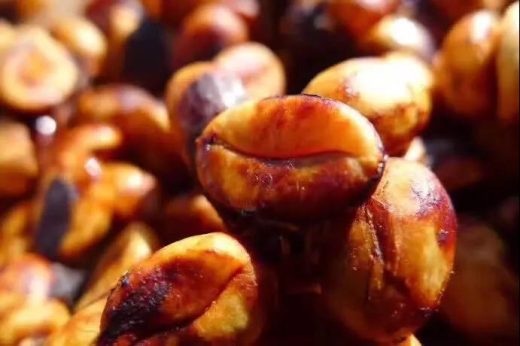
The estate currently focuses solely on producing specialty coffee with natural sun-dried processing. This method preserves the natural flavors of the coffee fruit to the greatest extent and is especially suited to highlighting bright fruit acidity and tropical fruit notes. Bale Mountain's natural coffee is often described as having passion fruit and guava aromas, along with a soft creamy texture; it is fresh on the palate with a long finish, making it ideal for pour-over or enjoying as a single-origin coffee.
From picking to the final product, every coffee cherry goes through a strict sorting and processing routine. First, the coffee cherries are hand-picked by local farmers, with only fully ripe fruit selected. Then, an initial manual sorting takes place at the washing station to remove unripe cherries and defective beans, ensuring that every cherry entering the subsequent steps meets high standards.
Next comes the key soaking and pre-classification stage. After picking, the coffee cherries are placed in water; healthy, plump cherries sink because of their higher density, while inferior, overripe or diseased fruit floats to the surface. This process effectively separates out high-quality fruit and improves the overall quality of the final coffee. The sorted cherries are then spread evenly on drying beds, ready for the sun-drying stage.
In the early stage of natural processing, workers hand-turn the coffee cherries several times a day to ensure even drying. Especially during the midday hours when the sun is strongest, the coffee layer is moderately shaded to prevent flavor damage from overexposure; at night, it must be covered again to keep dew or moisture from affecting the drying process. The entire sun-drying process usually lasts about 20 days, during which the thickness of the coffee cherries is also adjusted dynamically according to weather and temperature—initially spread only 3 to 4 centimeters deep, later accumulating to 6 to 10 centimeters.
Fermentation also plays an important role in natural sun-drying. Although it differs from washed fermentation, in natural processing the pulp and mucilage remain attached to the seed surface, and microbial activity continues. The degree of fermentation is greatly affected by local temperature and the thickness of the coffee pile; especially in high-altitude areas like Bale Mountain, lower temperatures slow fermentation, which favors the gradual accumulation and stable transformation of flavor compounds.
Ultimately, the green coffee beans—carefully managed and naturally dried over a long period—not only retain the rich fruit flavors contributed by the pulp but also develop full sweetness and a rich texture through slow dehydration. Whether used for pour-over or cold brew, this natural coffee from the Bale Mountain estate showcases distinct passion fruit and guava flavors along with a memorable, creamy-smooth mouthfeel.
For coffee lovers, understanding how such a specialty coffee is grown and processed not only helps improve tasting skills but also gives more direction when choosing coffee beans. If you prefer coffee with rich fruit aromas and bright acidity, try these natural beans from Ethiopia's Bale Mountain estate and experience the unique flavors born from a blend of nature's gift and craftsmanship.