Costa Rica Tarrazú Musician Beethoven Washed: High-Altitude Pour-Over Flavor Guide
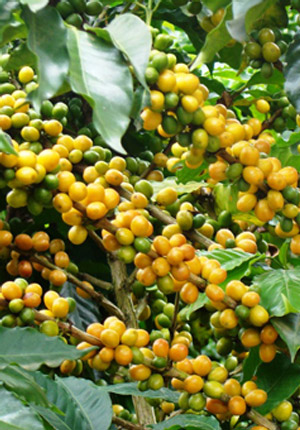
Introduction: An in-depth look at the flavor profile of Costa Rica's Canet Estate Musician Series Beethoven coffee. From the 1,980-meter high-altitude growing environment of the Tarrazú region to the unique processing of the Yellow Caturra variety, this guide shows how this washed coffee reveals layers of honey-apricot and creamy cocoa. It includes professional pour-over recommendations and a flavor wheel analysis to help you precisely capture the sweet balance of tropical fruit and noble rot wine.
The Canet Estate in Costa Rica's Tarrazú region sits on a volcanic slope at 1,980 meters—the altitude limit for coffee cultivation in the country. An average annual temperature of 20°C combined with 3,000 mm of annual rainfall and mineral-rich native red soil provides ideal growing conditions for the Yellow Caturra variety. The estate keeps only a very small plot for coffee and uses the rest of its land for high-value passion fruit; this misaligned planting pattern unexpectedly gives the coffee trees more growing space.
The Musician Series Beethoven uses a strictly selected washed process: fully ripe red coffee cherries are hand-picked, then a second sorting removes defective beans. What is special is the mucilage handling after pulping—a centrifugal washing machine efficiently removes the mucilage, reducing fermentation risk by 30% compared with traditional fermentation methods. After rinsing with clean water, the beans are dried for 12–14 days on shaded raised beds. Constant turning keeps moisture content stable at around 11%, and this process preserves floral and fruity notes to the greatest extent without producing off-fermentation flavors.
Key parameters worth noting: the SHB (Strictly Hard Bean) grade corresponds to selection on 14–17 mesh screens, and the Yellow Caturra variety inherits the wind and disease resistance of the Caturra line while developing a uniquely bright acidity. Its flavor expression is highly recognizable—the dry aroma presents a sweet, warm base of milk chocolate and maple sugar, mixed with dark berries and vanilla; after pouring, the wet aroma turns into mellow layers of hazelnut chocolate and honey, with fresh floral notes emerging.
When brewing, a V60 dripper with 92°C water and a 1:15 coffee-to-water ratio balances sweetness and acidity. A slightly coarser pour in the first stage, extracting the first third, highlights the freshness of green grape and citrus; a finer pour in the middle and later stages, extended to 2 minutes 10 seconds, develops the complex fruit notes of strawberry, melon and red pomegranate juice. Professional cupping shows a cleanliness score of 9.2/10, and the lingering creamy cocoa sweetness and kiwi flavor form a unique memory point.
For beginners, this bean has a wide flavor window: from the citric aroma of a light roast to the caramelized sweetness of a medium roast, both can be expressed. But be careful to avoid over-extraction, which would turn the apricot fruit notes toward woody tannins. Blending with a light-roast Kenya or Panama Geisha can strengthen the tropical fruit character; when drunk on its own, pairing with high-cocoa dark chocolate is recommended to enhance the flavor layers.


